 Uzm. Dr. Hasan Keleş
- September 30, 2026
- 3 min read
- Digestive System
- — reads
A child who is restless at night and keeps scratching around the bottom... Pinworms, also called threadworms, are the most common intestinal parasite in pre-school and school-age children. The medical name of this parasite is Enterobius vermicularis: a white, thread-like worm a few millimetres long. It spreads through close contact, not dirt, and is common in clean, well-cared-for families too. The good news is that it is easy to diagnose and, when managed correctly, does not cause a serious health problem.
How do pinworms live and spread?
Female worms leave the bowel at night and lay eggs on the skin around the anus. Within a few hours these eggs become infectious. As the child scratches, eggs settle on the fingers and under the nails, and from there they:
- are swallowed again via hands put in the mouth,
- pass onto toys, door handles, food and bedding,
- reach siblings and adults living in the same home.
According to the US Centers for Disease Control and Prevention (CDC), the eggs can survive on surfaces for up to 2-3 weeks. Unless the scratch-and-swallow cycle is broken, the infection keeps feeding itself. In children who bite their nails or suck their thumbs, this cycle continues more easily.
Pinworm symptoms
- Itching around the bottom that gets worse at night — the most typical symptom
- Difficulty falling asleep, frequent waking, restlessness and irritability during the day
- Itching and irritation of the genital area in girls
- Redness and scratch marks from scratching; sometimes a secondary skin infection
- White, thread-like worms seen in the stool or around the bottom at night
Some children have no symptoms at all. Pinworms are a rare cause of tummy pain; if the pain is marked or persistent, other causes should be looked for (see abdominal pain in children). The UK National Health Service (NHS) lists bed-wetting among the less common symptoms; even so, newly started bed-wetting should be assessed separately for other causes.
How is it diagnosed?
Because the eggs are laid around the anus rather than inside the bowel, they are often missed in a stool test. The most widely used method is therefore the tape test: in the morning, as soon as the child wakes and before using the toilet or washing, a piece of clear tape is pressed onto the skin around the anus, lifted off and examined under a microscope. A single test may miss the eggs; the doctor may ask for it to be repeated on several mornings. Worms can also be seen directly by shining a torch around the bottom 2-3 hours after the child falls asleep.
Treatment: why the whole family?
Once the diagnosis is made, treatment is planned by the doctor. The general approach in international guidelines is:
- Everyone living in the same home is treated at the same time — including those without symptoms. Otherwise the parasite keeps circulating in the family.
- Because worm medicines do not kill the eggs, treatment is usually repeated after two weeks.
- Medicine choice differs for children under two, in pregnancy and during breastfeeding; in these groups medicine is only used on a doctor's advice.
There is no reliable evidence that home remedies such as garlic or pumpkin seeds cure pinworms.
Hygiene measures that prevent reinfection
The NHS recommends continuing these measures for at least 2 weeks alongside medicine, or for 6 weeks if medicine cannot be used:
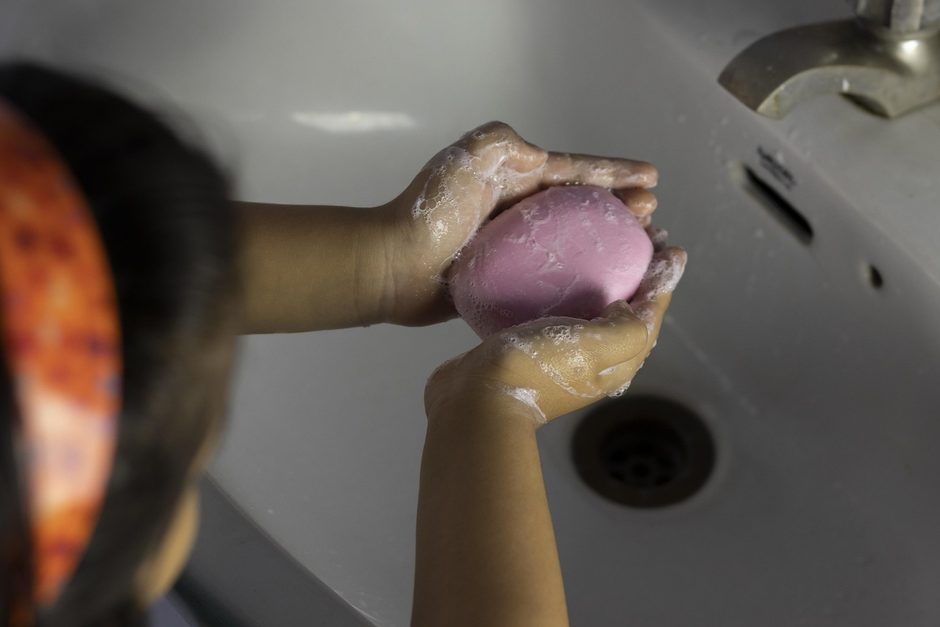
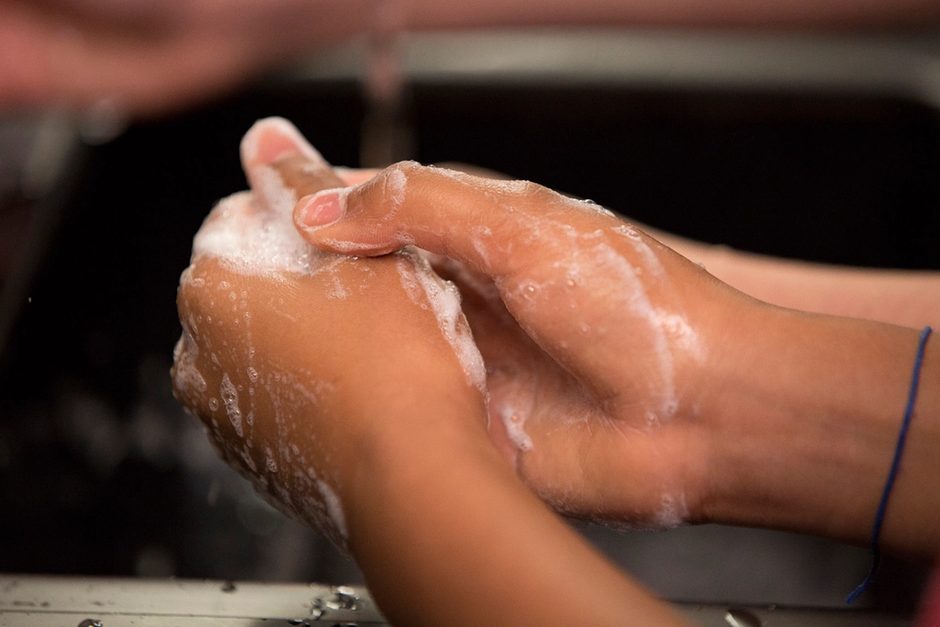
- Washing hands with soap and water after the toilet, after nappy changes and before eating, and scrubbing under the nails
- Keeping nails short; reducing nail-biting and thumb-sucking
- Wearing underwear at night and changing it in the morning; showering every morning
- Washing pyjamas, sheets, towels and soft toys on a hot cycle; not shaking out bedding
- Not sharing towels or face cloths
- Cleaning bathroom and kitchen surfaces with hot water and dusting with a damp cloth
When should you see a doctor?
Children with bottom itching and broken sleep, those whose complaints continue despite treatment, whose scratch wounds become infected, or girls who develop a genital discharge should be examined. If weight gain has stalled, growth is also checked as part of well-child check-ups. If your child has symptoms, you can book an appointment at Özel Düztepe Yaşam Hospital in Şahinbey.
Frequently Asked Questions
The invisible eggs of pinworms pass onto scratching fingers, under the nails, onto underwear, bedding and toys, and are swallowed when hands go to the mouth. Because the eggs can survive on surfaces for up to 2-3 weeks, they spread easily to everyone living in the same home.
Because eggs are swallowed again and again through scratching, the infection can keep itself going. That is why, once the diagnosis is made, the medicine recommended by the doctor and careful hygiene measures are used together.
No. Pinworms spread only from person to person; cats and dogs do not carry this parasite. There is therefore no need to keep pets away.
Usually yes; there is no need to keep them off school or nursery. What matters is handwashing after the toilet and before meals, keeping nails short and treating the household together.
Worm medicines kill adult worms but do not work on the eggs. To target worms that hatch after the first dose, treatment is usually repeated two weeks later. The medicine, dose and duration are decided by the doctor according to the child's age and weight.
📅 Book an appointment for your child's health
Book an online appointment with Specialist Dr. Hasan Keleş in Gaziantep — instant confirmation.
Book an Appointment Online