 Uzm. Dr. Hasan Keleş
- April 21, 2026
- 2 min read
- Respiratory and Allergy
- — reads
A child with a constantly runny nose, a nighttime cough, itchy skin or who becomes restless after certain foods often prompts the question "is he sick again?" in many families. Yet these complaints frequently have an underlying allergy. Recognizing allergy symptoms early prevents unnecessary antibiotic use and protects the child's sleep, school performance and daily life.
Allergy Symptoms by System
Allergy is not limited to a single area; it gives clues in different systems of the body:
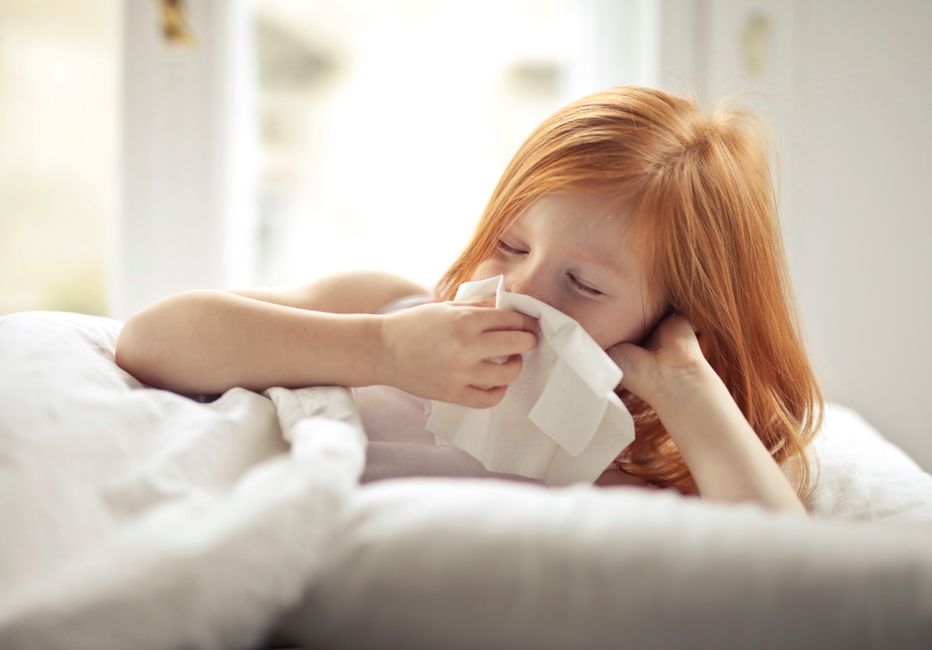
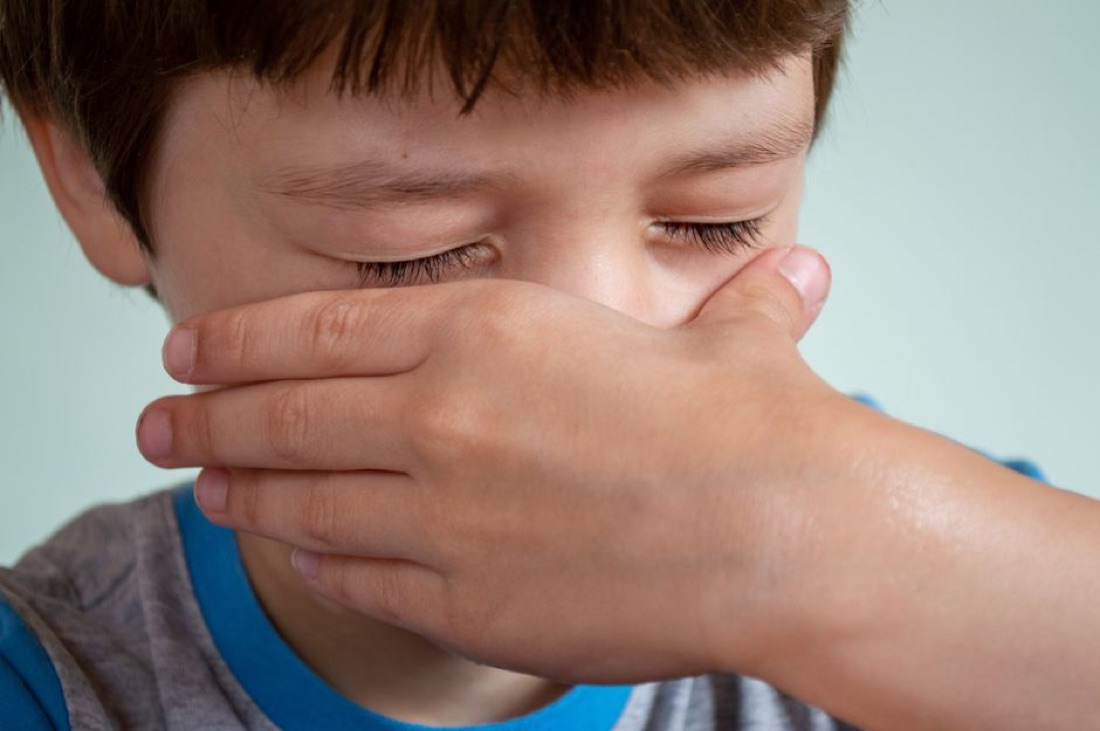
- Nose and eyes: Constant sneezing, nasal itching and congestion, clear discharge, itching and watering of the eyes. The child frequently sniffs upward or wipes with the palm of the hand (the "allergic salute").
- Respiratory: Dry cough that increases at night and toward morning, shortness of breath on exertion, wheezing (a whistling sound). For details you can look at our articles on asthma in children and recurrent wheezing.
- Skin: Dry, itchy, red patches; especially on the cheeks, elbows and behind the knees atopic dermatitis (eczema) or sudden itchy welts (urticaria).
- Digestion: Vomiting, diarrhea, bloody-mucousy stools or restlessness after certain foods; cow's milk allergy, which is common in infants, is a typical example.
Infection or Allergy?
This is the distinction that troubles families the most. The following clues point to an allergy:
- Complaints run their course without fever and last for weeks.
- The discharge is clear and itching is prominent.
- They become more pronounced in certain settings or seasons (spring, dust, house dust, pets).
- There is a family history of allergy, asthma or eczema.
When to See a Doctor?
- Cough, runny nose or itching that lasts for weeks and recurs
- A cough or shortness of breath that disrupts sleep at night
- Lip-face swelling, vomiting or rash after a specific food
- Persistent, itchy dryness of the skin
Difficulty breathing, inability to swallow, widespread swelling (angioedema) or a change in consciousness are signs of a severe allergic reaction (anaphylaxis) and are an emergency.
Our Approach to Diagnosis
The most valuable tool in allergy is a detailed history: we evaluate together when and with what the complaint appears. When needed, allergy tests selected according to the history are planned; we avoid unnecessary and broad test panels. With the pediatric allergy assessment we offer in our clinic, triggers are identified and a personalized plan is created. Our article on the atopic march provides guidance on the course of allergy in the years ahead.
📅 Make an appointment for a pediatric allergy assessment
This content is for informational purposes; please consult your physician for diagnosis and treatment. — Uzm. Dr. Hasan Keleş

📺 Related Video
Does Mould at Home Affect a Child's Health?
Instagram video by Specialist Dr. Hasan Keleş. Click to play.
Watch on Instagram →Frequently Asked Questions
A picture that starts with fever and clears up within 7-10 days with yellow-green discharge is usually an infection. Complaints without fever that last for weeks, are itchy, have clear discharge and worsen in certain settings point to an allergy.
No. A test is meaningful only in cases selected according to the history. A detailed assessment is done first; instead of unnecessary testing, we ask the right questions.
In infancy they often appear as eczema and food allergy; at older ages they show up as allergic rhinitis and asthma. This sequential progression is called the 'atopic march'.
📅 Book an appointment for your child's health
Book an online appointment with Specialist Dr. Hasan Keleş in Gaziantep — instant confirmation.
Book an Appointment Online