Summarise with AI
- Uzm. Dr. Hasan Keleş
- October 27, 2026
- 3 min read
- Skin Health
- — reads
When the weather turns cold and radiators and stoves are switched on, babies' skin becomes rough, with dryness and flaking on the cheeks, hands and legs. Because a baby's skin is thinner than an adult's, it loses moisture more easily. Dry skin usually improves with simple changes in care, but it can sometimes be the first sign of eczema. In this article we summarise what can be done to protect the skin in winter and when an examination is needed.
Why does a baby's skin dry out in winter?
- Cold outdoor air and wind weaken the protective layer of oil on the surface of the skin.
- Dry air in heated rooms draws moisture out of the skin; radiators and stoves increase this effect.
- Long, hot baths and foaming or scented products strip the skin's natural oils.
- Thick, synthetic or woollen clothes and overdressing lead to sweating and irritation.
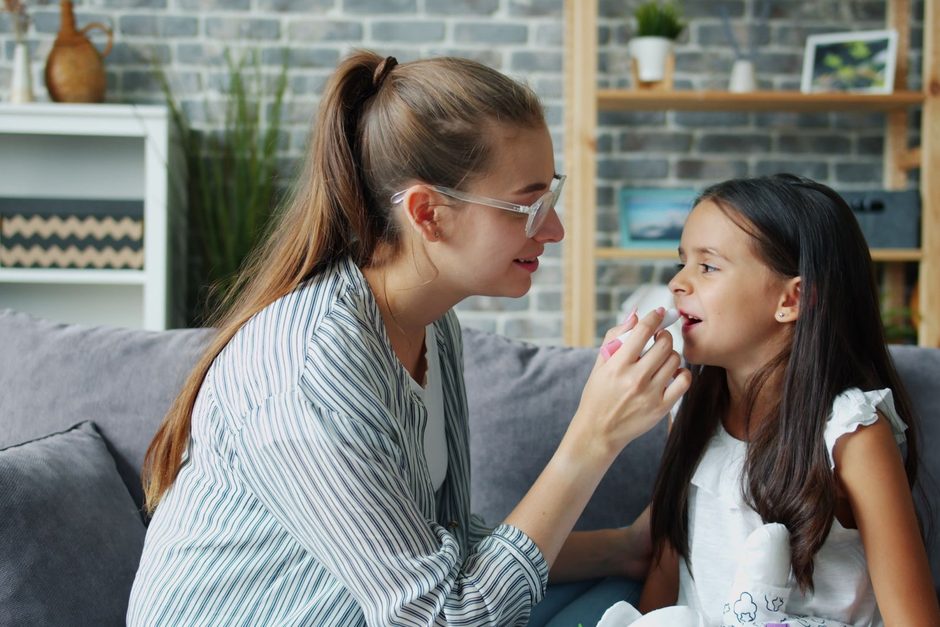
The face, the area around the mouth and the hands are affected first. Dribble, food and frequent wiping irritate the skin around the mouth. Instead of wiping these areas often with scented wet wipes, wiping them with a soft cloth moistened with lukewarm water and patting dry gently is kinder to the skin. For dry and cracked lips, see our article on chapped lips.
Is peeling normal in newborns?
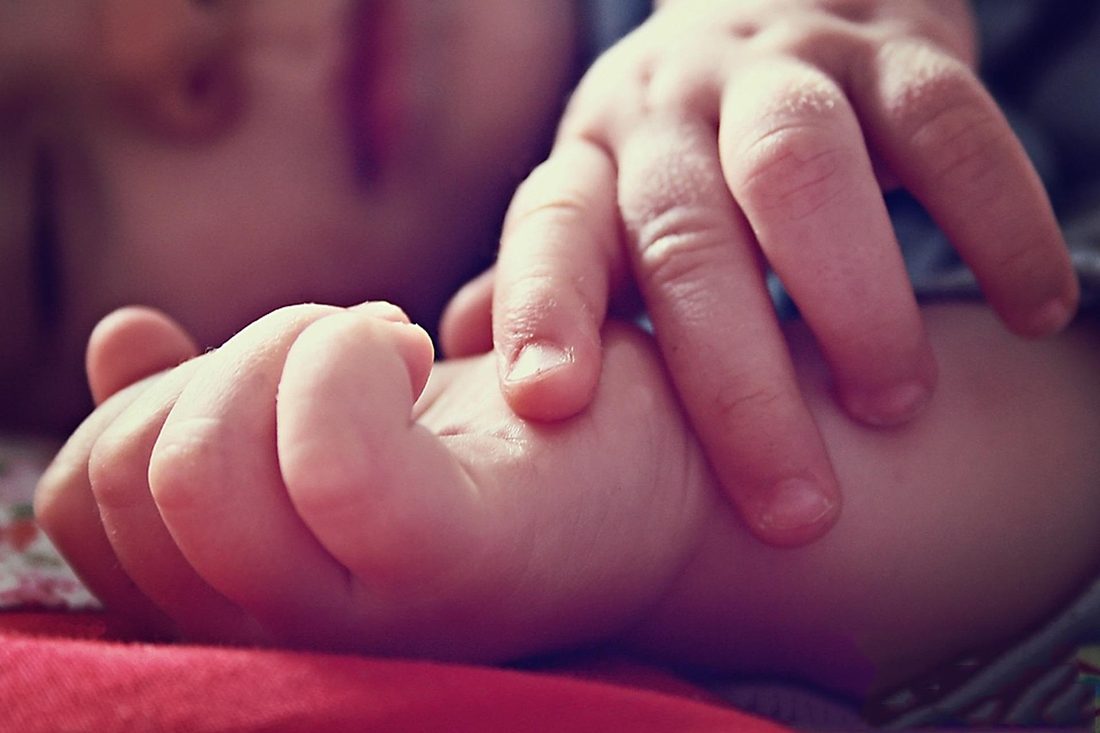
In the first weeks after birth the top layer of skin often flakes off, especially on the hands and feet. According to information from NHS organisations in the UK, this top layer comes away within a few days, leaving healthy skin underneath. During this time they advise not putting creams or lotions on dry or cracked skin and using plain water only in the bath. After the first month, a small amount of fragrance-free moisturiser can be applied to dry areas if needed.
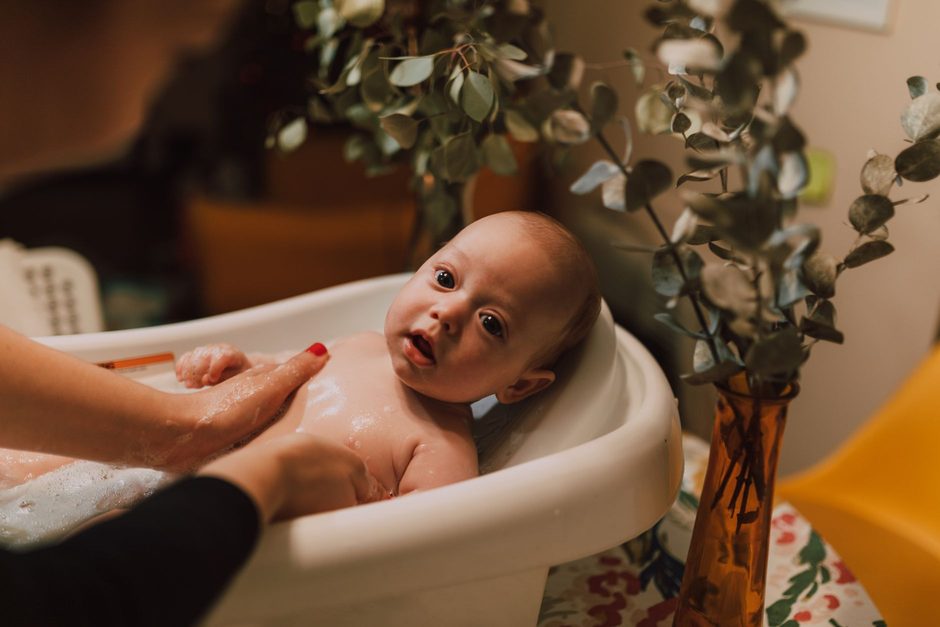
How should bath time be?
The American Academy of Pediatrics (AAP) recommends the following against dry winter skin:
- Keep the bath shorter than 10 minutes, with lukewarm rather than hot water.
- Avoid bubble baths and scented soaps; any cleanser you use should be fragrance-free and suitable for sensitive skin.
- After the bath, pat the skin dry with a soft cotton towel without rubbing.
A baby does not need a bath every day. For bath frequency and the first bath, see our article on bathing a baby.
Moisturising
According to the AAP, a moisturiser locks in moisture better when applied straight after the bath while the skin is still slightly damp, and using it at least twice a day, even when the skin is not irritated, reduces dryness and itching. Ointments contain the most oil and protect best; creams also hold in moisture well; lotions are more watery and may not be enough for very dry skin. Use a small amount and choose products without fragrance, dyes or alcohol. You can ask the doctor who follows your baby which product is suitable.
Clothing, laundry and room air
- Choose cotton for clothes that touch the skin; wash new clothes before the baby wears them.
- Use a detergent free of fragrance and dyes; avoid fabric softeners and dryer sheets.
- Do not overdress the baby; sweating makes itching worse. For a suitable room temperature, see what temperature should a baby's room be.
- The AAP recommends keeping indoor humidity at around 40 per cent. A cool-mist room humidifier can be used if needed; clean it regularly and keep it out of the baby's reach.
Dry skin or eczema?
Dry skin feels rough and looks dull; itching is mild and it improves with care. Eczema (atopic dermatitis) brings intense itching and red, scaly patches; in babies the cheeks, scalp and the outer sides of the arms and legs are often affected, and symptoms flare up and settle down. For details, read our article on atopic dermatitis (eczema).
When to see a doctor
- If dryness and itching continue despite the changes in care (AAP)
- If there are red, scaly, itchy patches that keep the baby awake
- If there are deep cracks, bleeding, weeping, yellow crusts or fever (possible signs of infection)
- If there are greasy, yellow scales on the scalp (cradle cap)
- If the redness is concentrated in the nappy area (nappy rash)
In the newborn and infant period, skin, feeding and growth are assessed together; see our newborn follow-up page. You can book an appointment at Özel Düztepe Yaşam Hospital in Şahinbey, Gaziantep.
Frequently Asked Questions
Yes. In the first weeks after birth the top layer of skin often flakes off, leaving healthy skin underneath. NHS organisations in the UK advise not putting creams or lotions on dry or cracked skin during this time and using plain water only in the bath for the first month. If cracks bleed or there is redness, ask your doctor.
Choose a moisturiser suitable for babies that is free of fragrance, dyes and alcohol. According to the American Academy of Pediatrics (AAP), ointments contain the most oil and protect best; creams also hold in moisture well, while lotions are thinner and lighter. On very dry areas an ointment or cream is preferred.
Dry skin feels rough and looks dull, and itching is mild. Eczema (atopic dermatitis) causes itchy, red, scaly patches; in babies the cheeks, scalp and the outer sides of the arms and legs are often affected, in older children the creases of the elbows and knees, and it flares up and settles down. The doctor tells them apart by examining the child.
A baby does not need a bath every day. When bathing, keep it short; the AAP recommends less than 10 minutes in lukewarm water. After the bath, pat the skin dry without rubbing.
In homes heated by radiators and stoves it can help if the air is very dry. The AAP recommends keeping indoor humidity at around 40 per cent and using a cool-mist humidifier for the room. Clean the device regularly as the manufacturer advises and keep it out of the baby's reach.
📅 Book an appointment for your child's health
Book an online appointment with Specialist Dr. Hasan Keleş in Gaziantep — instant confirmation.
Book an Appointment Online