






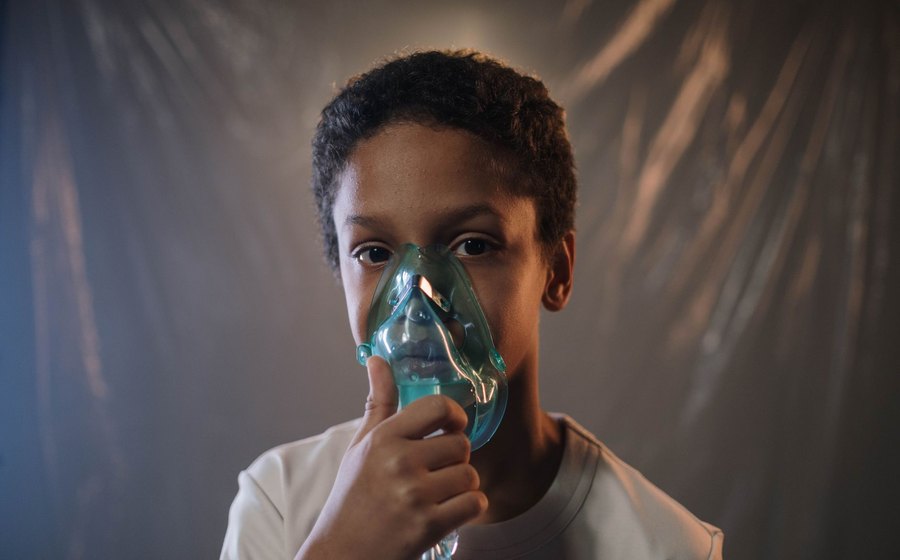
Allergic diseases are an increasingly common health problem among today's children. Recurrent coughing, a runny nose, itchy skin rashes or reactions to certain foods can reduce a child's quality of life. With an accurate diagnosis and a personalized management plan, these complaints can largely be brought under control. In Şahinbey, Gaziantep, we assess childhood allergies with a holistic approach.
Why Are Allergies Important in Children?
Allergy is not a single disease but a set of interrelated conditions (the atopic march): a process that begins with eczema in infancy may later progress to food allergy, allergic rhinitis and asthma. Early and accurate management reduces the severity of this chain and protects the child's school performance, sleep and daily life.
Main Conditions We Assess
Allergic Asthma and Recurrent Wheezing
A cough that worsens at night, shortness of breath brought on by exertion and wheezing attacks are the typical signs of asthma. By identifying the triggers and using the right medication and breathing technique, attacks can largely be prevented. Related guides: Asthma in Children • Allergic Asthma • Recurrent Wheezing Attacks.
Allergic Rhinitis (Hay Fever)
Constant sneezing, an itchy nose and a runny nose; it becomes especially pronounced during seasonal periods. If left untreated, it can lead to sleep and attention problems. Related: Allergic Rhinitis (Hay Fever).
Atopic Dermatitis (Eczema)
Dry, itchy, reddened skin; it is the most common allergic finding of infancy. With the right skin care and moisturizing plan, flare-ups are reduced. Related: Atopic Dermatitis (Eczema).
Food Allergies
Cow's milk protein allergy and egg and nut allergies are common. In diagnosis, elimination and a controlled challenge are essential; we avoid unnecessary and prolonged dietary restrictions. Related guides: Cow's Milk Allergy • Food Allergy.
Urticaria (Hives)
Sudden, itchy, raised rashes. They are most often temporary; finding the trigger is the key to management. Related: Urticaria (Hives).
Our Diagnostic Process
- Detailed history: The timing of the complaint, triggers and family history.
- Physical examination: Skin, airways and a general assessment.
- Testing when needed: Allergy tests selected according to the history, with interpretation of the results.
- Personalized plan: Medication, environmental measures, a skin/nutrition plan and follow-up.
Practical Advice for Families
- Note down when and with what the complaint appears; this makes it easier for us to find the trigger.
- Moisturize regularly to prevent dry skin.
- Avoid unnecessary strict diets found on the internet; food restriction should only be done on a doctor's recommendation.
Related guides: Asthma in Children • Atopic Dermatitis • Cow's Milk Allergy
Frequently Asked Questions
Bloody/mucousy stools, vomiting, widespread eczema on the skin, irritability and failure to gain weight are important clues; the diagnosis is made through clinical evaluation and an elimination-challenge approach.
A cough that worsens especially at night, is triggered by exertion and is accompanied by wheezing suggests asthma. We make the distinction through examination together with the necessary tests.
No. Testing is meaningful only in selected cases based on the medical history. Rather than unnecessary testing, we first carry out a detailed assessment.
📅 Book an appointment for your child's health
Book an online appointment with Specialist Dr. Hasan Keleş in Gaziantep — instant confirmation.
Book an Appointment Online