 Uzm. Dr. Hasan Keleş
- May 19, 2026
- 2 min read
- Rash Diseases
- — reads
A food allergy is an abnormal reaction of the immune system to a specific food. It occurs in approximately 5–8% of children; the most common triggers are cow's milk, eggs, peanuts and tree nuts, wheat, soy, fish, and shellfish.
Symptoms
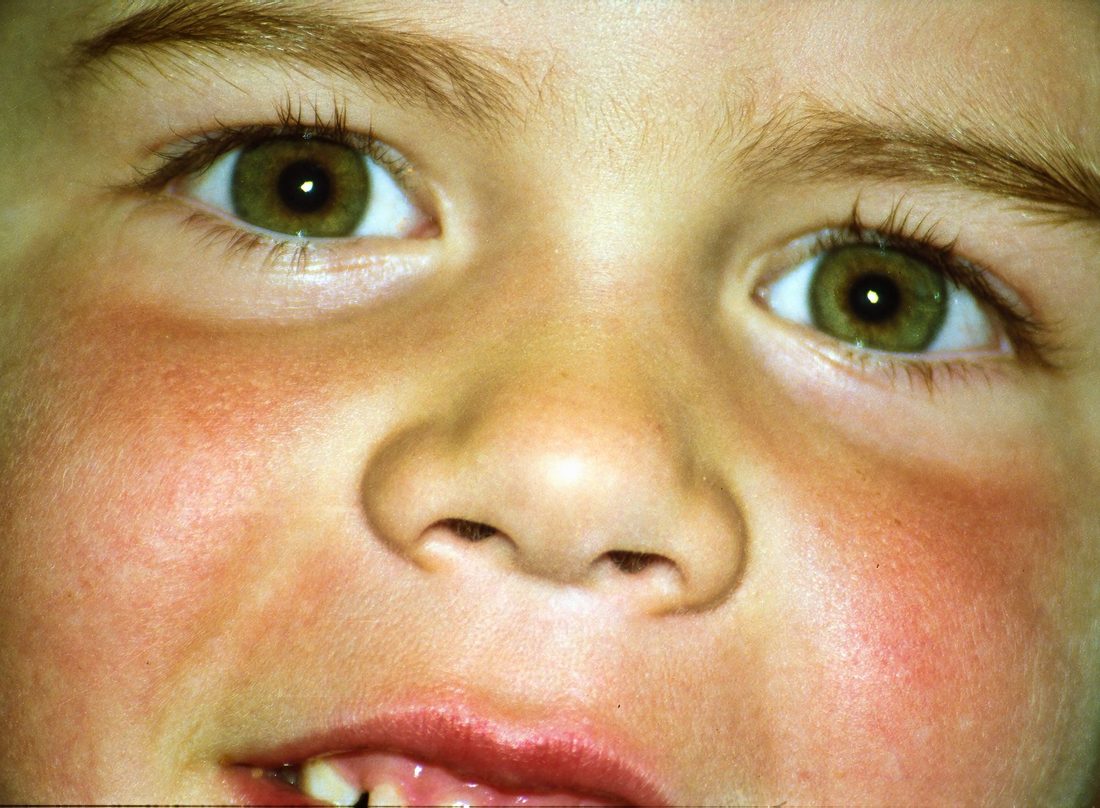
- Skin: Hives (urticaria), swelling of the lips and face, flare-ups of eczema
- Digestive: Vomiting, diarrhea, abdominal pain, bloody and mucousy stools (typical in cow's milk allergy in babies)
- Respiratory: Sneezing, runny nose, wheezing
- Anaphylaxis: A severe, rapidly developing reaction involving more than one system — this is an emergency
Symptoms may appear within minutes of eating the food (IgE-mediated) or hours to days later (non-IgE).
Diagnosis
The cornerstone of diagnosis is a detailed history; skin tests and blood tests (specific IgE) support the history. At our clinic, an allergy evaluation is carried out. Diagnosis cannot be made with unproven methods (hair analysis, IgG panels); unnecessary dietary restrictions impair a child's growth.
Management
- Elimination of the offending food — the habit of reading labels should be developed
- In children at risk of anaphylaxis, carrying an adrenaline auto-injector and informing the school
- Regular follow-up: The majority of milk and egg allergies resolve on their own by school age; the development of tolerance is tested in a controlled manner

📺 Related Video
What Is Allergy in Children?
Instagram video by Specialist Dr. Hasan Keleş. Click to play.
Watch on Instagram →Frequently Asked Questions
No; current evidence shows that **introducing foods such as egg and peanut appropriately early** can reduce allergy. In high-risk babies, the plan should be made with a doctor.
📅 Book an appointment for your child's health
Book an online appointment with Specialist Dr. Hasan Keleş in Gaziantep — instant confirmation.
Book an Appointment Online