 Uzm. Dr. Hasan Keleş
- May 25, 2026
- 2 min read
- Rash Diseases
- — reads
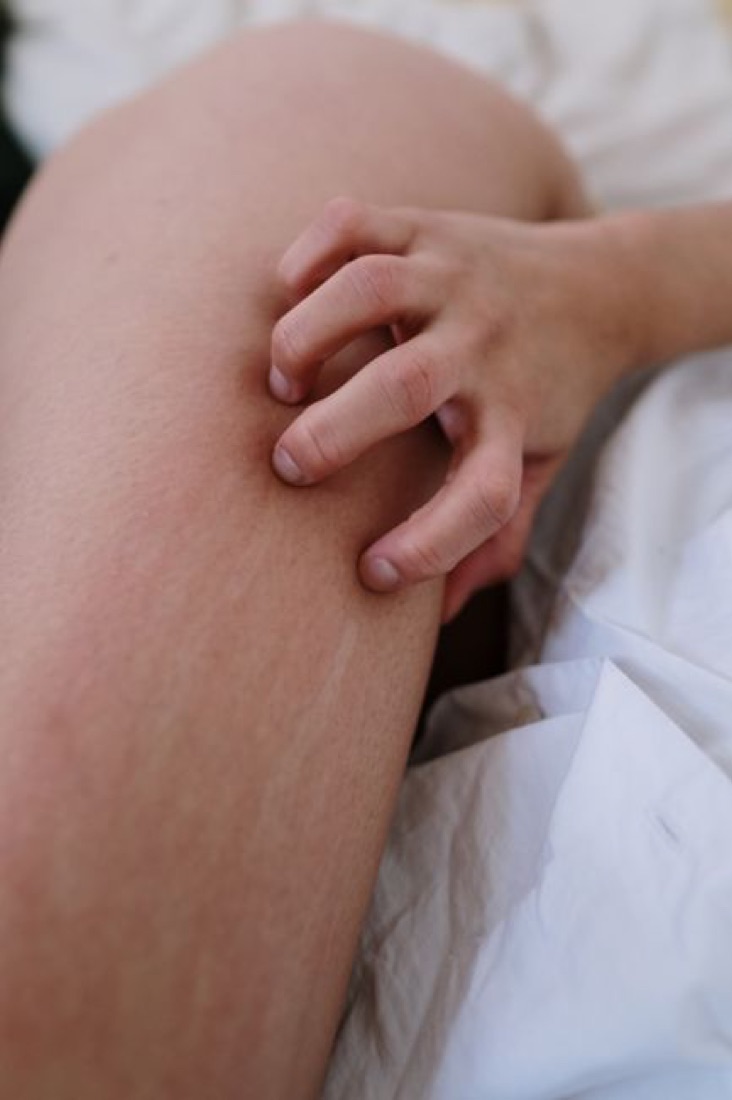
Urticaria consists of itchy, raised, migrating plaques that appear suddenly on the skin, resembling a mosquito bite or contact with stinging nettle. Individual lesions change location or fade within 24 hours — this is the distinguishing feature of urticaria. About 15–20% of children experience hives at least once in their lives.
Causes
- Infections: The most common cause of acute urticaria in children is viral infections (not food allergy!)
- Foods (egg, milk, nuts and peanuts, seafood) and medications (especially antibiotics)
- Insect stings
- Physical triggers: cold, heat, pressure, sweating
- In chronic urticaria lasting longer than 6 weeks, an obvious cause often cannot be found
Treatment
The mainstay of treatment is age-appropriate antihistamines; regular use on a doctor's advice suppresses itching and the formation of new plaques. Hot showers, woolen clothing, and scratching should be avoided. If a triggering food/medication is suspected, it is stopped and an allergy evaluation is planned.
When Is It an Emergency?
If the rash is accompanied by swelling of the lips, tongue, or eyelids, hoarseness, shortness of breath, vomiting, or fainting, this may be anaphylaxis — go to the emergency department immediately.
📅 Online appointment for your child: Uzm. Dr. Hasan Keleş — appointment page
Related articles: Food allergy · Atopic dermatitis · Pediatric allergy service
This article is for general information purposes only and does not replace diagnosis and treatment. For any concerns about your child's health, be sure to consult a pediatric specialist.
Uzm. Dr. Hasan Keleş — Specialist in Pediatric Health and Diseases, Gaziantep
Frequently Asked Questions
No; however, the underlying viral infection may be contagious.
No; it is not necessary for a one-time, infection-related episode of urticaria. Testing is performed in recurrent cases, those with a clear link to food, or chronic cases.
📅 Book an appointment for your child's health
Book an online appointment with Specialist Dr. Hasan Keleş in Gaziantep — instant confirmation.
Book an Appointment Online