Summarise with AI
- Uzm. Dr. Hasan Keleş
- October 29, 2026
- 3 min read
- Vaccines
- — reads
The pneumococcal conjugate vaccine (PCV), often called the "pneumonia vaccine" in Turkey, is one of the routine vaccines given in infancy. As respiratory infections increase in winter, parents more often ask when it is given, how many doses there are and what it protects against. In this article we summarise its place in the schedule, its side effects and the situations it does not protect against.
What is pneumococcus and what illnesses does it cause?
Pneumococcus (Streptococcus pneumoniae) is a bacterium that many children carry in the nose and throat without becoming ill. Sometimes it spreads in the body and causes serious illness:
- Pneumonia: the World Health Organization (WHO) describes pneumococcus as the most common bacterial cause of pneumonia in children. For details, see our article on pneumonia in children.
- Meningitis: inflammation of the membranes around the brain; the PCV and Hib vaccines protect against two important causes of bacterial meningitis (meningitis).
- Middle ear infection and sinusitis: pneumococcus is a common cause of ear infections in children (middle ear infection).
- Bloodstream infections: these can be severe, especially in young babies and in some children with chronic illnesses.
The WHO identifies pneumonia as the single largest infectious cause of death in children worldwide and lists the pneumococcal, Hib, measles and whooping cough vaccines among the most effective ways to prevent it.
PCV in the schedule: how many doses and when?
| Time | PCV dose |
|---|---|
| End of the 2nd month | 1st dose |
| End of the 4th month | 2nd dose |
| End of the 12th month | Booster dose |
PCV can be given at the same visit as other vaccines in the schedule, for example the 6-in-1 combined vaccine. To see all vaccines month by month, read our article on the 2026 Turkey vaccination schedule. Vaccines in the schedule are given at family health centres.
How and where is it given?
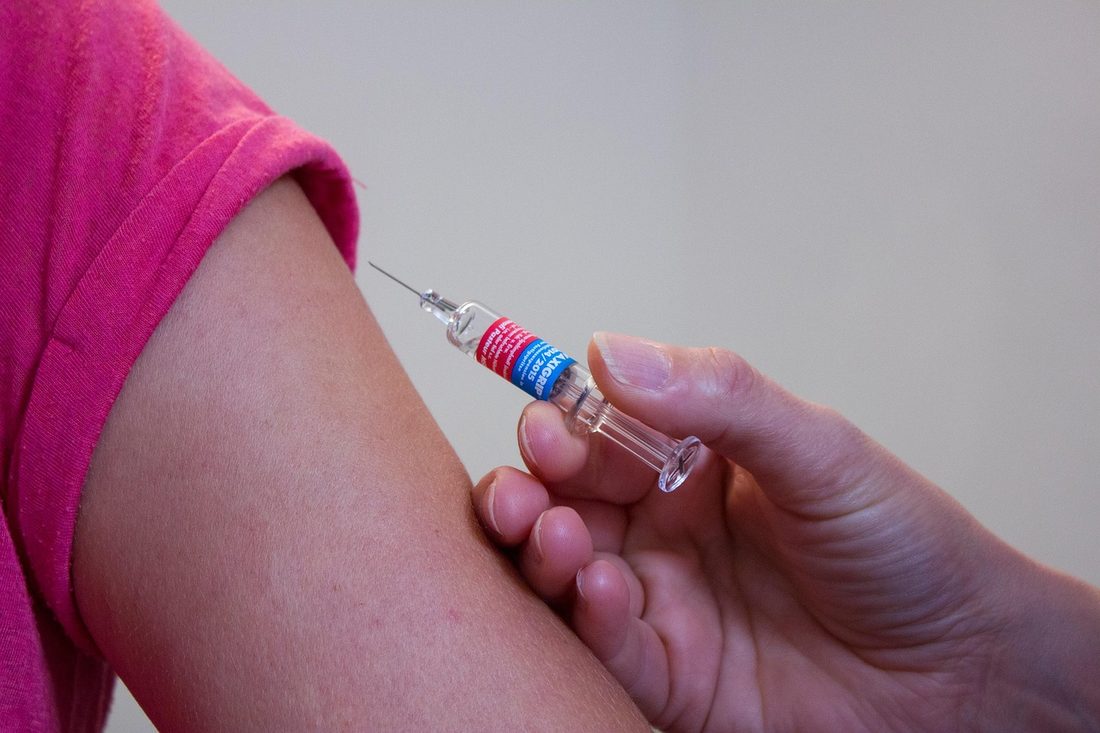
PCV is given as an injection into the muscle. In babies it is usually given in the front-outer part of the thigh, and in older children in the upper arm. It contains no live germs, so the vaccine cannot give a child pneumococcal disease. Holding, breastfeeding or talking soothingly to the baby during and right after the injection can shorten the crying. Remember to have the date and name of the vaccine recorded on the vaccination card and bring the card to later visits.
Side effects
The most common complaints after the vaccine are:
- Pain, redness and swelling where the injection was given
- Mild fever
- Fussiness, loss of appetite, sleepiness
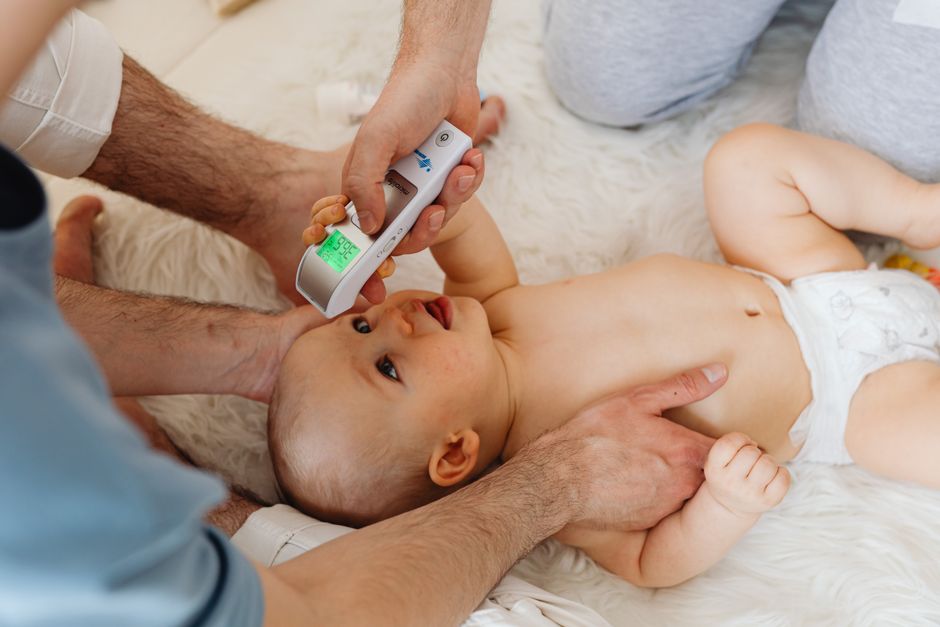
With non-live vaccines, complaints usually begin within the first 6–24 hours and pass within 1–2 days. We explain how to monitor fever and which reactions are expected in our article on fever and side effects after vaccination. Signs of a severe allergic reaction, such as difficulty breathing, swelling of the face or lips or widespread hives, are very rare; if they appear, call 112 without waiting.
Can the vaccine be postponed?
A mild cold or runny nose is usually not a reason to delay the vaccine. During a moderate or severe illness the doctor may postpone it until the child has recovered. If a severe allergic reaction occurred after a previous dose, this must be reported before vaccination. When doses are missed, the schedule is not restarted; the missing doses are completed according to the doctor's plan.
Who may need extra pneumococcal vaccines?
In some children with chronic heart, lung or kidney disease, a spleen that does not work or a weakened immune system, pneumococcal disease can be more severe. These children may need extra pneumococcal vaccines in addition to the scheduled doses. The plan is made by the doctor who follows your child.
What the vaccine does not protect against
PCV protects against the types of pneumococcus in the vaccine; it does not prevent pneumonia caused by viruses such as RSV, flu and HMPV. Other ways of protection therefore matter too:
- Ask your doctor about the seasonal flu vaccine.
- Exclusive breastfeeding for the first 6 months strengthens the child's defences, as the WHO also emphasises.
- Nobody should smoke at home; the WHO lists indoor smoke from solid fuels used for heating among the factors that raise the risk of pneumonia. Air rooms heated by a stove regularly.
- Frequent handwashing and avoiding close contact with sick people reduce spread.
To have missing doses on your vaccination card checked, or for questions about the schedule, see our childhood vaccinations page. You can book an appointment at Özel Düztepe Yaşam Hospital in Şahinbey, Gaziantep.
Frequently Asked Questions
In Turkey's national immunisation schedule, the pneumococcal conjugate vaccine (PCV) is given as one dose at the end of the 2nd month and one at the end of the 4th month, with a booster dose at the end of the 12th month. Vaccines in the schedule are given at family health centres.
No. PCV is an inactivated vaccine that contains no live germs; it cannot give a child pneumococcal disease. It can therefore be given on the same day as the other vaccines in the schedule.
The most common are pain, redness and swelling where the injection was given, mild fever, fussiness, loss of appetite and sleepiness. These usually start within the first 24 hours and pass in 1–2 days. Signs of a severe allergic reaction, such as difficulty breathing or swelling of the face or lips, are very rare and need emergency care.
The schedule is not restarted from the beginning. Missed doses are completed according to a plan made by the doctor based on the child's age. Take the vaccination card to your family doctor or paediatrician.
Yes. PCV protects against the types of pneumococcus included in the vaccine, the most common bacterial cause of pneumonia. It does not prevent pneumonia caused by viruses such as RSV, flu and HMPV, or by other bacteria. Even so, it gives important protection against severe pneumococcal disease.
📅 Book an appointment for your child's health
Book an online appointment with Specialist Dr. Hasan Keleş in Gaziantep — instant confirmation.
Book an Appointment Online