Summarise with AI
- Uzm. Dr. Hasan Keleş
- November 6, 2026
- 3 min read
- Safety and First Aid
- — reads
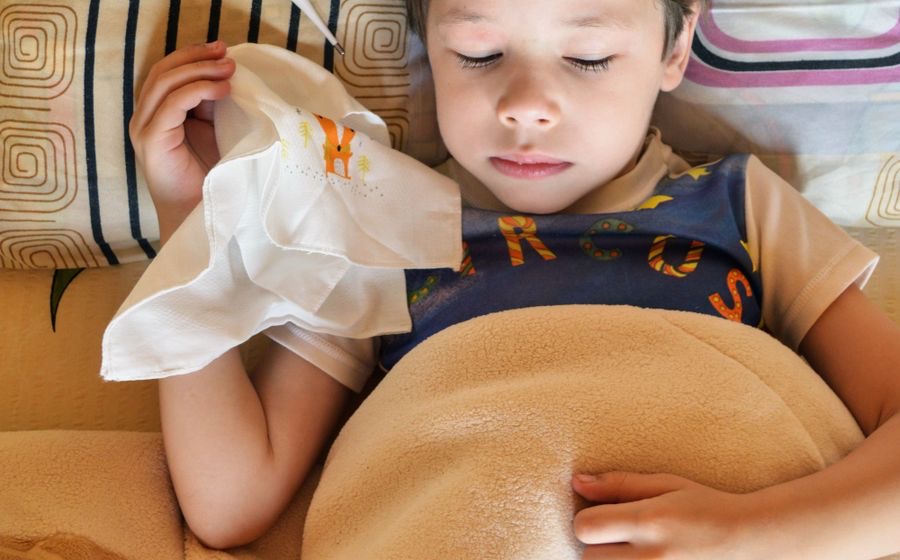
In winter, when radiators and stoves are on, the air at home becomes dry; many families with a baby who has a blocked nose or wakes at night coughing think about buying a humidifier. The right device used in the right way can bring relief, but a poorly chosen or uncleaned device can do a baby more harm than good. In this article we explain what a humidifier does, the difference between cool mist and warm steam, using it while the baby sleeps, cleaning and the safety rules.
What does a humidifier do?
According to information from the Children's Hospital of Philadelphia (CHOP), moisture in the air can help ease a blocked nose, a sore throat and a cough. This effect only relieves symptoms: a humidifier does not cure a cold or the flu. The main way to clear a blocked nose is nose care with saline drops. Dry air also dries out the lips and the skin; we cover this in our article on dry skin in babies.
Cool mist or warm steam?
In Turkey the word "buhar makinesi" (steam machine) is used for two different kinds of device:
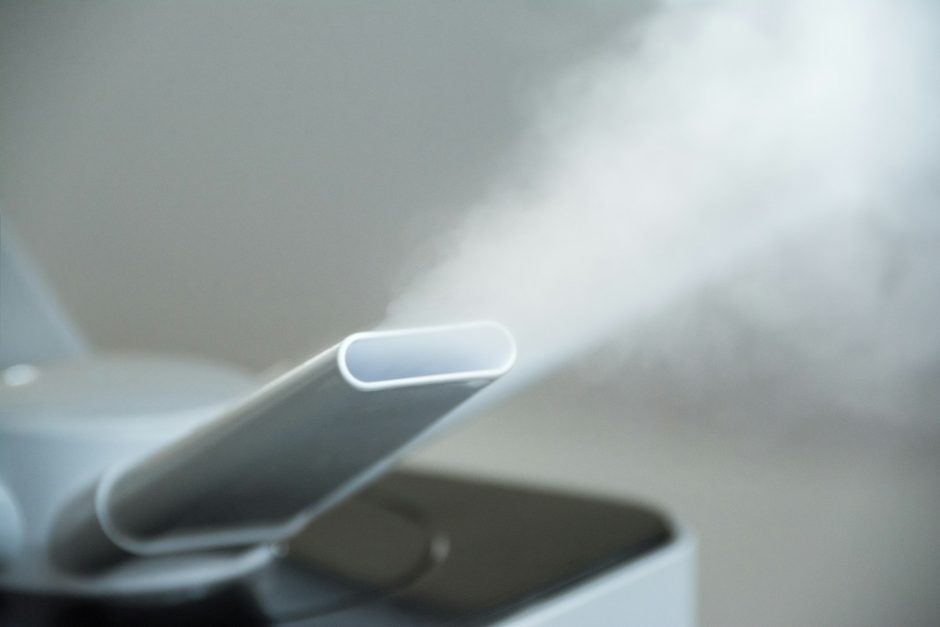
- Cool mist (ultrasonic, impeller, evaporative): Releases water into the air as a fine mist or by evaporating it from a wet wick, without heating it. If not cleaned, germs and minerals from the tank get into the air.
- Warm steam (steam vaporiser): Boils water to produce steam. Steam and boiling water can cause burns.
CHOP states that the American Academy of Pediatrics (AAP) recommends a cool mist humidifier for children; devices that give off hot steam can cause burns if a child gets close to the steam. According to the US Environmental Protection Agency (EPA), ultrasonic and impeller cool mist devices are the types that release the most germs and minerals into the air. In short, a cool mist device is preferred in a baby's room, but it is safe only if it is cleaned regularly. For first aid in burns, see our article on burns in children.
How humid should the room be?
The EPA advises that indoor relative humidity should not go above 50 per cent. Instead of guessing, measure the humidity with an inexpensive hygrometer. If condensation or droplets form on windows and walls, the humidity is too high; turn the setting down, move the device or run it for shorter periods. CHOP points out that a device that is too large for the room can cause condensation, which in turn can lead to mould and bacterial growth. For the right room temperature and dressing a baby in winter, read our article on baby room temperature.
Cleaning and choice of water
- Every day: Unplug the device, empty the tank, dry it and refill it with fresh water (EPA).
- Every third day: Clean off scale and slimy film in the tank; if you used a disinfectant, rinse with plenty of water (EPA).
- Water: Prefer distilled water. Minerals in tap water cause scale and can leave a white dust on furniture; spring water and mineral water are not demineralised (EPA).
- At the end of the season: Clean the device and let it dry completely before putting it away (CHOP).
Safe use rules
- Place the device about 1 metre away from the cot or bed (CHOP).
- Choose a flat surface where it cannot tip over; keep the cable out of the baby's reach.
- Choose a model that switches off automatically when the water runs out (CHOP).
- Do not let carpets, curtains or bedding get wet (EPA).
- Unless the manufacturer specifically allows it, do not add medicine, essential oils or cologne to the water; as we also note in our article on RSV and bronchiolitis, adding medicine to a humidifier is not recommended.
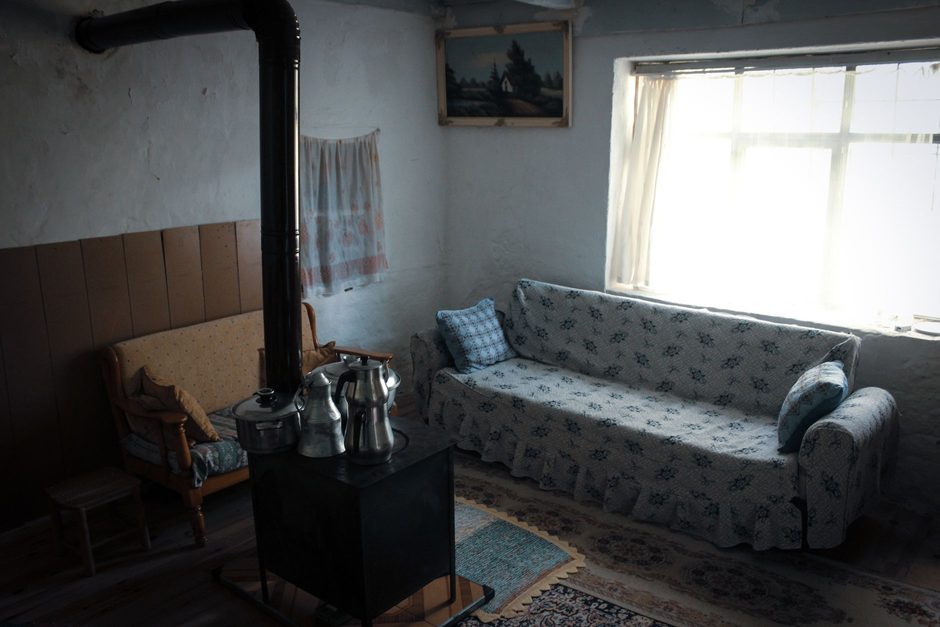
- Do not forget the safety of the stove that heats the room: the rules are in our article on carbon monoxide poisoning.
When to see a doctor
The EPA advises stopping use of the device and consulting a doctor if breathing complaints seem to be linked to the humidifier. A humidifier will not make fast or laboured breathing, wheezing or a high fever go away. For a barking cough that starts at night, see our article on croup; for a lingering cough, our article on night cough can help. If the skin pulls in below the ribs, the lips turn blue or a baby younger than 3 months has a fever, call 112 or go to the emergency department without waiting. In other cases, you can book an appointment at Özel Düztepe Yaşam Hospital in Şahinbey, Gaziantep.
Frequently Asked Questions
In a room dried out by central heating or a stove, moisture can ease a blocked nose, a sore throat and a cough to some extent. However, a humidifier does not treat the illness and does not replace nose care, fluids and rest. A humidifier that is not cleaned can spread germs into the air.
The American Academy of Pediatrics (AAP) recommends a cool mist humidifier for children. Devices that boil water to produce steam can cause burns if a child gets close or the device is knocked over.
A clean cool mist humidifier placed out of the baby's reach can also run at night. Place it about 1 metre away from the cot on a flat surface where it cannot tip over, and keep room humidity below 50 per cent.
The US Environmental Protection Agency (EPA) recommends distilled water. Minerals in tap water can cause scale in the device and leave a white dust on furniture. Spring water and mineral water are not demineralised water.
According to the EPA, the device should be unplugged, emptied, dried and refilled with fresh water every day, and scale and film in the tank should be cleaned every third day. If a disinfectant is used for cleaning, the tank should be rinsed thoroughly.
📅 Book an appointment for your child's health
Book an online appointment with Specialist Dr. Hasan Keleş in Gaziantep — instant confirmation.
Book an Appointment Online