 Uzm. Dr. Hasan Keleş
- April 16, 2026
- 2 min read
- Safety and First Aid
- — reads
Hot tea, boiling water, an iron, the oven door... A significant portion of household accidents result in scalds and burns, and they most often affect children aged 0-4. Correct cooling done in the first minutes after a burn prevents the damage from deepening. In this guide you will find the correct first aid and the common harmful mistakes.
First Aid: 3 Steps
- Remove the danger. Take off any clothing soaked with hot liquid (unless it is stuck to the skin).
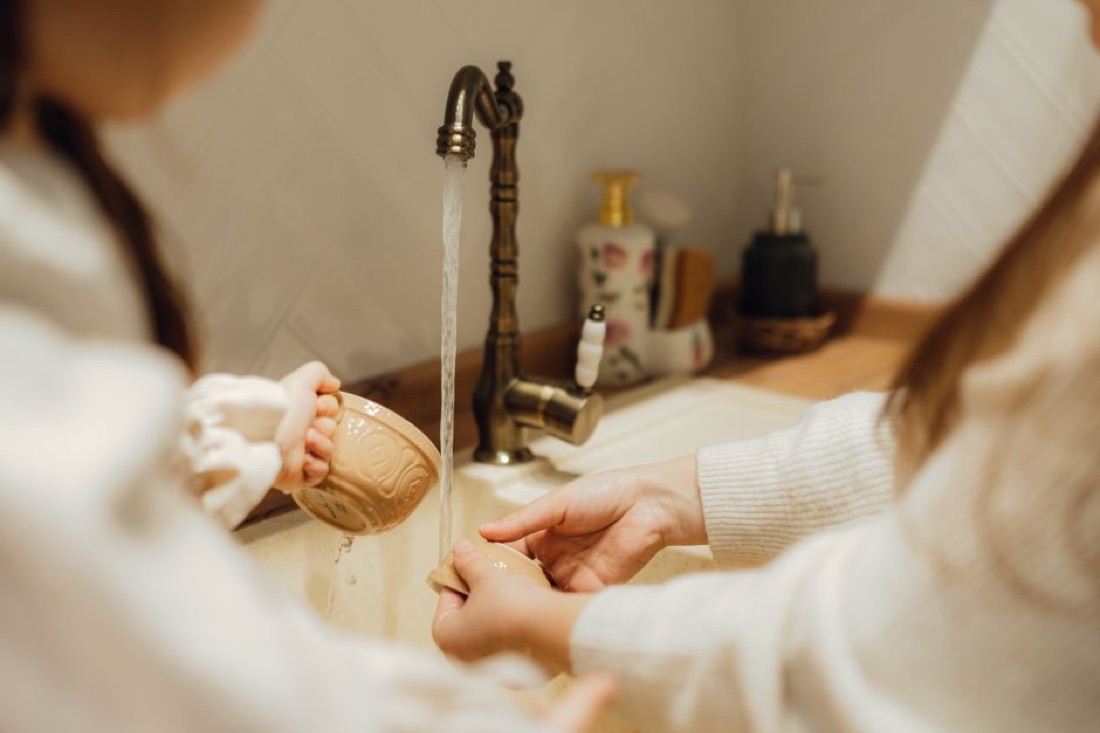
- Cool it down: Hold the burned area under running, room-temperature (lukewarm-to-cool) water for 10-20 minutes. Do not use ice.
- Cover it: Cover loosely with a clean, lint-free cloth or cling film; do not apply anything on top.
Never Do This
- Do not apply ice/ice water — it freezes the tissue and worsens the damage.
- Do not apply toothpaste, yogurt, tomato paste, or oil — they increase the risk of infection.
- Do not burst water-filled blisters; this opens the door to infection.
When to See a Doctor / Go to Hospital?
- Burns to the hand, face, eye, genital area, and joints
- Any burn in babies and small children
- Extensive, deep, white/black-looking, or water-filled blistered burns
- Electrical or chemical burns
For serious burns, call 112 (emergency services). Fever, swelling, foul odor, or discharge after a burn may be a sign of infection; for similar situations you can read our article on infected wounds and skin infections.
Prevention
- Do not place hot drinks at the edge of the table or on hanging tablecloths.
- Turn pot handles toward the inside of the stove.
- Check the bath water yourself first (turn on the cold tap first).
- Keep the iron, oven, and water heater out of the child's reach.
Staying calm and cooling with water is the most correct first step for a burn. For other emergencies, our first aid in children guide will show you the way.
📅 Book an appointment for child health
This content is for informational purposes only; in case of a serious burn call 112, and consult your doctor for diagnosis and treatment. — Uzm. Dr. Hasan Keleş
Frequently Asked Questions
No. Ice and ice water can cause additional tissue damage. The burned area should be held under running lukewarm-to-cool (room temperature) water for 10-20 minutes.
No. Home remedies such as toothpaste, yogurt, or tomato paste increase the risk of infection and make it harder to assess the wound. Only cool it with clean water.
Burns to the hand, face, or genital area; burns in babies; and blistered, extensive, or deep burns must always be evaluated by a doctor.
📅 Book an appointment for your child's health
Book an online appointment with Specialist Dr. Hasan Keleş in Gaziantep — instant confirmation.
Book an Appointment Online