




Gaziantep Pediatric Health and Disease Specialist
A Good Future
Begins with Health
I am by your side throughout your child's entire health journey, from their very first day to adolescence. Comprehensive pediatric care, from newborn follow-up and vaccinations to allergies and growth-and-development monitoring.
📅 Book Online Appointment Follow on Instagram
 Özel Düztepe Yaşam Hastanesi




- 0-18Age Follow-up
Child Health Monitoring
What Does Well-Child Care Include?
Child health monitoring includes growth and development follow-up, vaccination, nutrition and the regular assessment of developmental milestones. The main components of this process are outlined below.
Regular Check-ups
Growth and development are monitored through planned examinations at age-appropriate intervals.
Vaccination
The Ministry of Health vaccination schedule and recommended additional vaccines are planned on time.
Information
Families are given clear information about the diagnosis and treatment process.
Records and Follow-Up
Height, weight and developmental data are recorded and assessed over time.
Our Services
Comprehensive Pediatric Health Services
All health needs for ages 0-18, from newborn follow-up and vaccinations to allergy assessment and developmental testing.



How We Proceed
From Appointment to Follow-up
Book an Appointment
Choose a day and time that suits you, online or by phone, in just seconds.
Examination & Assessment
We assess your child holistically, not just by their complaint but together with their development.
Diagnosis and Treatment
We plan the necessary tests and manage the treatment process together with you, in a clear and understandable way.
Regular Follow-up
We monitor the vaccination schedule and your child's growth and development with regular check-ups.



📅 Book an appointment today for your child's health
Book an online appointment with Specialist Dr. Hasan Keleş in Gaziantep — instant confirmation.
Book an Appointment OnlineInstagram Videos
Pediatric Health Videos

Don't Compare Your Child with Others

How to Increase Breast Milk Supply

Make Memories Together with Your Child
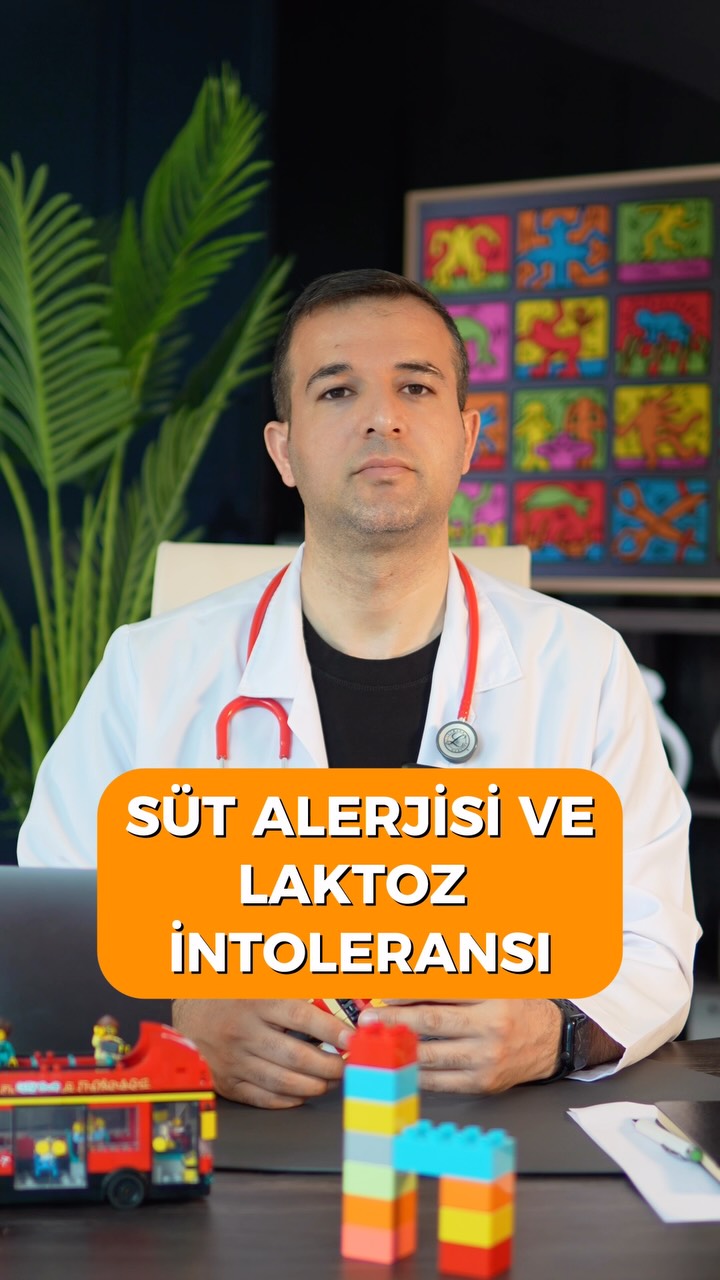
Milk Allergy vs. Lactose Intolerance
Blog
Up-to-Date Health Guides


Frequently Asked
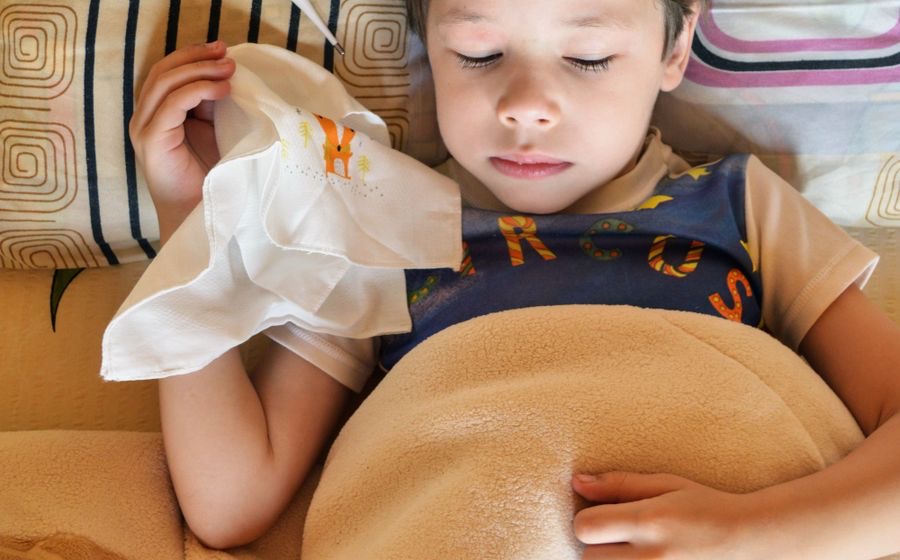
Frequently Asked Questions
A temperature of 38°C and above is considered a fever; however, alongside the degree of fever, the child's general condition, age and accompanying symptoms matter just as much. In our guide we explain when you should see a doctor. Guide to high fever
To bring down a fever in babies, lukewarm sponging, adequate fluids and the correct dose of a fever reducer are important; aspirin must never be used. You can find step-by-step safe methods in our article. Reducing fever in babies
Physiological neonatal jaundice usually begins in the first week and subsides within 1-2 weeks; however, jaundice that starts early or persists requires follow-up. We share the symptoms and the treatment approach. Neonatal jaundice
We have listed month by month the free vaccines administered in Turkey along with the optional private vaccines (rotavirus, meningococcal, HPV). You can review the up-to-date 2026 vaccination schedule. 2026 vaccination schedule
Skin rash-eczema, vomiting, diarrhea, constipation and irritability are among the common symptoms of cow's milk protein allergy. We have detailed the diagnosis and feeding recommendations. Cow's milk allergy
Feeding patterns, fluid intake and the transition to solid foods directly affect constipation. We explain practical and safe methods to relieve constipation in babies. Constipation in babies
Spitting up after feeding, irritability and a slowing of weight gain suggest reflux; in most babies it is physiological. You can find out when treatment is needed in our article. Reflux in babies
Fatigue, frequent infections and delayed bone and tooth development can be signs of vitamin D deficiency. We share prevention and supplement doses in our guide. Vitamin D deficiency
A cold is a viral condition; it does not require antibiotics. Plenty of fluids, rest and nasal care make the process easier. We have written about the right approach and the warning signs. Common cold
Ear pain, fever, irritability and sleeplessness suggest a middle ear infection in young children. We explain diagnosis, treatment and how to prevent recurrence. Middle ear infection