 Uzm. Dr. Hasan Keleş
- April 27, 2026
- 2 min read
- Fever and Infections
- — reads
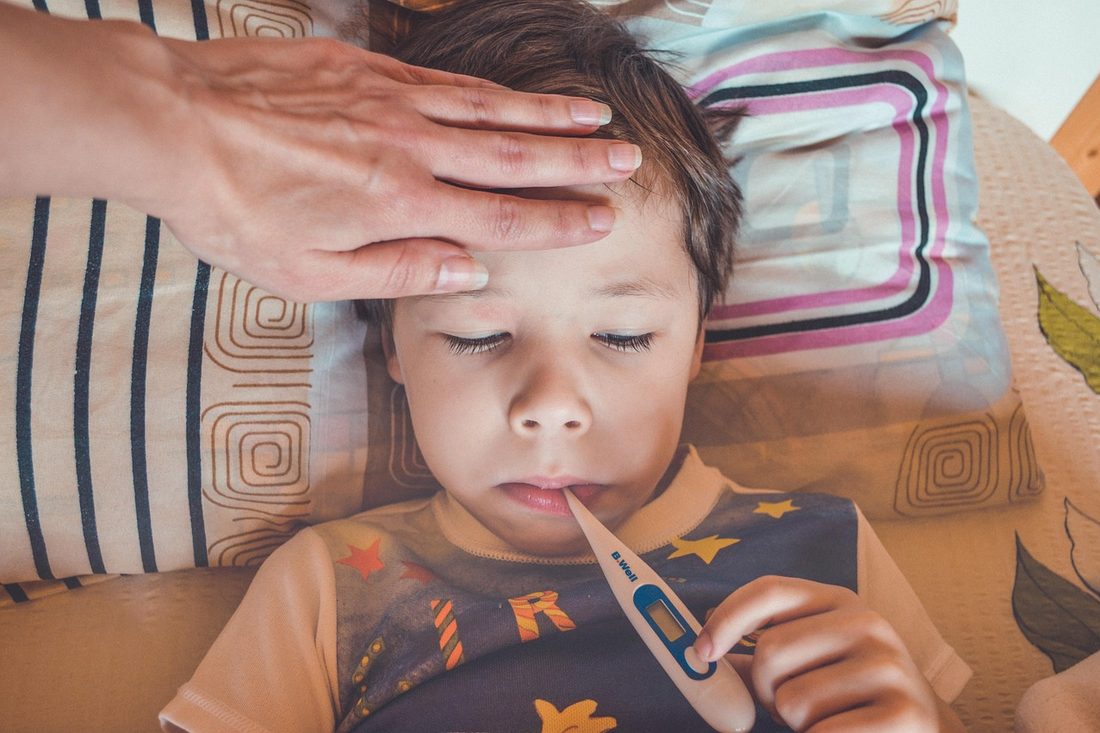
The question parents ask most often: "At how many degrees is it dangerous?" The truth is that it is not the temperature alone but the overall picture that matters. A child with a 38.5°C fever who is playing is far safer than a child with a 38°C fever whose consciousness is clouded.
Critical Thresholds by Age
| Age | Situation requiring emergency evaluation |
|---|---|
| 0-3 months | ≥ 38°C — always an emergency |
| 3-6 months | ≥ 38.5°C with irritability |
| 6 months - 18 years | ≥ 40°C, a fever that does not come down, or accompanying red flags |
10 Red Flags — Seek Care Without Delay
- A rash that does not fade under pressure (the glass test) — may be a sign of meningitis/sepsis
- Neck stiffness, discomfort with light
- Having a seizure
- Rapid, grunting, retracting breathing
- Constant drowsiness, inability to be woken, unresponsiveness
- Not passing urine for more than 8 hours, dry mouth, absence of tears
- Unstoppable vomiting
- Bluish discoloration of the lips and nails
- A fever lasting longer than 72 hours, or a "second peak" that falls and then rises again
- The combination of cold hands and feet with a high fever in the trunk
Overcome Fever Phobia
In most children the cause of fever is self-resolving viral infections. The goal is not to "reset" the fever but to comfort the child and watch for danger signs. For proper home care: How to Reduce Fever in Babies?
What Do We Look At in a Persistent Fever?
The focus during the examination: the eardrum (middle ear infection), the throat, lung sounds, urinalysis, and a blood count if needed. Finding the source of the fever is always more correct than blind antibiotics.
📺 Related Video
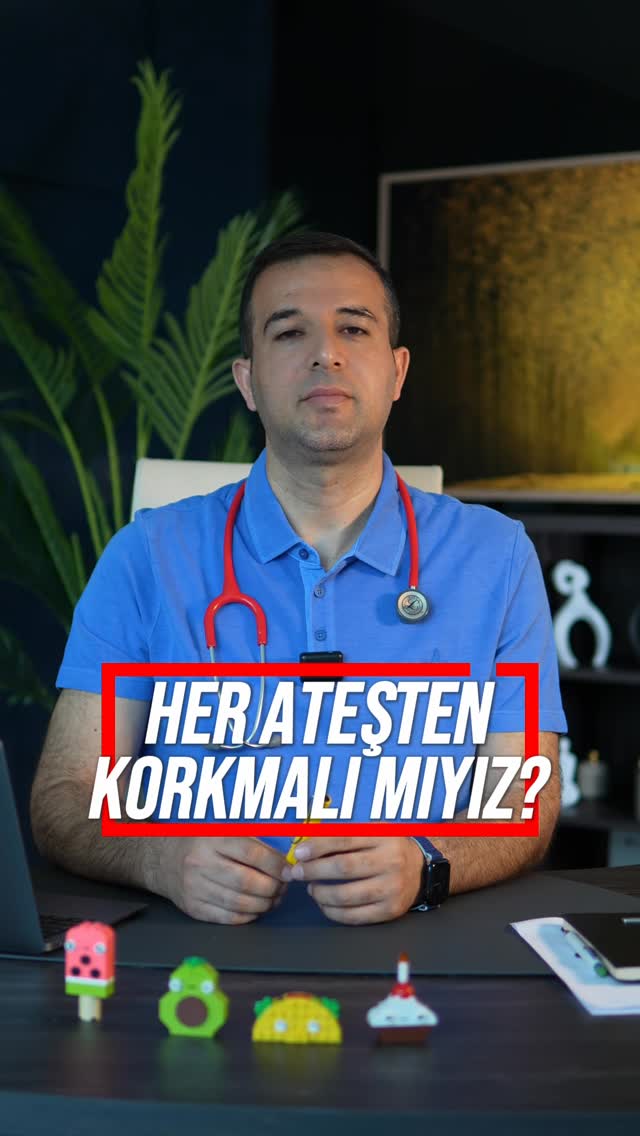
Is Every Fever Dangerous?
Instagram video by Specialist Dr. Hasan Keleş. Click to play.
Watch on Instagram →More videos on this topic
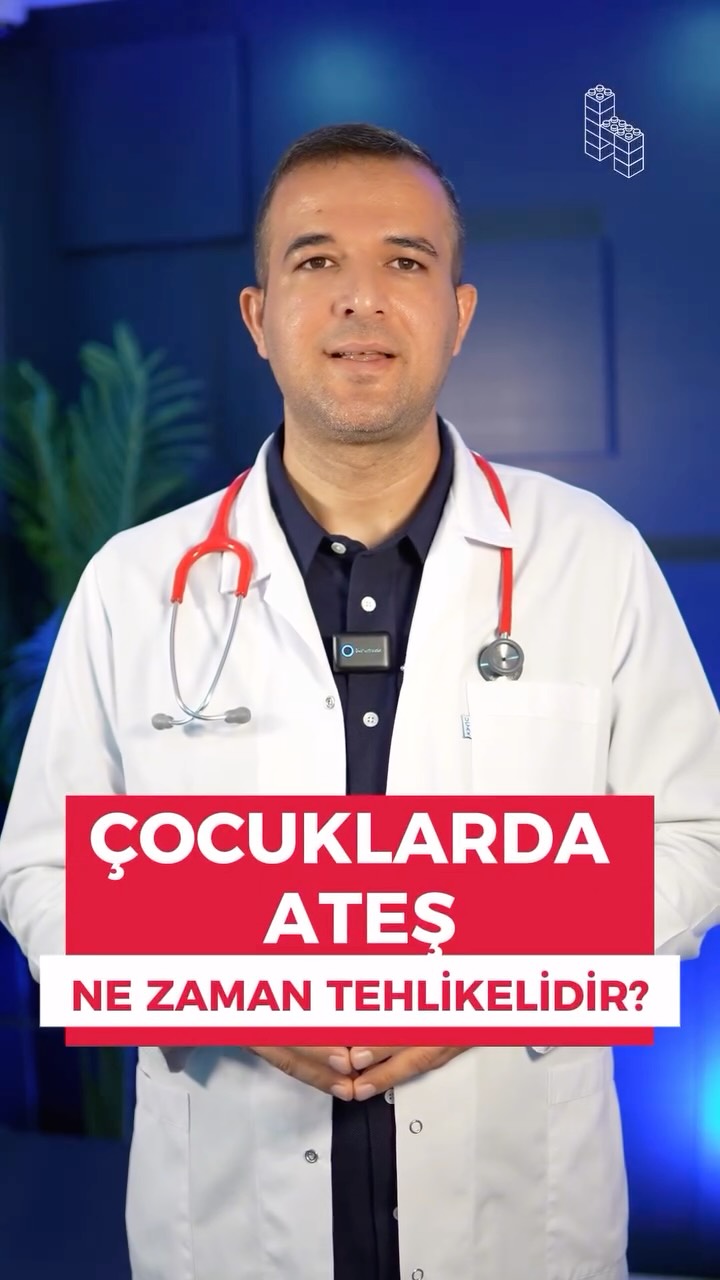
Fever in Children: When Is It Normal, When Is It Serious?
Frequently Asked Questions
It is not the temperature alone but the child's overall condition that is decisive. In a child whose fever responds to antipyretics and who is cheerful in between, 39°C can usually be managed with close monitoring; a fever that does not come down or is accompanied by a change in consciousness is an emergency.
A fever caused by infection (below 41.5°C) does not by itself cause brain damage; the truly feared picture is a serious underlying infection such as meningitis.
Because the cortisol hormone drops at night and due to the rhythm of the immune response, fever naturally tends to rise in the evening and nighttime hours.
📅 Book an appointment for your child's health
Book an online appointment with Specialist Dr. Hasan Keleş in Gaziantep — instant confirmation.
Book an Appointment Online