 Uzm. Dr. Hasan Keleş
- August 21, 2026
- 2 min read
- Fever and Infections
- — reads
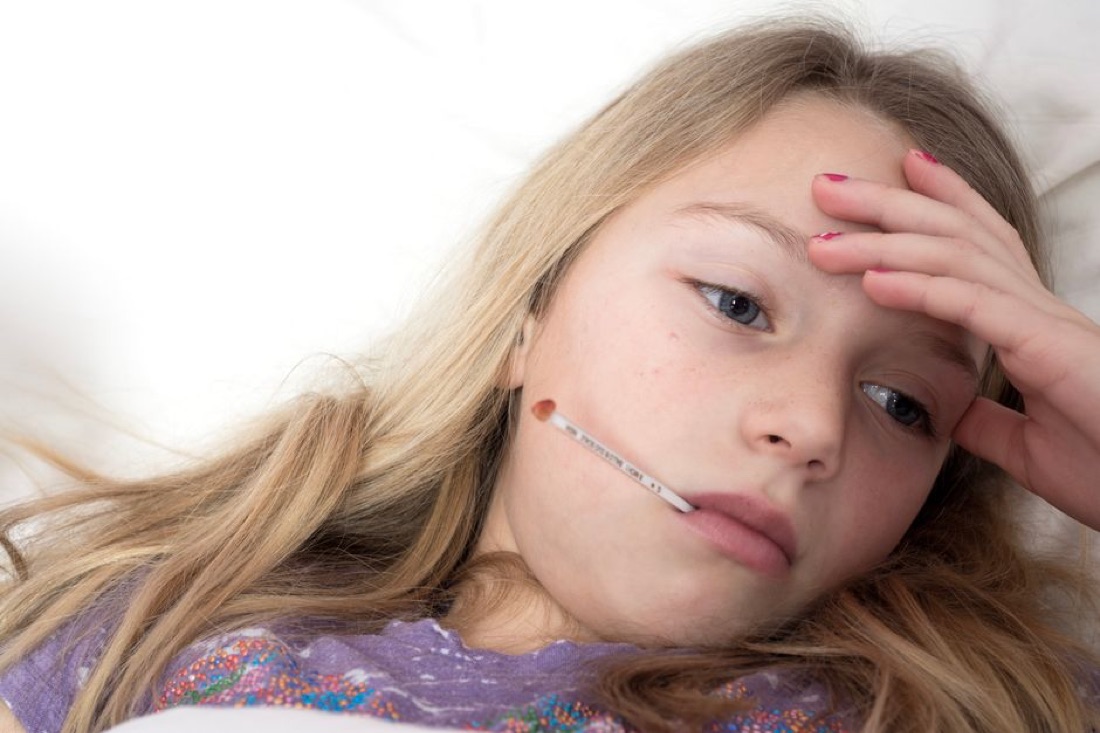
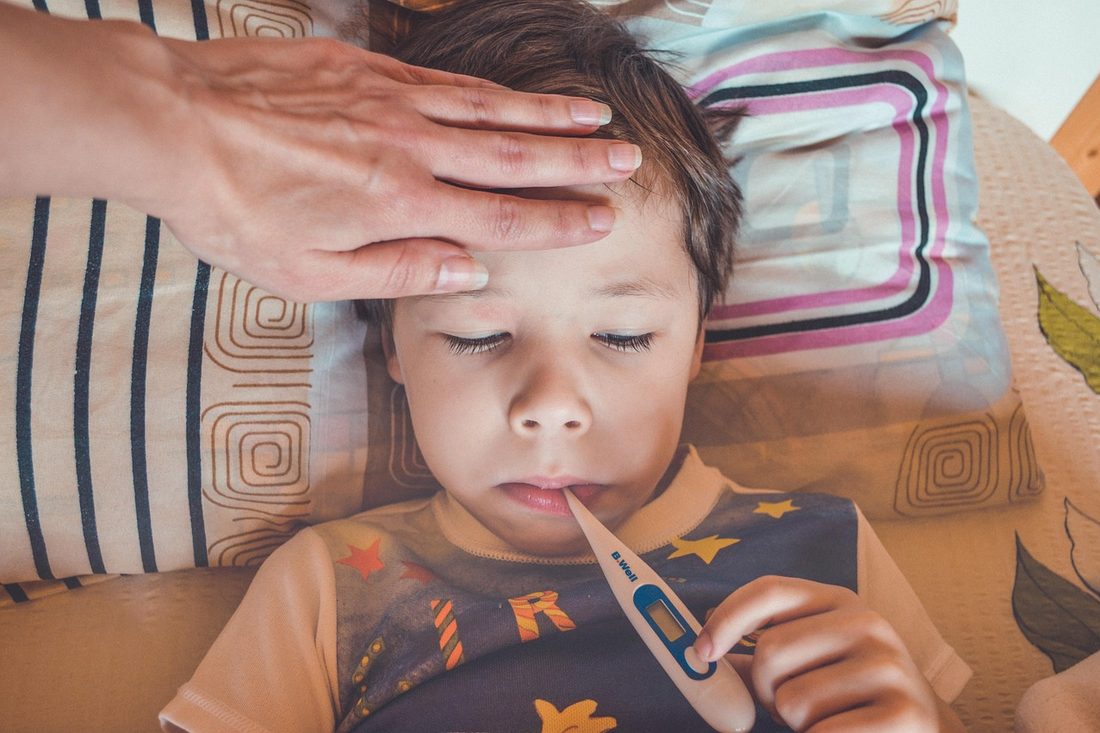
Fever is a rise in body temperature above the normal range, and most of the time it is part of the fight against infection. Measuring it correctly reduces both unnecessary use of medication and unnecessary worry.
Methods and how reliable they are
| Method | Notes |
|---|---|
| Rectal | Accepted as the most reliable in young babies; on a physician's advice |
| Underarm | Common and practical; can be affected by the room temperature |
| Ear (tympanic) | Fast; earwax and a wrong angle can change the reading |
| Forehead (non-contact) | Practical; sweating and the room temperature affect the reading |
| Oral | In older children; wait a while after hot or cold drinks |
Mercury thermometers are not used; they carry the risk of breaking and of contact with mercury.
For an accurate reading
- If the child is dressed, undress them and wait a while before measuring
- Wait a few minutes after crying or running around
- Within the same day, measure with the same method where possible
- Note the time and the value of the reading; it is valuable for the physician
What to watch for in a child with a fever
The child's overall condition matters as much as how high the fever is: alertness, fluid intake, urine output and breathing are monitored.
A physician should be consulted without delay in the following situations: fever in a baby younger than three months, fever together with drowsiness, bluish discolouration, rapid and laboured breathing, a rash, neck stiffness, a seizure, or an inability to take fluids.
Frequently Asked Questions
The number alone does not decide; the child's overall condition and age are what matter. Medication should be used according to the physician's advice.
A lukewarm application may bring relief. Cold water, alcohol and vinegar are not applied.
Teething may be associated with a slight rise in temperature; if there is a high fever, another cause is investigated.
📅 Book an appointment for your child's health
Book an online appointment with Specialist Dr. Hasan Keleş in Gaziantep — instant confirmation.
Book an Appointment Online