 Uzm. Dr. Hasan Keleş
- August 22, 2026
- 2 min read
- Blood and Immunity
- — reads
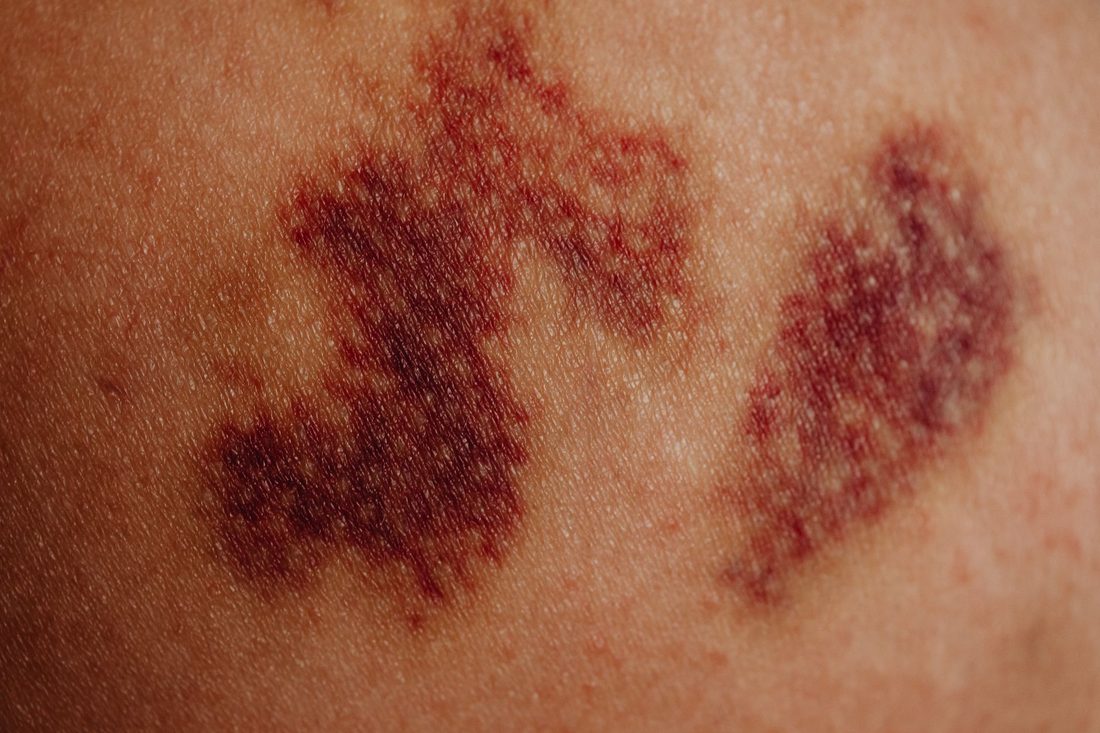
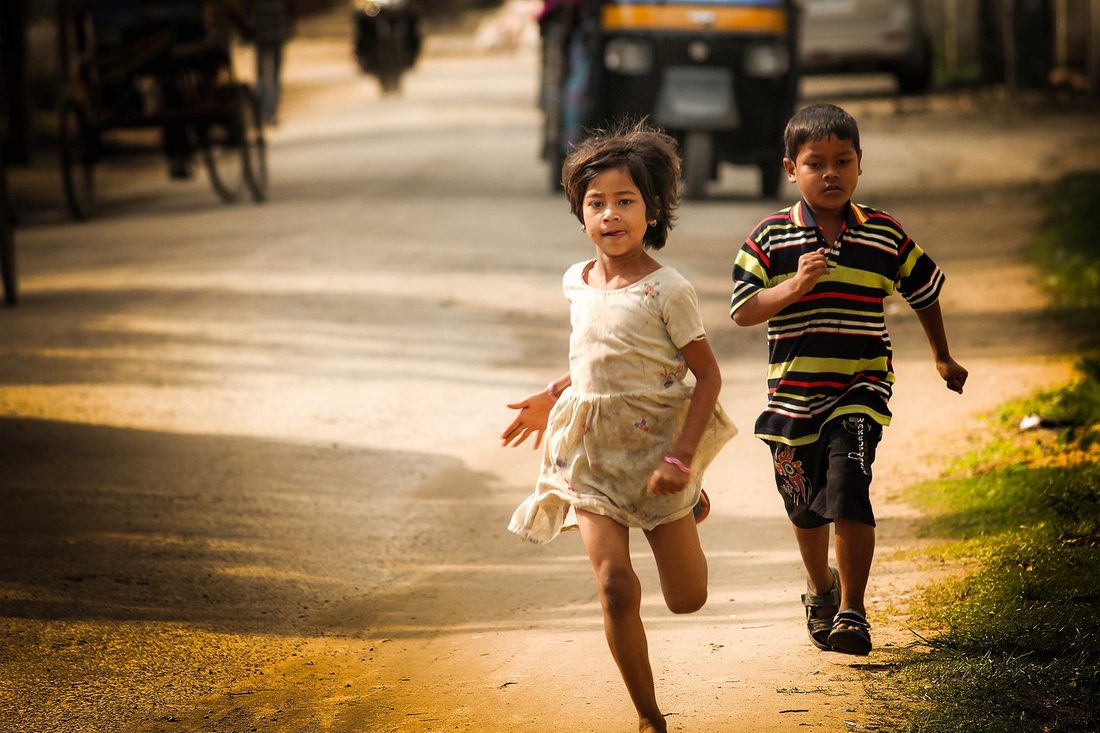
In toddlers and children who are in an active phase, bruises around the knees, shins and elbows are to be expected. What calls for evaluation is not the presence of a bruise, but its location, its number and the findings that go with it.
Expected bruising
- In areas where bone lies close to the skin (knees, shins, elbows)
- Following a knock the family knows about
- Changing colour over time and fading away
- The child is otherwise well
Bruising that needs investigating
- In protected areas such as the back, abdomen, buttocks, behind the ears or the neck
- Appearing without any history of a knock
- Numerous, and at different stages of healing
- With marked swelling and pain
- If nosebleeds and gum bleeding, wounds that bleed for a long time, or blood in the urine go with it
- If there is fatigue, pallor, fever, weight loss or bone pain
- If there is a bleeding disorder in the family history
What the doctor assesses
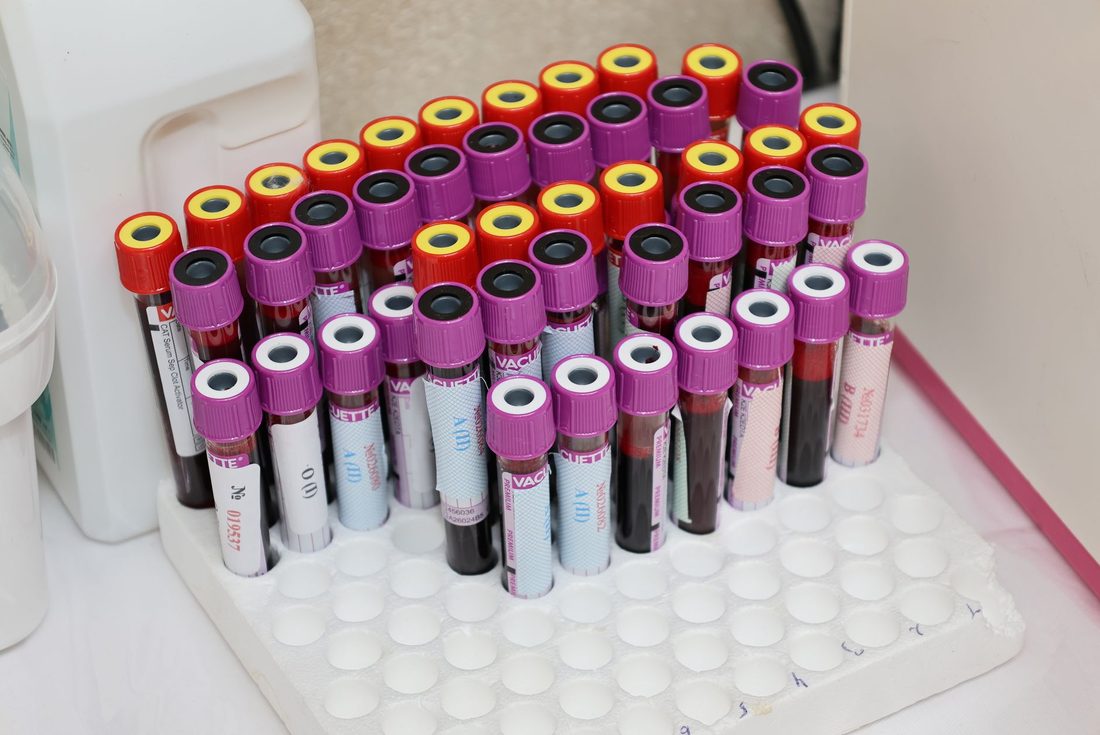
History and physical examination are the first step. If it is considered necessary, a complete blood count and clotting tests are requested. Which test is needed varies from child to child; not every bruise calls for testing.
What families can do
When a new bruise appears, noting down where it is and the date is valuable for the doctor. Aspirin and similar medicines are not used without a doctor's advice.
Frequently Asked Questions
Iron deficiency causes pallor and fatigue; it is not a direct cause of bruising. Even so, it can be assessed together with the other results during testing.
A tendency to bleed may be seen in severe and long-standing deficiency; this is rare nowadays.
It usually changes colour and disappears within a few weeks. A bruise that lasts a long time or gets bigger should be evaluated.
📅 Book an appointment for your child's health
Book an online appointment with Specialist Dr. Hasan Keleş in Gaziantep — instant confirmation.
Book an Appointment Online