 Uzm. Dr. Hasan Keleş
- June 5, 2026
- 2 min read
- Blood and Immunity
- — reads
"Doctor, my child is constantly sick" — this is one of the sentences I hear most often in my clinic. The good news is this: in the vast majority of children who get sick often, the immune system is completely normal. Children build their immunity precisely by coming into contact with germs.
Which Frequency Is Normal?
- 6–10 upper respiratory tract infections per year is normal in the preschool period
- In a child who has just started daycare, the first year may be even more frequent
- Considering that each infection lasts 7–10 days, the impression of "never getting better" arises over the course of winter — when in fact these are back-to-back infections caused by different viruses
The most reassuring finding is that the child is well, growing, and developing normally between these infections.
Warning Signs That Suggest a True Immunodeficiency
- More than one severe infection in a single year (pneumonia, bone-joint infection, sepsis)
- Frequently recurring infections that do not improve despite antibiotics
- Persistent thrush, deep skin abscesses
- A halt in growth and weight gain
- Infection with unusual germs
- A family history of unexplained early-age death or immunodeficiency
If these signs are present, an evaluation is carried out with a complete blood count and immune tests.
Evidence-Based Ways to Support Immunity
- Completing all vaccinations — the most effective way to strengthen immunity
- Breast milk
- A balanced diet, sufficient sleep, vitamin D supplementation
- A smoke-free home — passive smoking increases the frequency of infections
- The habit of handwashing
Most products advertised as "immune boosters" have no scientific basis; spend your money on a balanced diet instead.
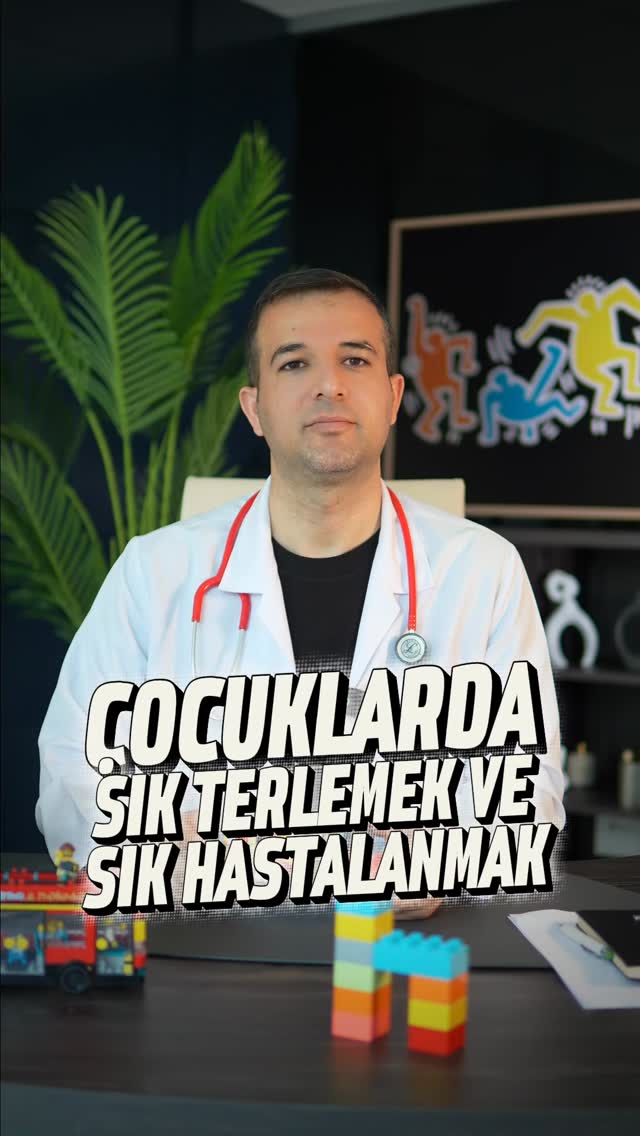
📺 Related Video
Do Children Who Sweat a Lot Get Sick More Often?
Instagram video by Specialist Dr. Hasan Keleş. Click to play.
Watch on Instagram →More videos on this topic
How to Strengthen a Child's Immune System
Frequently Asked Questions
If certain criteria are met, benefit may be seen; however, "getting sick often" on its own is not a reason for surgery.
📅 Book an appointment for your child's health
Book an online appointment with Specialist Dr. Hasan Keleş in Gaziantep — instant confirmation.
Book an Appointment Online