 Uzm. Dr. Hasan Keleş
- June 2, 2026
- 2 min read
- Blood and Immunity
- — reads
Blood disorders are a broad group that involve the red blood cells (anemias), white blood cells (immunity) or platelets (clotting). For most of them, early diagnosis significantly changes the course. Below we summarize those that stand out in childhood.
Anemias
The most common cause is iron deficiency anemia — details in this article. The inherited anemias that are especially important for our region:
- Thalassemia (Mediterranean anemia): Seen in the Mediterranean and Southeastern regions, where consanguineous marriage is common. Being a carrier causes no symptoms; when two carriers have a child, the severe (major) form may appear. This is why pre-marital screening is so valuable.
- Sickle cell anemia: Progresses with pain crises and a predisposition to infection.
Clotting Disorders
- Hemophilia: An inherited disease that generally affects boys and is marked by a tendency to bleed
- ITP: Immune-mediated low platelet count
When Should a Blood Disorder Be Suspected?
- Paleness, weakness, tiring easily, loss of appetite
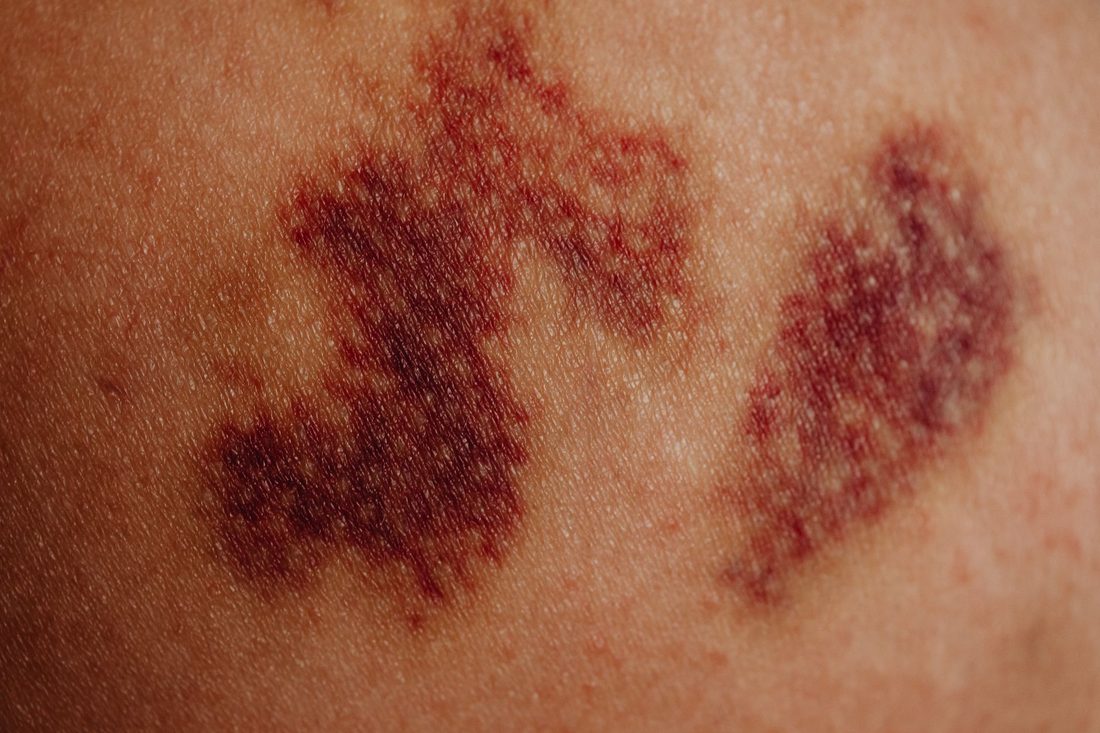
- Easy bruising, bleeding that does not stop, frequent nosebleeds
- Recurrent fever + bone and joint pain + swollen lymph nodes
- Growth delay, jaundice, enlarged spleen
- A family history of inherited blood disease
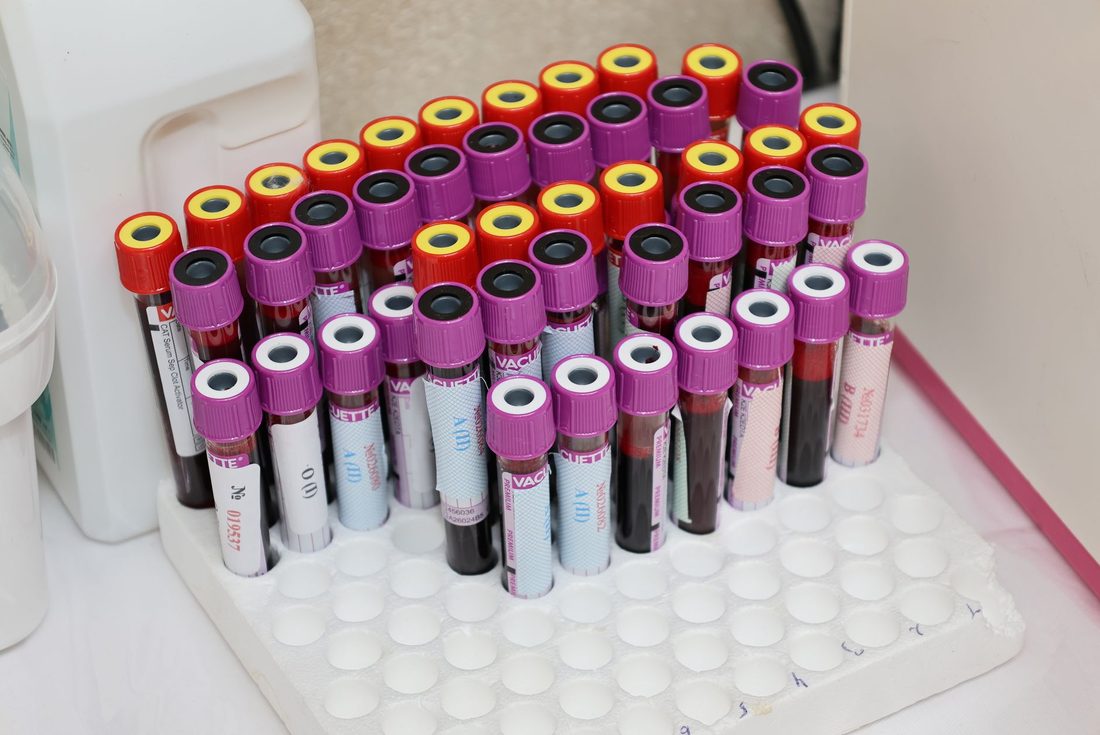
In the presence of these findings, the first step is usually a simple complete blood count (CBC); if needed, a referral to pediatric hematology is made. At our clinic, a CBC and basic blood tests can be performed.
📺 Related Video
Childhood Leukemia and Blood Disorders
Instagram video by Specialist Dr. Hasan Keleş. Click to play.
Watch on Instagram →Frequently Asked Questions
Carrier screening before marriage/pregnancy (above all for thalassemia) is recommended; based on the results, genetic counseling is obtained.
📅 Book an appointment for your child's health
Book an online appointment with Specialist Dr. Hasan Keleş in Gaziantep — instant confirmation.
Book an Appointment Online