 Uzm. Dr. Hasan Keleş
- May 26, 2026
- 2 min read
- Growth and Development
- — reads
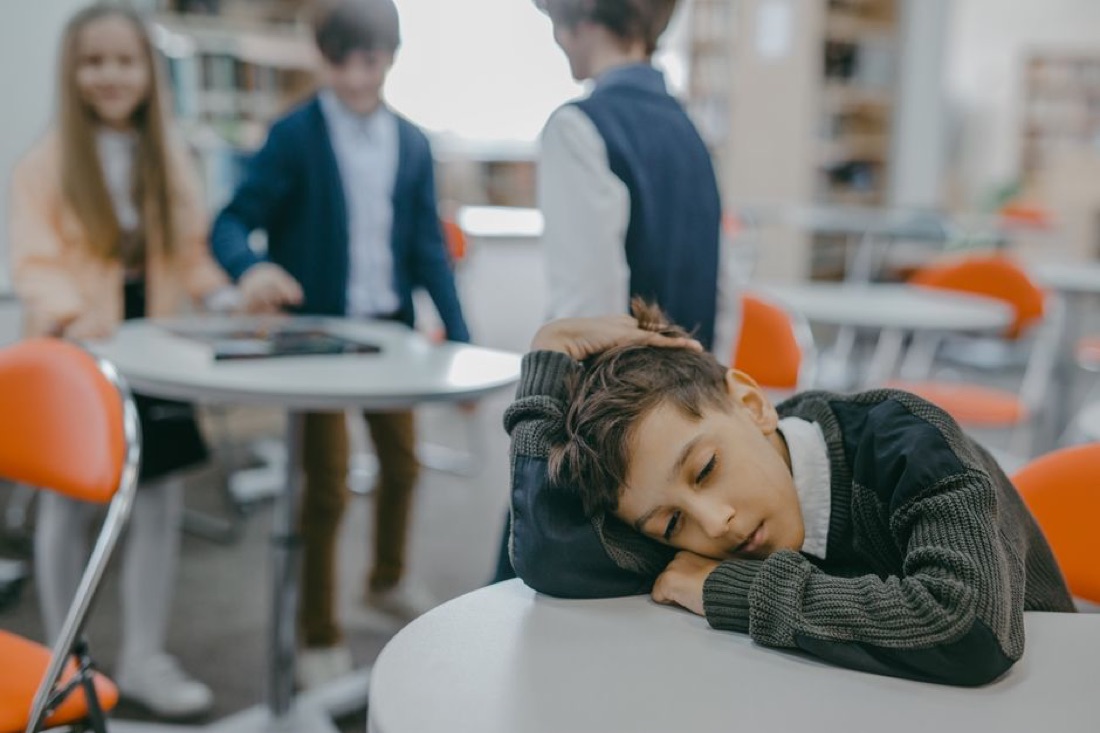
Peer bullying sometimes starts off like a "joke"; however, repeated teasing, exclusion, shoving, and online messages can leave deep marks on a child's self-esteem. Bullying is repeated, deliberate hurting within an imbalance of power — it is not a one-off disagreement.
Could Your Child Be a Victim of Bullying? The Signs
Children often do not tell; their behavior speaks for them:
- Not wanting to go to school, mornings that begin with "my tummy hurts" (recurring stomach aches/headaches may have an emotional cause)
- Belongings going missing or being torn; unexplained bruises
- Changes in sleep and appetite, nightmares, bed-wetting starting again
- Withdrawing, not mentioning friends, sudden outbursts of anger
- A drop in academic performance; becoming tense when seeing the phone/notifications (cyberbullying)
What Should the Family Do?
- Listen, don't judge: Saying "You should have fought back" silences the child. "Thank you for telling me, we will solve this together" gives reassurance.
- Do not blame the child and do not force them to confront the bully.
- Cooperate with the school: Talk with the teacher and the guidance counselor based on concrete incidents, with a solution-focused approach; follow up on the process.
- Keep records: Note down dates and events; in cyberbullying, take screenshots and block the sender.
- If symptoms persist (sleep-appetite disturbances, school refusal, thoughts of self-harm), professional support should not be delayed.
Remember: the family of the child who bullies should not ignore the problem either; bullying is often a cry for help from that child as well.
Self-Esteem: Not "Perfection," but the Courage to Think
Self-esteem does not develop by telling a child "you are wonderful, you are perfect"; it develops by making them feel that they are allowed to make mistakes and that mistakes are part of learning:
- Praise the effort, not the result: instead of "You are so smart," say "You worked very hard and you did it"
- Give age-appropriate responsibilities; do not do things for them
- When they make a mistake, give them the chance to make amends: "What can we do now?"
- Ask for their opinion and truly listen; let them speak for themselves
- Do not compare — the fastest enemy of self-esteem is comparison with siblings/peers
Solid self-esteem is the best protective armor against bullying: a child who values themselves is both more resilient to becoming a target and not afraid to ask for help.

📺 Related Video
Don't Compare Your Child with Others
Instagram video by Specialist Dr. Hasan Keleş. Click to play.
Watch on Instagram →More videos on this topic

Peer Bullying and Self-Confidence in Children

How Self-Confidence Develops in Children
Frequently Asked Questions
Not wanting to go to school, unexplained stomach or headaches, changes in sleep and appetite, belongings going missing, withdrawal and a sudden drop in grades are the main signs.
No. Hitting back usually escalates the situation and leaves the child more exposed. The right approach is to record what happened, contact the school and give the child a reliable adult to turn to.
Note the incidents in writing with dates, places and witnesses, then speak to the class teacher and counselling service in a solution-focused rather than accusing tone. A written record makes follow-up easier.
Self-esteem grows from the courage to try, not from expecting perfection. Praising effort rather than outcome and helping the child find an area where they can decide and show ability is what works.
📅 Book an appointment for your child's health
Book an online appointment with Specialist Dr. Hasan Keleş in Gaziantep — instant confirmation.
Book an Appointment Online