 Uzm. Dr. Hasan Keleş
- June 3, 2026
- 2 min read
- Blood and Immunity
- — reads
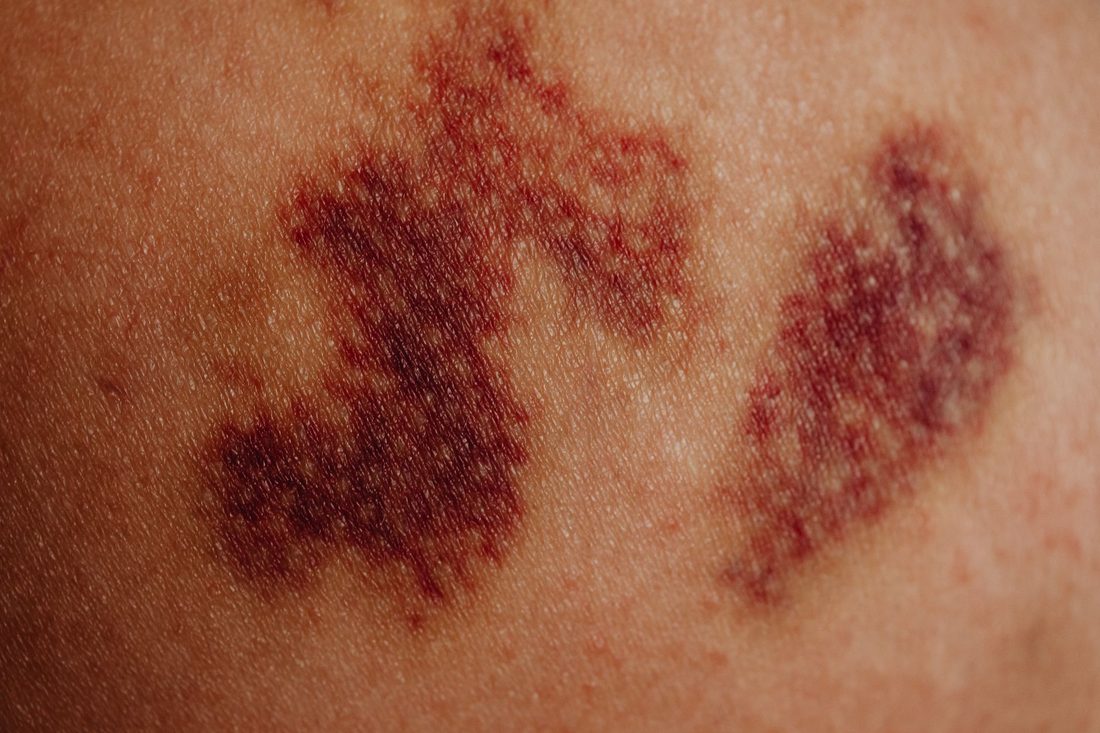
Platelets are cell fragments that allow the blood to clot. A decrease in their number is called thrombocytopenia, and it shows up as easy bruising of the skin and pinpoint bleeding.
Symptoms
- Numerous bruises (ecchymoses) even from minor knocks
- Pinpoint, red-purple spots the size of a needle tip on the skin (petechiae) — especially on the legs
- Nosebleeds and gum bleeding
- Prolonged menstrual bleeding (in adolescent girls)
The Most Common Cause: ITP (Immune Thrombocytopenia)
In an otherwise healthy child, bruises and petechiae that appear suddenly — usually 1–3 weeks after a viral infection — point to ITP. The immune system mistakenly destroys the platelets. Although it looks frightening, the large majority of childhood ITP resolves on its own and completely.
Other Causes
Medications, certain infections, and, more rarely, serious blood disorders involving the bone marrow. For this reason, every child who presents with bruising is evaluated with a complete blood count and, if needed, a peripheral blood smear; a pale appearance, fever, bone pain, or enlarged lymph nodes call for further investigation.
What Families Should Watch For
Protecting a child with a low platelet count from injury is important: contact sports and activities that carry a risk of head trauma are restricted. Medications that increase bleeding risk, such as aspirin and ibuprofen, are avoided; for fever and pain, consult your doctor. In the case of active bleeding, a severe headache, or head trauma, you should go to the emergency department.
📅 Book an online appointment for your child: Uzm. Dr. Hasan Keleş — appointment page
Related articles: Childhood blood disorders · Iron deficiency
This article is for general information purposes only; it does not replace diagnosis and treatment. For any concerns about your child's health, always consult a specialist in pediatric health and diseases.
Uzm. Dr. Hasan Keleş — Specialist in Pediatric Health and Diseases, Gaziantep
Frequently Asked Questions
No; ITP is not a cancer and does not turn into cancer. Once the diagnosis is confirmed, most children are simply followed with close monitoring.
📅 Book an appointment for your child's health
Book an online appointment with Specialist Dr. Hasan Keleş in Gaziantep — instant confirmation.
Book an Appointment Online