 Uzm. Dr. Hasan Keleş
- May 31, 2026
- 2 min read
- Growth and Development
- — reads
Worldwide and in our country, the most common nutritional problem of childhood is iron deficiency. It progresses insidiously: even before overt anemia develops, it can adversely affect brain development and learning. That is why screening and prevention are critical.
Who Is at Risk?
- Premature and low-birth-weight babies
- Those fed an iron-poor diet after the 6th month (late/incorrect introduction of complementary foods)
- Children over 1 year old who drink more than 500 ml of cow's milk per day (milk suppresses iron!)
- Rapidly growing adolescents and menstruating girls
Symptoms
Paleness (best seen inside the eyelid and on the palms) • tiring quickly, fatigue • loss of appetite • restlessness, difficulty concentrating • frequent infections • pica (a craving to eat soil, paper, ice) • spoon-shaped nails
Diagnosis
It is established with a simple complete blood count (CBC) + iron panel (ferritin). Ferritin is the best indicator of the body's iron stores.
Treatment and Prevention
- Preventive: Iron drops for all babies between the 4th and 12th month (a routine practice in our country)
- Treatment: If a deficiency is detected, 3-4 months of iron therapy at a dose calculated by weight + follow-up test
- Nutrition: Red meat, eggs, dried legumes, grape molasses, dark leafy greens; vitamin C alongside increases absorption. Tea and milk with meals block iron absorption.
⚠️ Iron medications carry a risk of poisoning for children — keep them in a locked place.
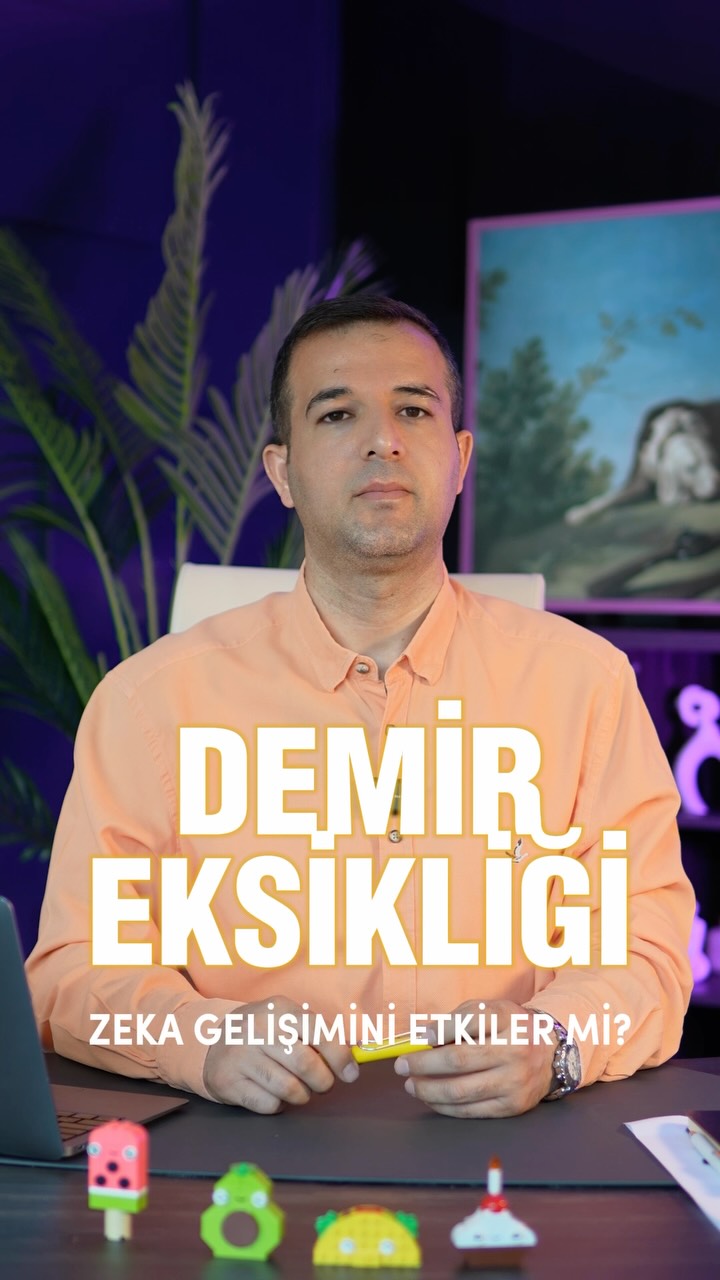
📺 Related Video
Signs of Iron Deficiency in Children
Instagram video by Specialist Dr. Hasan Keleş. Click to play.
Watch on Instagram →More videos on this topic
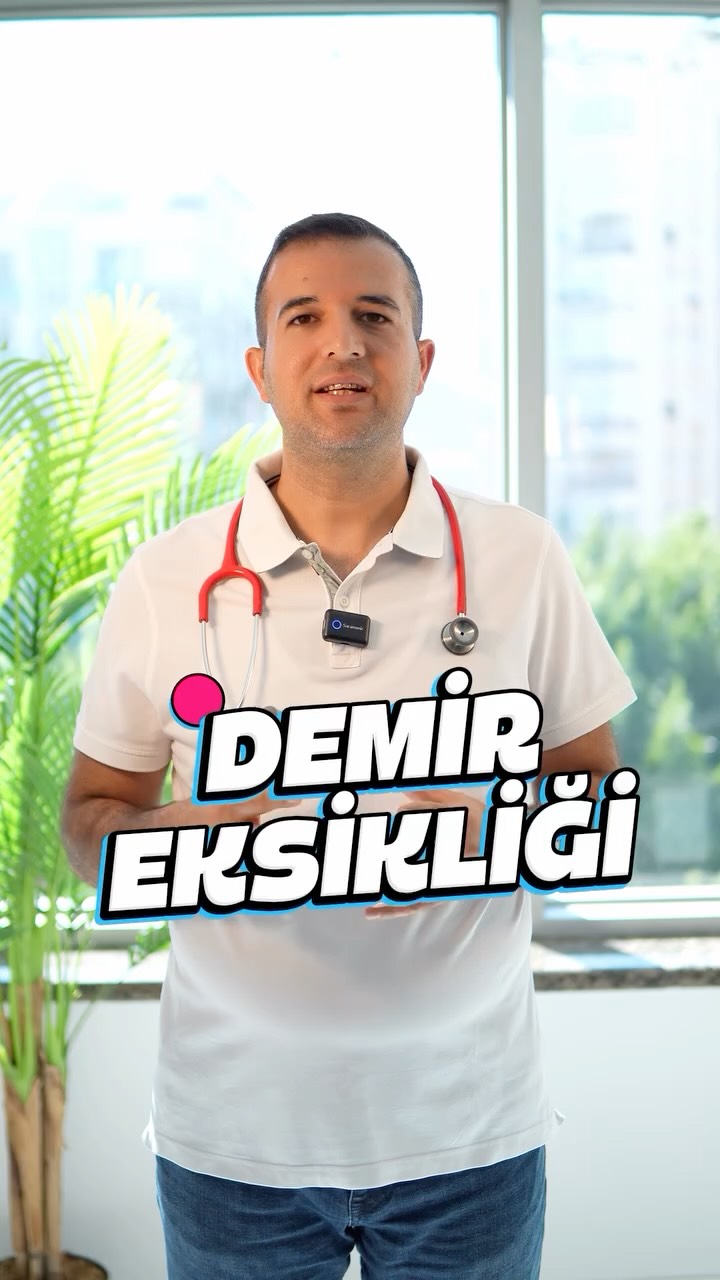
Iron Deficiency in Children
Frequently Asked Questions
In Turkey, preventive iron supplementation begins from the 4th month and is generally continued until the 12th month.
Drops/syrup can cause temporary staining; giving it toward the back teeth and having the child drink water afterward prevents staining. The stains are not permanent.
Absorption increases when taken on an empty stomach or with a source of vitamin C (freshly squeezed orange juice); it should never be given with milk or tea.
📅 Book an appointment for your child's health
Book an online appointment with Specialist Dr. Hasan Keleş in Gaziantep — instant confirmation.
Book an Appointment Online