 Uzm. Dr. Hasan Keleş
- May 3, 2026
- 2 min read
- Nutrition
- — reads
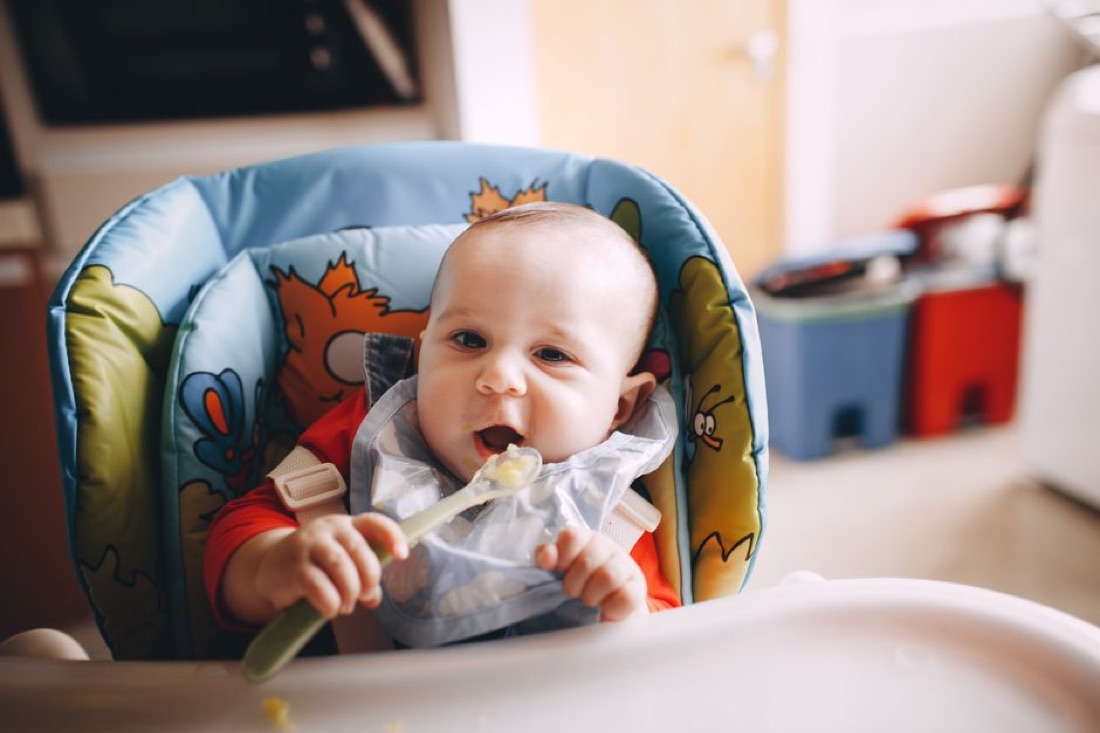
For the first 6 months, breast milk alone is the gold standard. From the 6th month onward, the baby's need for iron and energy increases, and the solid food journey begins. This period is not only about nutrition, but also a process of taste education and motor development.
Signs of Readiness
✔ Can sit with support, full head control ✔ Shows interest in food, opens their mouth ✔ Tongue-thrust reflex has diminished ✔ Tries to swallow food on the spoon instead of pushing it out
Basic Rules
- Introduce one at a time: Each new food 2-3 days apart — for monitoring allergies/intolerance.
- Iron comes first: Red meat, egg yolk, and legume purees should be on the table from early on. (Iron deficiency is very common at this age!)
- No salt or sugar (until 1 year of age). Honey is absolutely off-limits.
- Advance the texture: Puree → mash → soft pieces (8-9 months) → family table (12 months). If lumpy/textured food is not introduced by month 9, feeding difficulties tend to increase later on.
- Don't delay allergens: Egg, yogurt, fish, and peanut butter (in spreadable form) can be introduced from the 6th month onward. For a baby with severe eczema, plan with your doctor first.
6-12 Month Practical Flow
- Month 6: 1-2 meals per day — vegetable puree, yogurt, banana/pear mash, egg yolk
- Months 7-8: 2-3 meals — add red meat, grains, cheese; start finger foods
- Months 9-11: 3 meals + a snack — lumpy texture, encourage self-feeding
- Month 12: Family table + cow's milk allowed as a drink
Choking-Hazard Foods
Whole grapes/cherry tomatoes (quarter them) • whole hazelnuts/peanuts • popcorn • sausage cut into rounds • hard raw vegetables

📺 Related Video
Starting Solid Foods for Babies
Instagram video by Specialist Dr. Hasan Keleş. Click to play.
Watch on Instagram →More videos on this topic

The Right Way to Start Solid Foods
Frequently Asked Questions
The ideal start is at the completion of 6 months, provided the baby shows signs of readiness; solids should never be started before 4 months.
There is no single right choice; you can start with vegetable puree, yogurt, or iron-rich foods. Each new food is tried one at a time, 2-3 days apart.
Never before 1 year of age — there is a risk of infant botulism. Cow's milk should also not be given as a drink before 1 year of age.
No; current scientific evidence shows that early introduction of allergenic foods from 6 months onward reduces the risk of allergy.
📅 Book an appointment for your child's health
Book an online appointment with Specialist Dr. Hasan Keleş in Gaziantep — instant confirmation.
Book an Appointment Online