 Uzm. Dr. Hasan Keleş
- May 2, 2026
- 2 min read
- Nutrition
- — reads
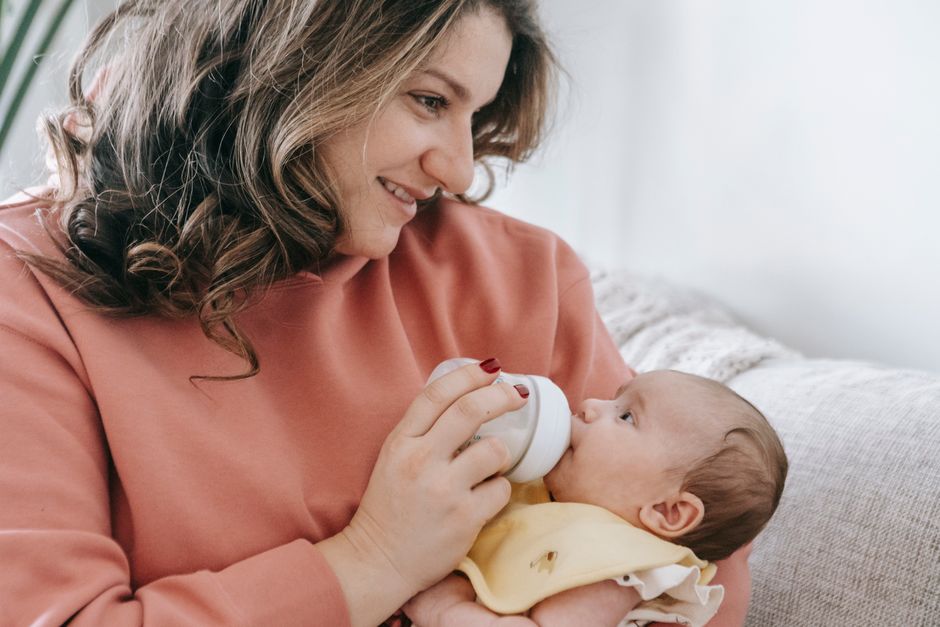
Water for babies is one of the most frequently asked yet most misunderstood topics. The short answer: no water in the first 6 months — about 88% of breast milk is already water, and it meets all of a baby's fluid needs. This rule also applies on the hottest days of summer; in the heat, the right thing to do is not to give water but to breastfeed more often.
Why Is Water Harmful in the First 6 Months?
- It fills the baby's tiny stomach and reduces breast milk intake → weight gain slows down and milk production drops
- A newborn's kidneys are not able to dilute water effectively; too much water lowers the sodium in the blood (water intoxication) and can lead to serious conditions ranging from weakness to seizures
- For the same reason, formula prepared with water must be made exactly according to the proportions in the recipe
Even babies who are exclusively formula-fed do not need extra water in the first 6 months (unless a doctor recommends it); formula is already prepared with water.
After 6 Months: Water Begins Alongside Solid Foods
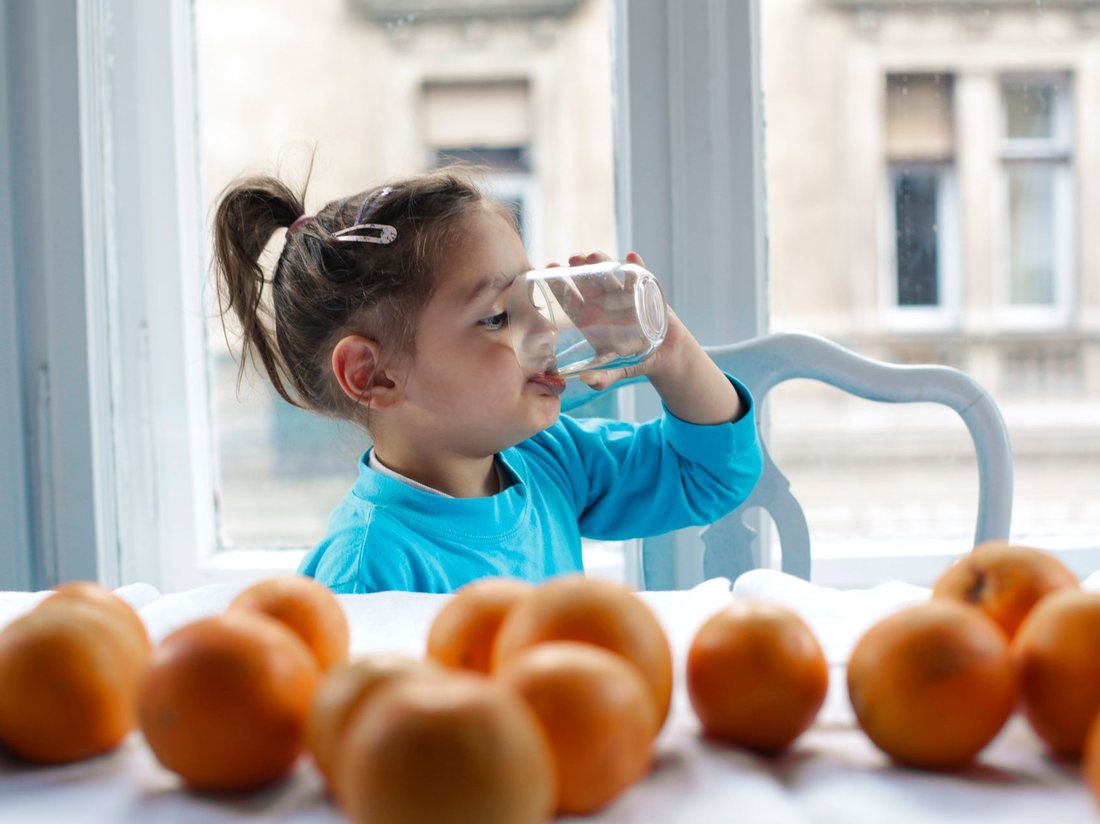
With the transition to solid foods, water starts to be offered with meals in small sips, from a cup:
- 6–12 months: about half a cup to 1 cup of water per day (with meals); the main source of fluid is still breast milk/formula
- 1–3 years: about 4 cups of fluid per day (most of it should be water)
- The need increases with age; more in hot weather and during illness
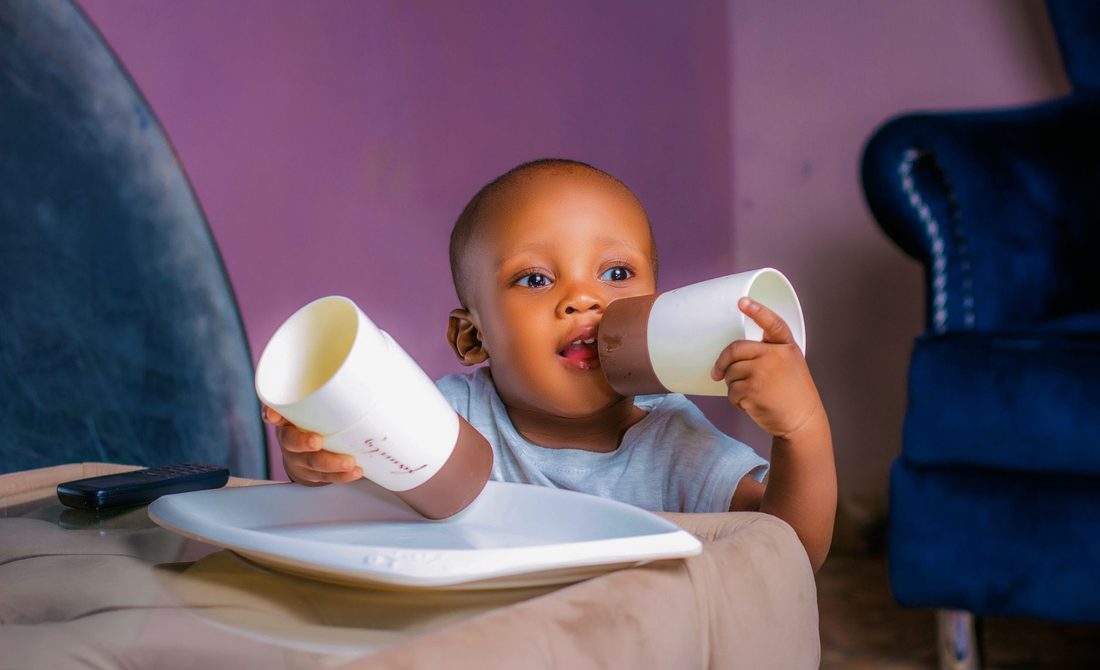
Offering water in a training/open cup rather than a bottle is better for dental health and skill development.
Which Water, Which Drink?
If the source is safe, drinking water is suitable. Carbonated drinks, packaged fruit juices, and sugary beverages are not recommended at any age; under 1 year of age, honey water and herbal teas should also not be given.
Signs of Dehydration
A decrease in the number of wet diapers, dark-colored urine, a dry mouth, and weakness indicate a fluid deficit — this is especially important during episodes of diarrhea and vomiting; for how to handle this, see our article on diarrhea and vomiting.

📺 Related Video
When Should Babies Start Drinking Water?
Instagram video by Specialist Dr. Hasan Keleş. Click to play.
Watch on Instagram →Frequently Asked Questions
Yes, you do not; frequent breastfeeding is enough. The mother should increase her own water intake.
📅 Book an appointment for your child's health
Book an online appointment with Specialist Dr. Hasan Keleş in Gaziantep — instant confirmation.
Book an Appointment Online