 Uzm. Dr. Hasan Keleş
- July 23, 2026
- 3 min read
- Nutrition
- — reads
As temperatures rise, children lose fluids much faster than adults through sweating, rapid breathing, and active play throughout the day. On top of that, young children cannot always say when they are thirsty; that is why noticing fluid loss (dehydration) early is largely up to the parents. The good news is that with the right drinks and a few simple precautions, it is possible to keep your child safe all summer long.
A child's body surface area is larger relative to their weight, their metabolism is faster, and their heat-adaptation mechanisms are not yet mature. For these reasons, babies and young children are more prone to heatstroke and dehydration than adults. When summer infections add diarrhea, vomiting, and fever, fluid loss can progress much more quickly.
Signs
Distinguishing the severity of fluid loss early determines what you need to do:
| Mild–moderate fluid loss | Severe fluid loss (EMERGENCY) |
|---|---|
| Dry mouth and lips | No urine at all for 6–8 hours |
| Darker, less frequent urine | Crying without tears, sunken eyes |
| Increased thirst | Sunken fontanelle in babies |
| Mild weakness, restlessness | Excessive sleepiness, unresponsiveness, drowsiness |
| Fewer wet diapers | Loss of skin elasticity (reduced turgor), cold, mottled skin |
In young babies, one of the most reliable indicators is the number of wet diapers; fewer than 6 a day calls for attention.
What to Do at Home
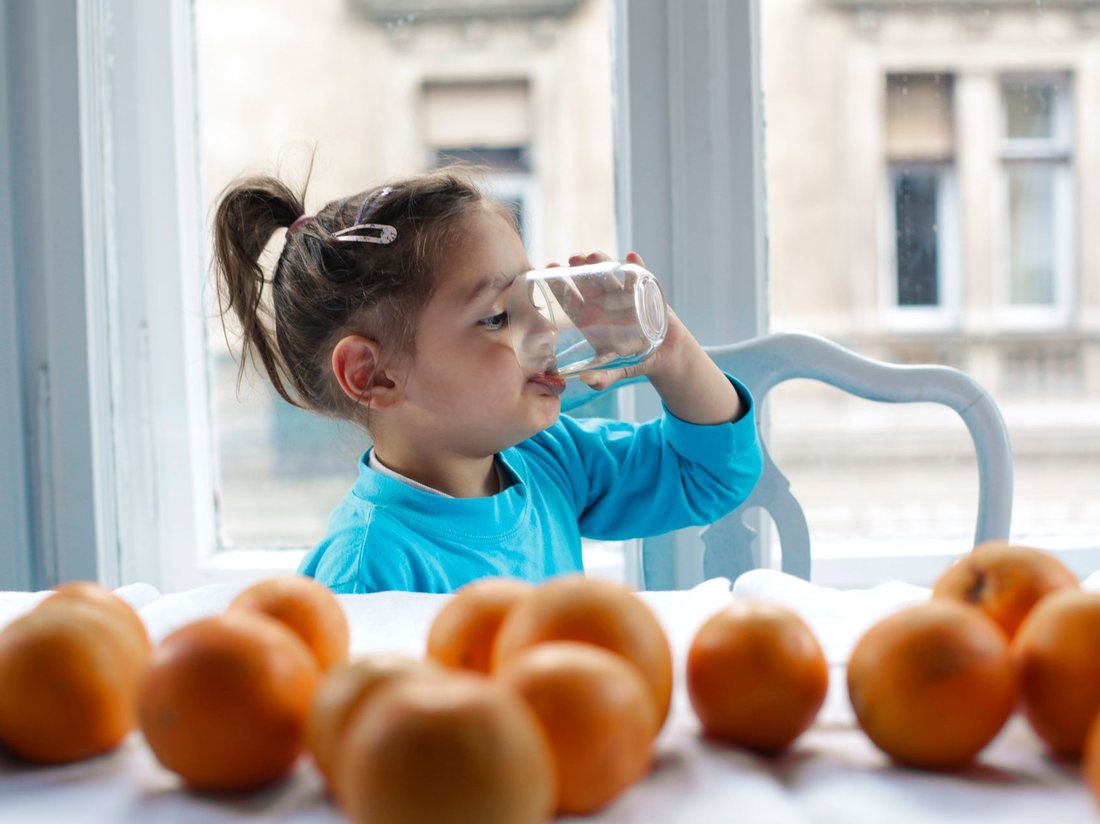
- Offer fluids frequently, in small amounts, and regularly. Small sips throughout the day work better than a large amount all at once. Do not wait for thirst; on hot days, remind your child to drink water at regular intervals.
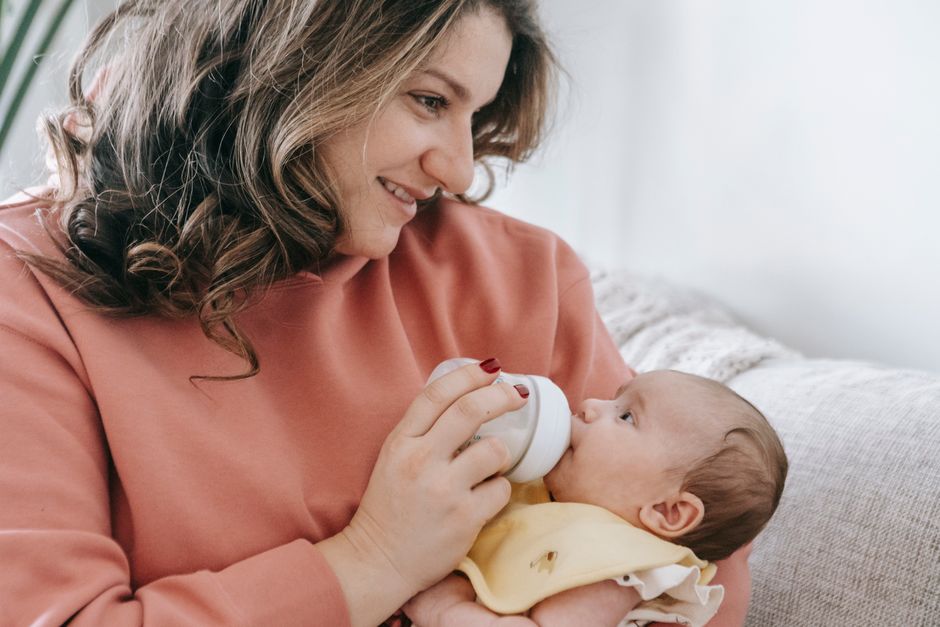
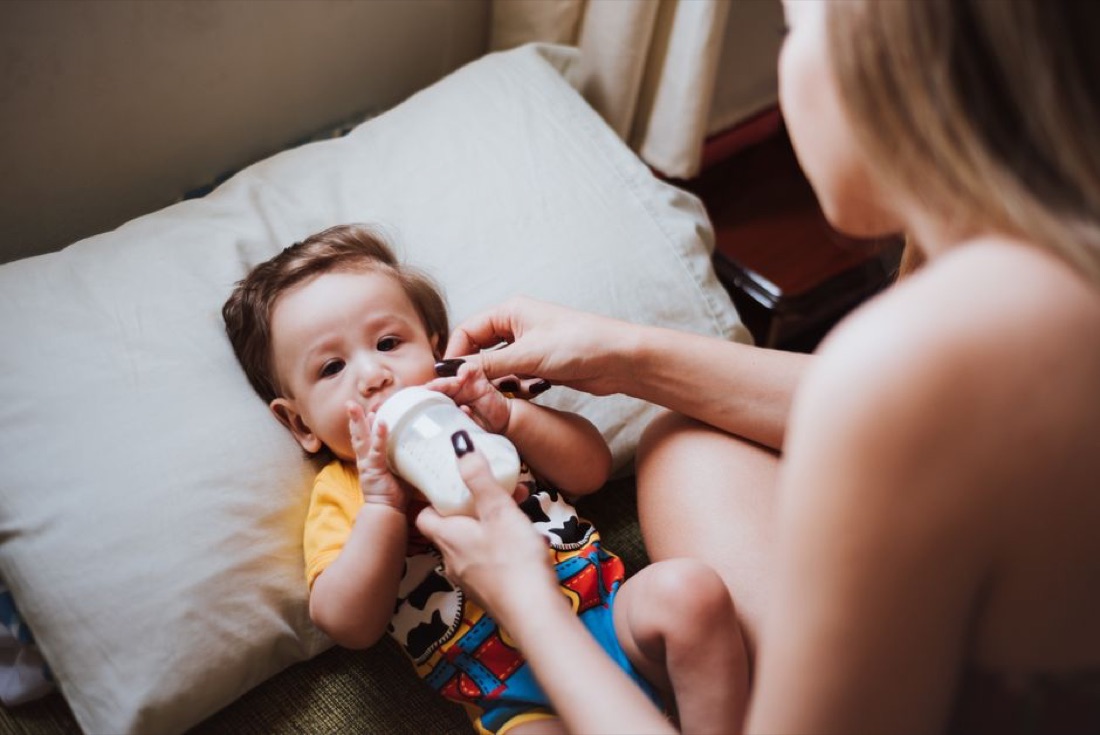
- Do not give water to babies under 6 months; breastfeed more often. At this age, all fluid needs are met by breast milk or formula. For details, see our article on when to give water to babies.
- Aim for an age-appropriate amount. About 4 glasses a day for ages 1–3, and 6–8 glasses for older children, is a good starting point; the need increases in the heat and on active days.
- The best choice is water. Packaged fruit juices and carbonated, sugary drinks do not relieve thirst and are not suitable for teeth or weight. Keep milk and yogurt (ayran) in the daily diet; water-based soups and fruits with high water content (watermelon, melon, cucumber) provide extra fluid.
- If there is diarrhea or vomiting, use an oral rehydration solution (ORS). Buy a ready-made ORS packet from the pharmacy and give it in small, frequent amounts after each watery stool or vomiting episode. Rotavirus diarrhea, a common cause of summer diarrhea, can lead to rapid fluid loss; in a vomiting child, starting with a teaspoon every 5–10 minutes helps. For a comprehensive approach, our article on fluid support in diarrhea and vomiting offers guidance.
- Avoid the hottest hours. Stay out of direct sun between 11:00 and 16:00; choose thin, light-colored, cotton clothing and a hat.
- Never leave a child alone in a car. Inside a closed car, the temperature rises to dangerous levels within minutes.
- Breastfeeding mothers should increase their own fluid intake. The mother drinking enough water supports both the amount and the content of the milk.
When to See a Doctor / Go to the ER
If any of the following red flags is present, seek medical or emergency care without delay:
- No urine at all for 6–8 hours, or a dry diaper in babies
- Crying without tears, sunken eyes, or a clearly sunken fontanelle in a baby
- Excessive sleepiness, difficulty waking, unresponsiveness, or nonstop restlessness
- Persistent vomiting, bile-stained (green) vomiting, or bloody diarrhea
- A fever of 38 °C or higher in a baby under 3 months
- High body temperature, flushed–dry skin, or confusion after heat exposure (a picture suggesting heatstroke)
- Inability to keep any fluids down, severe weakness
📅 Book an online appointment for your child: Uzm. Dr. Hasan Keleş — appointment page
Related articles: When to give water to babies · Rotavirus diarrhea · Fluid support in diarrhea and vomiting
This article is for general information purposes only; it does not replace diagnosis or treatment. For any concerns about your child's health, be sure to consult a pediatric health and diseases specialist.
Uzm. Dr. Hasan Keleş — Pediatric Health and Diseases Specialist, Gaziantep
Frequently Asked Questions
The most practical measure is urine: passing pale-yellow urine at regular intervals shows that fluid balance is good. Dark-colored, infrequent urine points to a fluid deficit.
On ordinary hot days, water is the right choice. For fluid loss due to diarrhea and vomiting, a balanced **ORS** (oral rehydration solution) should be preferred over sports drinks or packaged fruit juices; the high sugar content of those drinks can worsen diarrhea.
Always keep water nearby, use a colorful cup or bottle, add a slice of fruit, and drink water yourself to set an example. Fruits and vegetables with high water content also increase daily fluid intake.
With diarrhea and vomiting, both water and salts (electrolytes) are lost; in the heat, this loss increases further through sweating. That is why early, regular fluid support with ORS is critical during episodes of diarrhea.
📅 Book an appointment for your child's health
Book an online appointment with Specialist Dr. Hasan Keleş in Gaziantep — instant confirmation.
Book an Appointment Online