 Uzm. Dr. Hasan Keleş
- August 29, 2026
- 3 min read
- Nutrition
- — reads
When term starts, the subject in clinic changes. The child who came in as "a poor eater" all summer now arrives as "leaves the house in the morning without eating anything."
In this article I set out why the lunch box matters, what should go in it, and what breakfast does for the school day.
Breakfast First
Before the lunch box, breakfast needs to be discussed — because the box does not make up for a skipped breakfast.
After a night of fasting, the morning meal has a direct bearing on the child's attention and stamina in the first lessons. In a child who goes to school without breakfast, flagging, poor concentration and headache towards midday are common.
- What time do they get up? A child who gets up in a rush does not want to eat. Waking them fifteen minutes earlier is often enough.
- What time and what do they eat in the evening? A heavy meal late at night closes the morning appetite.
- Is sleep sufficient? School-age children need nine to eleven hours.
In a child who will not eat at all, even one mouthful is worth having: a glass of milk, a slice of cheese or a handful of walnuts. It is better than nothing.
What Goes in the Box?
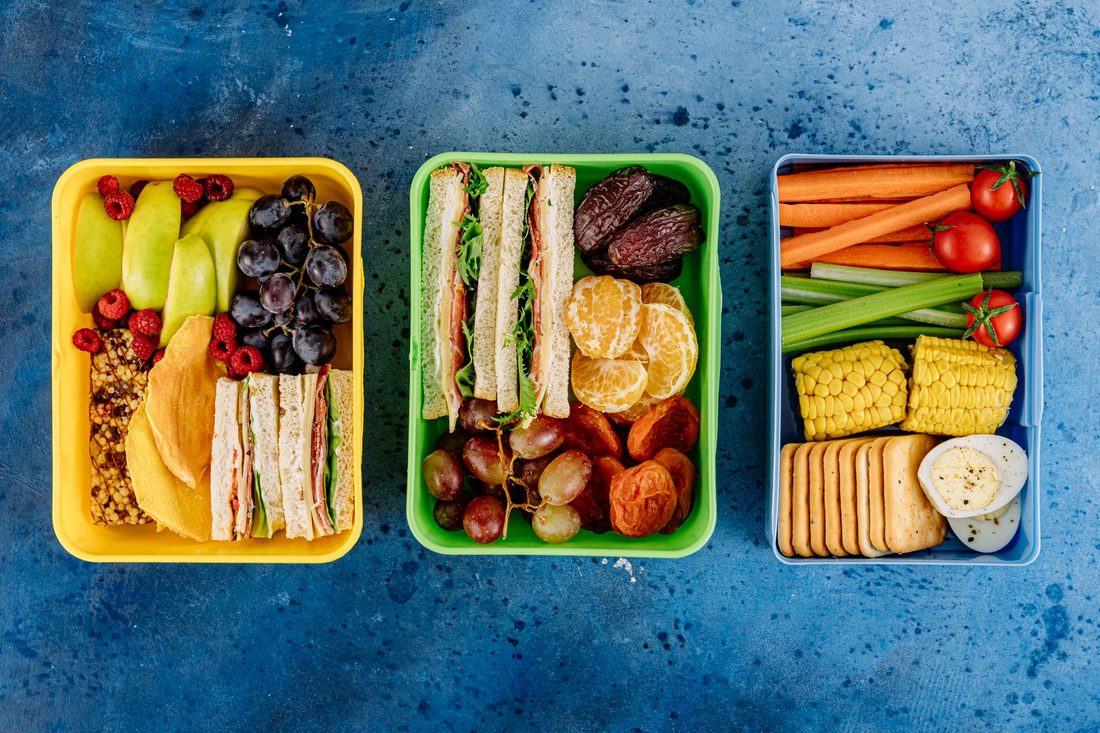
A good lunch box has three components: something substantial, a fruit or vegetable, and a drink.
Something substantial
- A cheese sandwich on wholemeal bread
- A boiled egg
- Home-made savoury pastry or plain cake (low in sugar)
- A small wrap with cheese and olives
Fruit and vegetables
- Seasonal fruit (apple, mandarin, grapes)
- Sliced carrot, cucumber, cherry tomatoes
A drink
- Water (always)
- Milk or ayran
For the snack break
- A handful of nuts (whole nuts are not given to children under four — they carry a choking risk)
- Dried fruit, in small amounts
What Should Not Go In
| Not suitable | Why |
|---|---|
| Cream-filled biscuits, wafers, packaged cake | Energy that rises and falls fast; flagging before lunch |
| Fruit juice, fizzy drinks | No fibre, concentrated sugar, no satiety |
| Crisps and salty packaged foods | High in salt, low in nutritional value |
| Mayonnaise-based preparations | Risk of spoiling while the box waits |
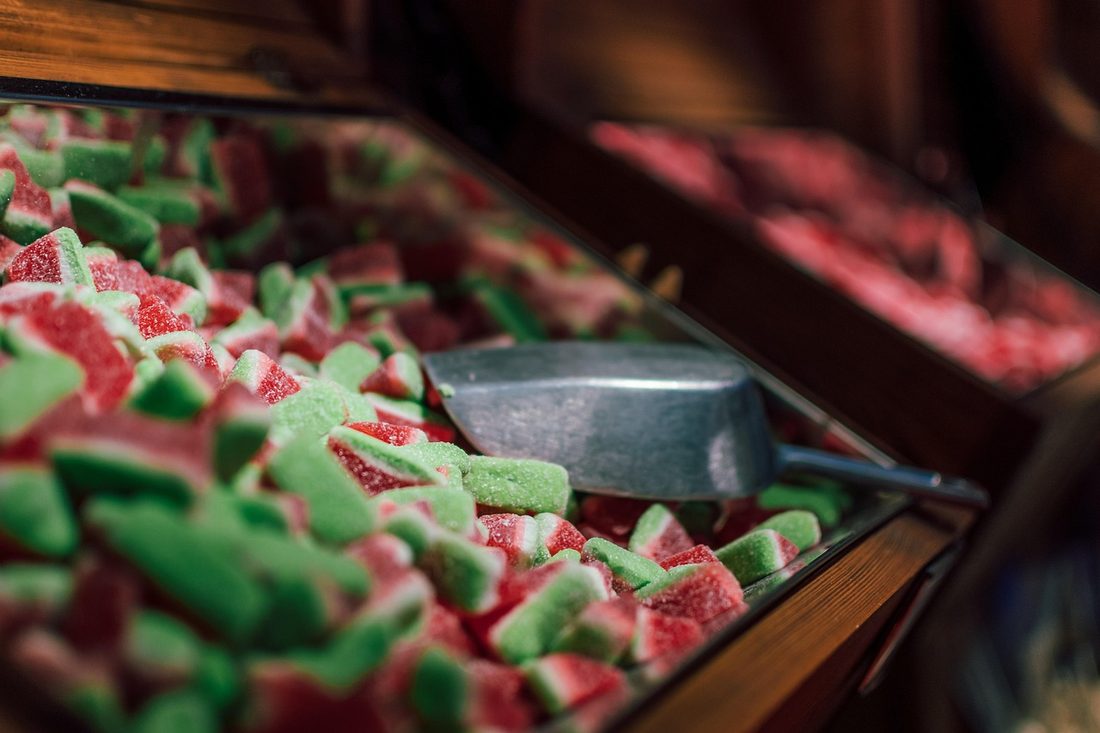
| Chocolate, sweets | Dental decay and disruption of meal patterns |
This is not a list of things that are never allowed; it is a list of things that do not belong in a lunch box. Eating them at home, after a meal, in controlled amounts is a separate matter.
Practical Notes
Keeping. At the end of summer and in early autumn it is still warm. An insulated bag and a small ice pack can be used for cheese and egg preparations. Food prepared in the morning has to stay in suitable condition until midday.
Squashing. Fruit and sandwich sent in separate compartments or sealed containers are far more likely to be eaten. A child will not eat a squashed sandwich.
Portion. Sending too much can result in the child eating none of it. Break is short; small, easy-to-eat pieces are preferred.
Choice. Deciding together what goes in the box markedly increases how much is eaten. You set the options; the child makes the choice.
The Tuck Shop Question
Banning it outright usually backfires: the forbidden food becomes more attractive, the child buys it secretly and the subject can no longer be discussed openly.
A better-working approach is to leave one day a week free and stick to the packed box on the others. That makes the rule sustainable.
What may be sold in school tuck shops is restricted by regulation, so more suitable options may also be available at your child's school. Teaching a child what to choose at the tuck shop is more realistic than expecting them never to choose at all.
Do Not Forget Water
Drinking water at school does not occur to most children. Some deliberately avoid it because they do not want to go to the toilet during lessons.
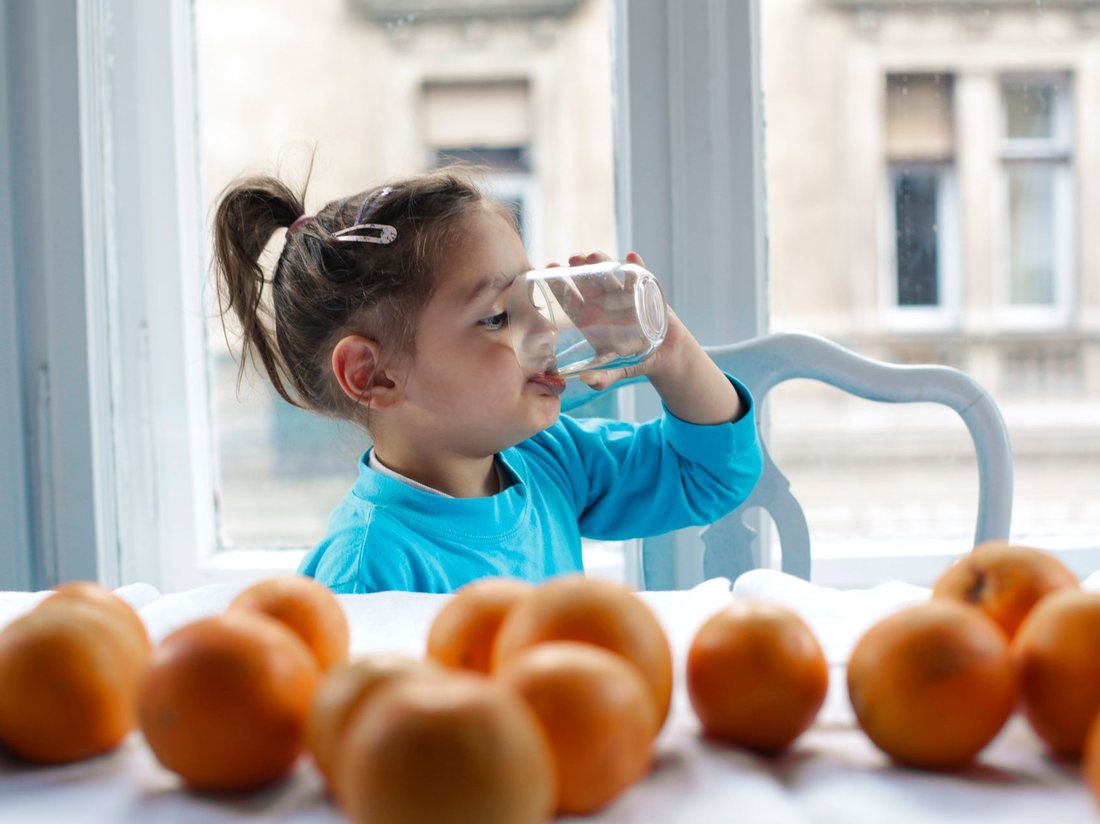
A child with their own water bottle drinks more. Reminding them to drink at break matters particularly on hot days and on days with PE.
If the Box Comes Back Full
Find the reason before assigning blame:
- Break may be too short
- Playing may have been more attractive than eating
- Friends may be buying from the tuck shop and the child wants to fit in
- The food may have been squashed, warm or unappealing
- They genuinely may not like it
Each has a different solution. Talking and finding an alternative together works better than insisting on the same thing.
When to See a Doctor
If, despite an established lunch box routine:
- The child is constantly tired
- They are not gaining weight, or are losing it
- They fall ill often
- They have marked difficulty with learning and attention
There may be conditions that need assessment, iron deficiency chief among them. In school-age children iron deficiency is a common but easily missed cause of tiredness and attention problems.
Frequently Asked Questions
The commonest cause of a poor morning appetite is getting up late and rushing. Waking the child fifteen minutes earlier often solves it. Where there is no appetite at all, look at how late and how heavy the evening meal is. If nothing else is possible, a small start with milk, ayran or a slice of cheese is better than nothing.
Packaged sweet products (cake, wafers, cream-filled biscuits), fruit juice and fizzy drinks, crisps and similar salty packaged foods, and mayonnaise-based preparations that spoil quickly. These give energy that rises and falls fast, which leads to flagging before lunchtime.
No. Juicing removes the fibre and concentrates the sugar. A glass of fruit juice contains the sugar of several pieces of fruit but does not satisfy hunger. Whole fruit is preferred; it can be sent sliced in a sealed container.
Ask why first: is break too short, is it spent playing, are friends buying from the tuck shop, does the food arrive squashed? Rather than insisting on sending the same thing, choosing together from options the child likes but that are still suitable works better.
Banning it outright often backfires and makes the food more attractive. Allowing one day a week makes it easier to stick to the packed box on other days. What may be sold in school tuck shops is restricted by regulation, so more suitable options can also be found there.
📅 Book an appointment for your child's health
Book an online appointment with Specialist Dr. Hasan Keleş in Gaziantep — instant confirmation.
Book an Appointment Online