 Uzm. Dr. Hasan Keleş
- June 28, 2026
- 2 min read
- Digestive System
- — reads
Rotavirus is the world's leading cause of severe diarrhea in children under 5 years of age. In the pre-vaccine era, nearly every child encountered rotavirus by the age of 5; the illness runs a particularly severe course between 6 and 24 months.
Symptoms
- Sudden onset of vomiting and fever
- Followed by profuse, watery, frequent diarrhea (which may occur 10–20 times a day)
- The illness can last 5–8 days; the greatest risk is dehydration (loss of body fluids)
Transmission
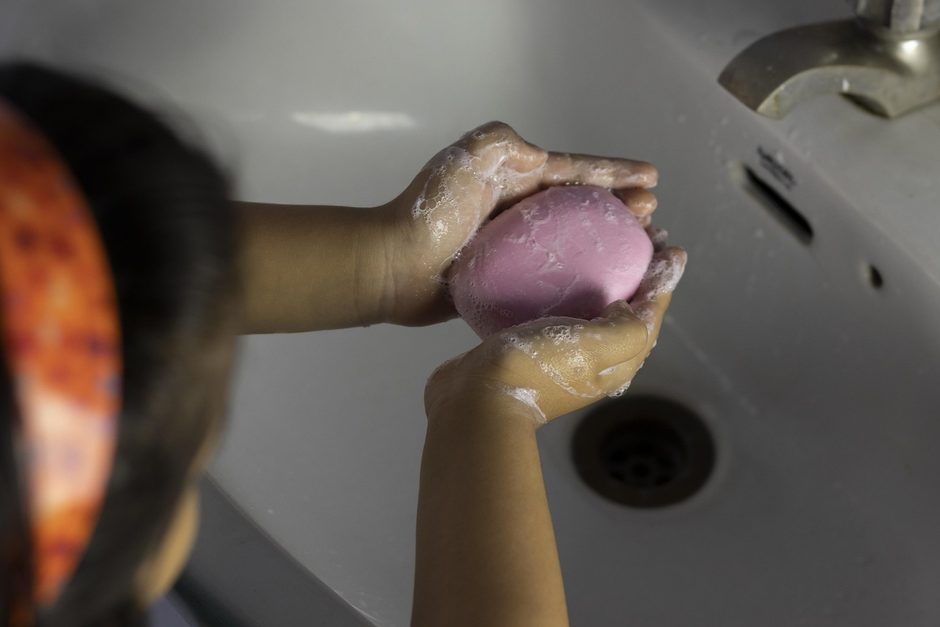
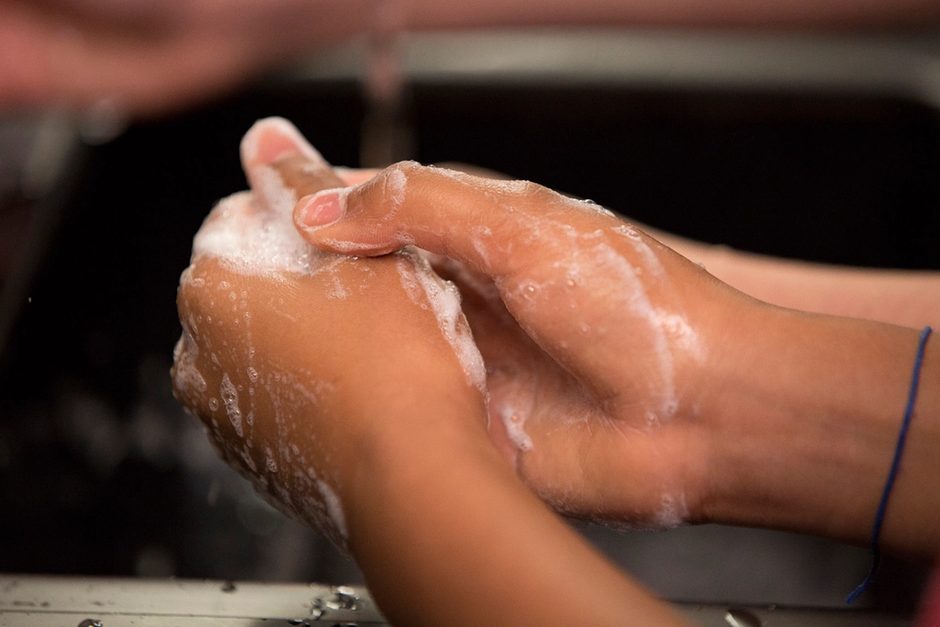
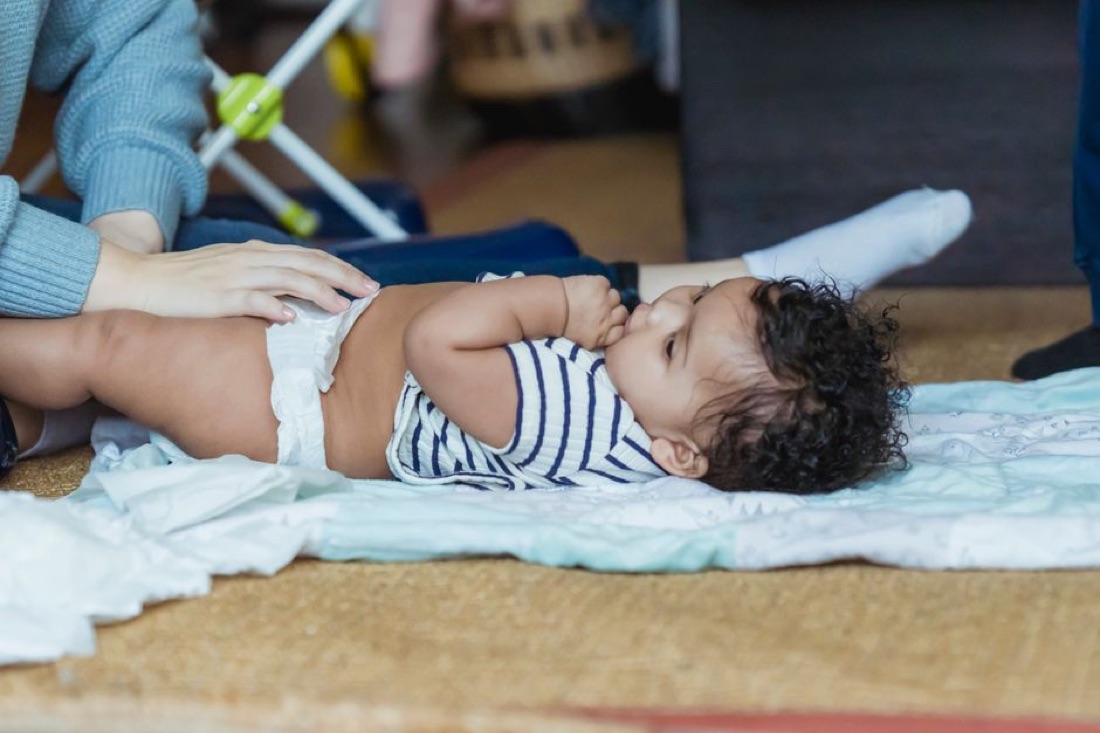
It spreads extremely easily via the fecal-oral route and rapidly throughout daycare centers. Hands must always be washed after changing a sick child's diaper; the virus can survive on surfaces for days.
Treatment
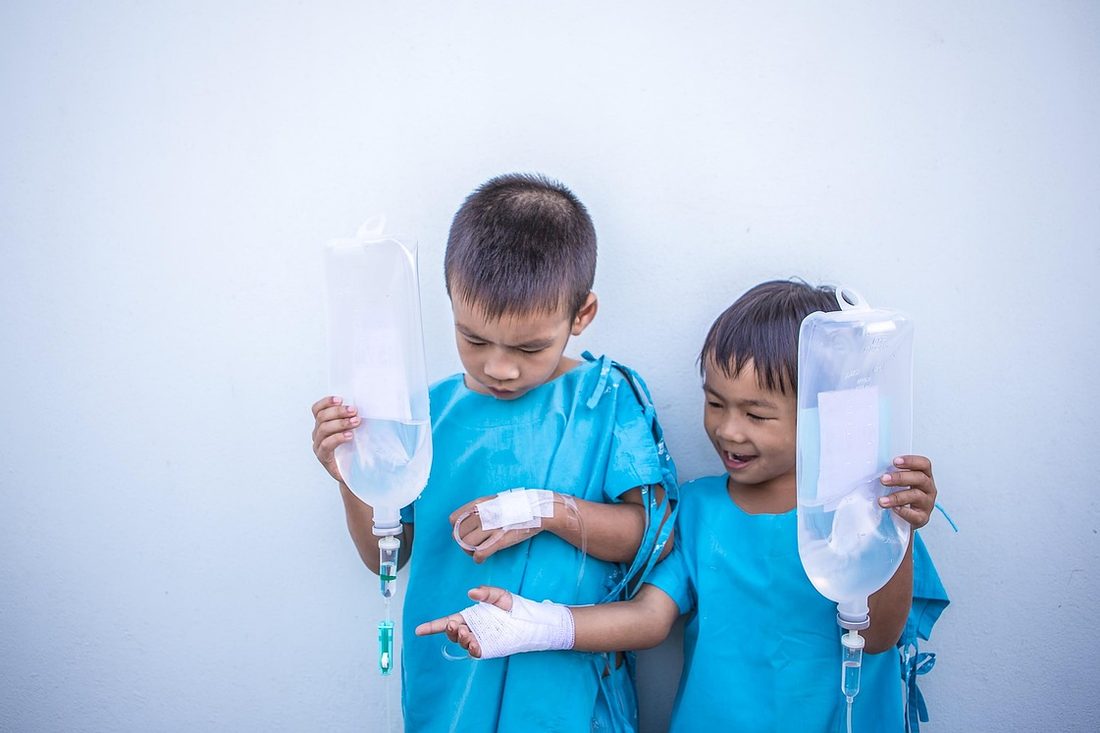
Antibiotics are ineffective. The cornerstone of treatment is fluid therapy: breastfeeding is continued, and ORS (oral rehydration solution) is given frequently in small sips. With a doctor's recommendation, zinc supplementation can shorten the duration of the diarrhea. Babies who develop signs of dehydration or who cannot keep fluids down due to vomiting are admitted to the hospital for intravenous fluids.
Rotavirus Vaccine
The rotavirus vaccine, given orally as drops, largely prevents severe diarrhea and hospital admissions. The first dose should be started between weeks 6 and 12 and, depending on the vaccine schedule, must be completed before week 24 (before week 32 with some vaccines) — if this age window is missed, the vaccine cannot be given, which is why it is important to plan for it during the newborn period. The rotavirus vaccine is administered at our clinic.
📅 Online appointment for your child: Specialist Dr. Hasan Keleş — appointment page
Related articles: Diarrhea and vomiting · Gastroenteritis · Vaccination schedule
This article is for general information purposes only; it does not replace diagnosis and treatment. For any concerns about your child's health, be sure to consult a pediatric health and diseases specialist.
Uzm. Dr. Hasan Keleş — Specialist in Pediatric Health and Diseases, Gaziantep
Frequently Asked Questions
Yes, but subsequent infections run a noticeably milder course.
In our country, the rotavirus vaccine is among the private (non-reimbursed) vaccines; we can discuss the details during the examination.
📅 Book an appointment for your child's health
Book an online appointment with Specialist Dr. Hasan Keleş in Gaziantep — instant confirmation.
Book an Appointment Online