Summarise with AI
- Uzm. Dr. Hasan Keleş
- October 21, 2026
- 3 min read
- Digestive System
- — reads
Norovirus, also known as the "winter vomiting bug", is a highly contagious cause of stomach and bowel infection. It can occur at any time of year, but according to the US Centers for Disease Control and Prevention (CDC), outbreaks in the northern hemisphere are most common from November to April. It spreads quickly in nurseries, schools and crowded family settings; within a few days everyone at home may fall ill.
What are the symptoms?
Symptoms usually begin 12–48 hours after contact with the virus, and they often start suddenly:
- Nausea and vomiting (often the first sign in children)
- Watery diarrhoea
- Stomach pain and cramps
- Mild fever, headache, muscle aches and tiredness
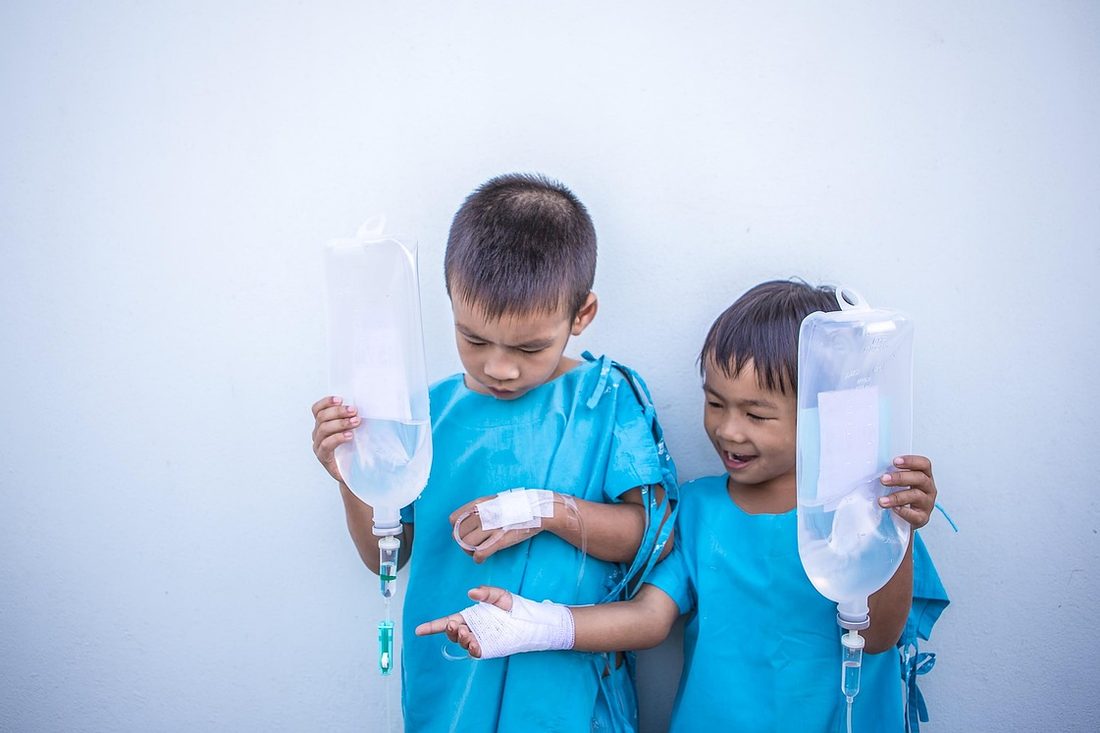
In most children the illness lasts 1–3 days and gets better on its own. The real risk is not being able to replace the fluid lost through vomiting and diarrhoea. According to the CDC, children under 5 are at higher risk of severe illness and dehydration.
How does it spread?
Norovirus spreads through the stool and vomit of an infected person. The main routes are:
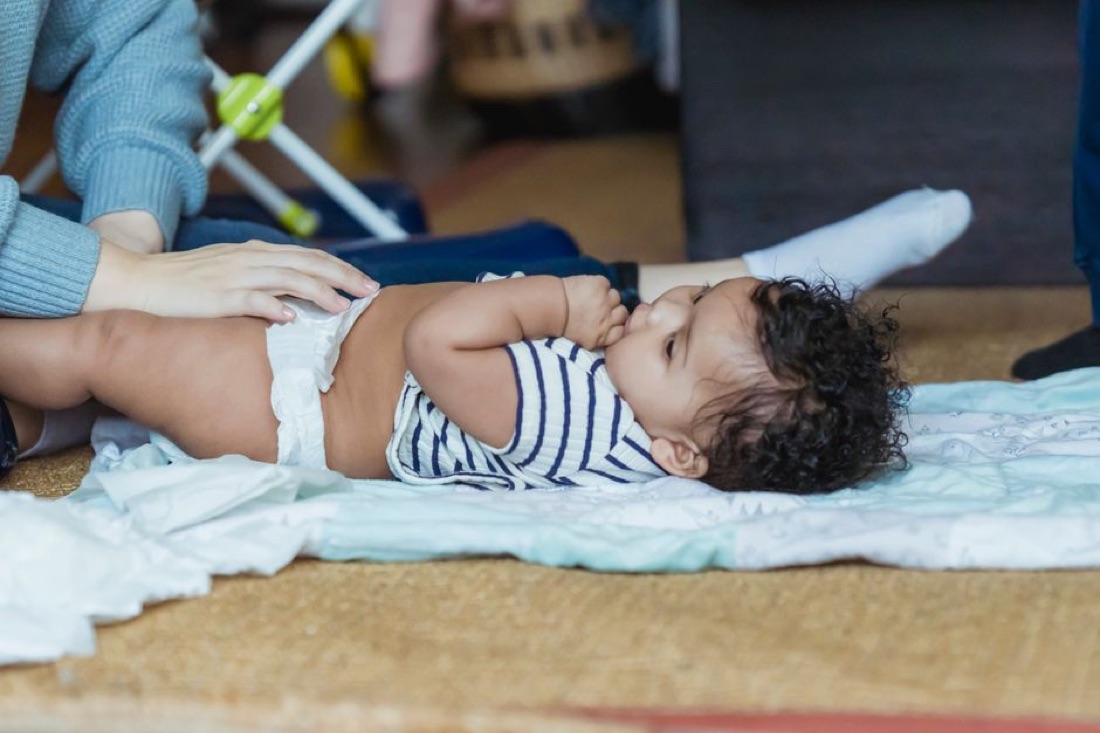
- Close contact with a sick child, changing nappies, sharing the same plate or cup
- Touching contaminated surfaces (door handles, toys, taps, toilets) and then putting the hand to the mouth
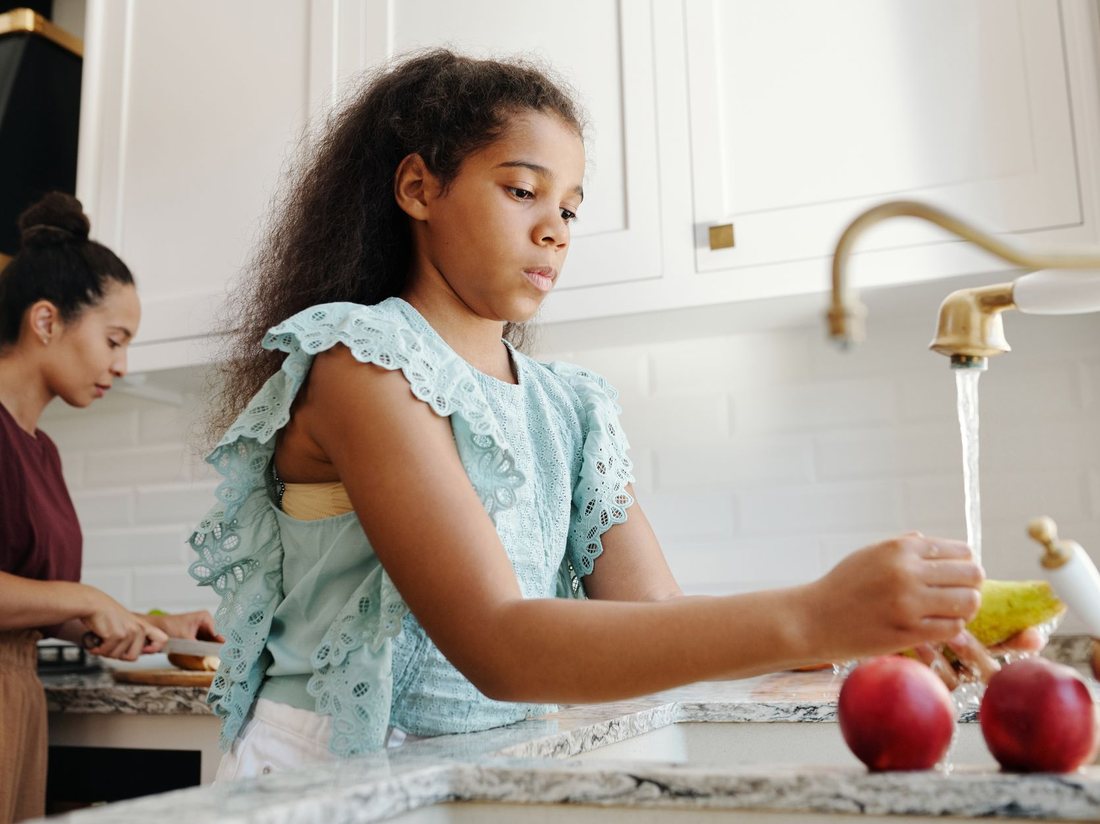
- Food prepared by an infected person, undercooked shellfish, and fruit and vegetables that have not been washed well
- Droplets released into the air during vomiting
The virus can survive on surfaces for a long time, and even a very small amount can cause illness. According to the CDC, a person can shed the virus in their stool for 2 weeks or more after feeling better, so hand hygiene should continue after recovery.
How is it different from rotavirus?
The rotavirus vaccine does not protect against norovirus, and there is no norovirus vaccine in the immunisation schedule. Because norovirus has many different types, a child can have it more than once in their life. For rotavirus see rotavirus diarrhoea, and for general information see our article on stomach and bowel infection (gastroenteritis).
Care at home: fluids are the key treatment
There is no specific medicine for norovirus; antibiotics have no effect on viruses. The basis of treatment is preventing fluid loss:
- If your child is vomiting, give fluid in small sips every few minutes; drinking a lot at once can trigger more vomiting.
- Keep breastfeeding; do not make formula more diluted than usual.
- The oral rehydration solution (ORS) your doctor recommends is the most effective way to replace lost water and salts. Shop-bought fruit juice, cola and fizzy drinks can make diarrhoea worse.
- Once vomiting eases, move on to light foods your child can manage; do not keep them hungry for long.
- Anti-diarrhoea medicines are not given to children unless a doctor advises it.
When should you seek help without waiting?
- Being unable to keep any fluids down, or vomiting that has gone on for hours
- Signs of dehydration: clearly less urine (no wet nappy for 6–8 hours in a baby), no tears when crying, a dry mouth, sunken eyes or a sunken soft spot, unusual sleepiness
- Green or bloody vomit, bloody diarrhoea
- Severe tummy pain, or pain focused in one spot (appendicitis in children)
- Vomiting and diarrhoea in a baby under 6 months
- Vomiting for more than 2 days or diarrhoea for more than 7 days
We explain how to recognise dehydration in detail in our article on fluid loss in children.
Stopping it from spreading at home
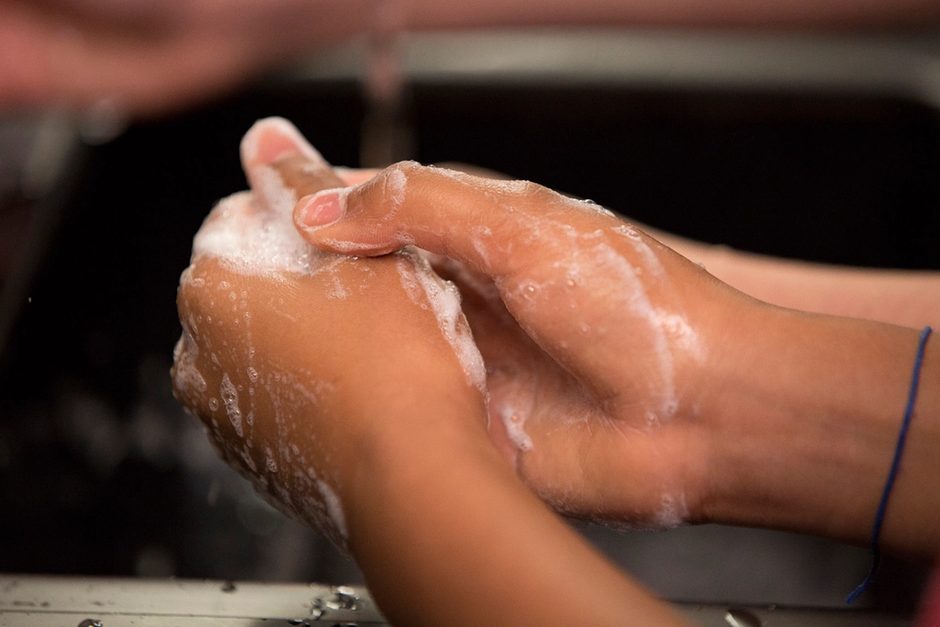
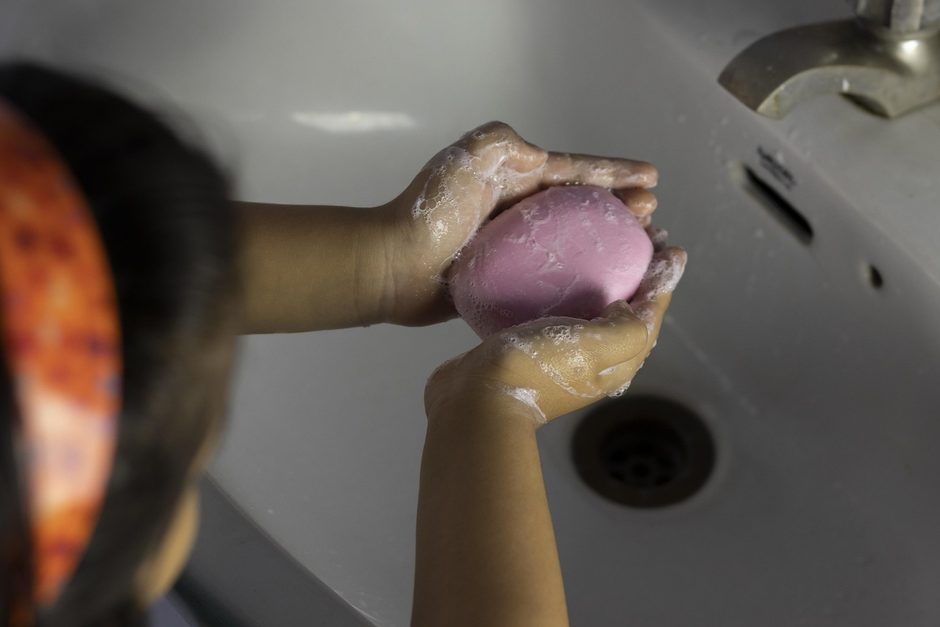
- Wash hands with soap and water for at least 20 seconds: after using the toilet and changing nappies, and before preparing or eating food. According to the CDC, alcohol hand gel does not work well against norovirus and is no substitute for washing with soap.
- Clean surfaces soiled with vomit or stool while wearing gloves; then disinfect them with a bleach-based cleaner, following the dilution on the product label, and air the room.
- Wash soiled clothes and bedding without shaking them, separately from other laundry, at a high temperature (the NHS recommends 60 °C).
- Keep the sick child's towel, plate and cup separate.
- A person who has recovered should not prepare food for others for at least 2 days after symptoms stop.
When can your child return to school or nursery?
The UK National Health Service (NHS) recommends not going to school or nursery until 2 days (48 hours) after vomiting and diarrhoea have stopped. This period covers the time when the risk of passing it on to other children is highest. If diarrhoea keeps coming back or weight gain stalls, the growth chart is reviewed together during well-child visits. You can book an appointment at Özel Düztepe Yaşam Hospital in Şahinbey, Gaziantep.
Frequently Asked Questions
Symptoms usually start 12 to 48 hours after contact with the virus and, in most children, pass within 1 to 3 days. A child may keep shedding the virus in their stool for some time after recovering, so careful handwashing should continue.
It spreads through the stool and vomit of an infected person: close contact, touching contaminated surfaces and then the mouth, food prepared by an infected person and droplets released into the air during vomiting are the main routes.
There is no specific medicine for norovirus, and antibiotics do not work. The most important thing is to prevent fluid loss: frequent small sips of fluid, continued breastfeeding and the oral rehydration solution (ORS) your doctor recommends. Anti-diarrhoea medicines are not given to children unless a doctor advises it.
According to the US Centers for Disease Control and Prevention (CDC), alcohol-based hand sanitisers do not work well against norovirus. Hands should be washed with soap and water for at least 20 seconds; sanitiser can only be an extra measure.
It is recommended that the child stays at home for 2 days (48 hours) after vomiting and diarrhoea have completely stopped. This period covers the time when the risk of passing it on to other children is highest.
📅 Book an appointment for your child's health
Book an online appointment with Specialist Dr. Hasan Keleş in Gaziantep — instant confirmation.
Book an Appointment Online