Summarise with AI
- Uzm. Dr. Hasan Keleş
- October 20, 2026
- 3 min read
- Respiratory and Allergy
- — reads
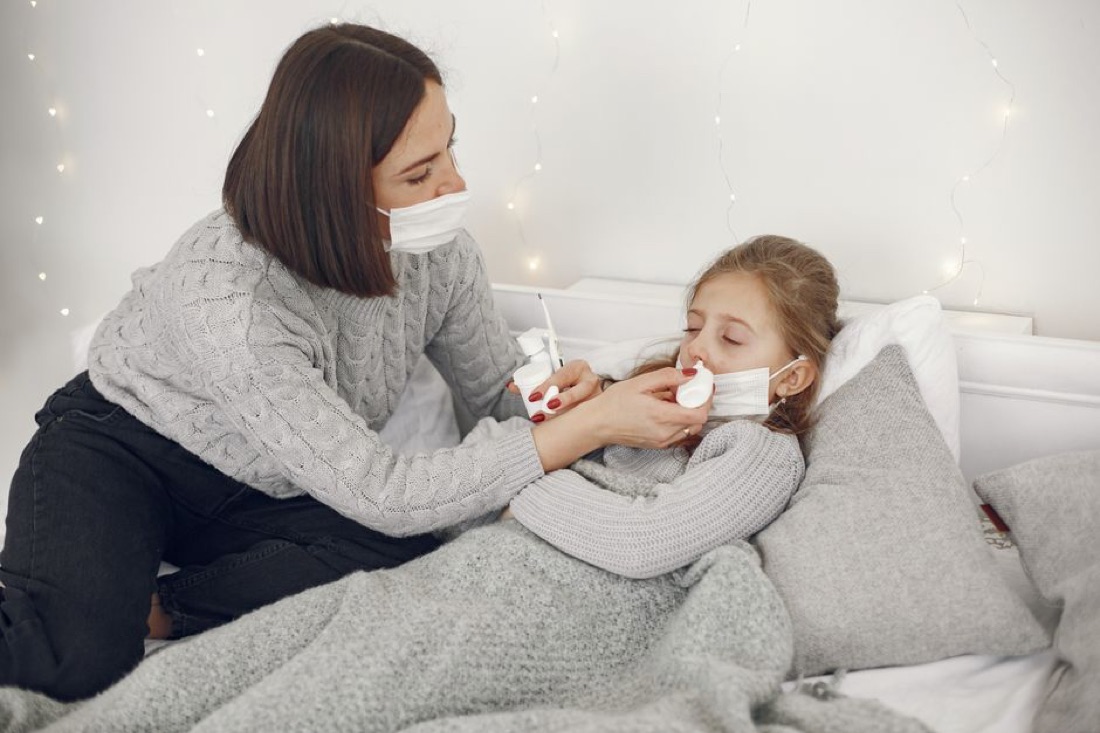
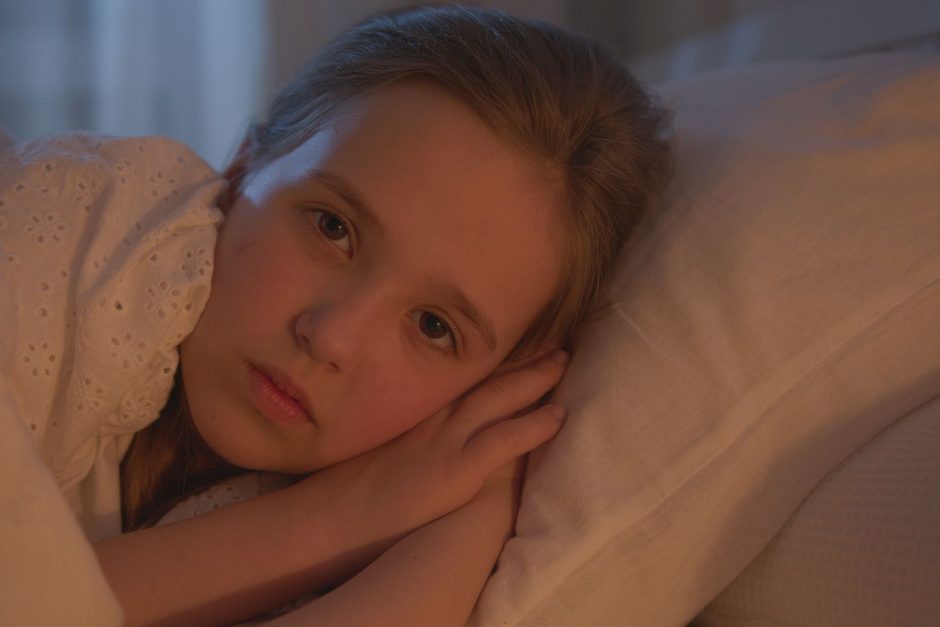
A child who hardly coughs during the day but starts coughing as soon as they get into bed is one of the most common concerns parents raise in autumn and winter. A night cough disturbs the sleep of both the child and the family, yet most of the time it is part of a passing cold. In this article we explain why coughing gets worse at night, what helps at home and when your child should be seen without delay.
Why does coughing get worse at night?
When a child lies down, mucus from the nose and the back of the nose drips down the throat (postnasal drip) and triggers the cough reflex. A blocked nose leads to more mouth breathing, and in rooms heated by radiators or stoves the air becomes dry, which irritates the throat. During the day, talking, playing and swallowing clear the mucus; during sleep this clearing slows down. That is why the same illness sounds noisier at night than during the day.
The most common causes
- Colds and upper respiratory infections: These are the most common cause during the school and nursery season. The cough usually starts with a runny nose and may continue for a while after the other symptoms have gone. For details, see our article on colds in children. Nasal discharge thickening and turning green within a few days can be part of this course; winter viruses such as HMPV, which resembles RSV, cause the same picture.
- Sinusitis and enlarged adenoids: If long-lasting postnasal drip comes with snoring and sleeping with the mouth open, sinusitis or enlarged adenoids should be considered.
- Asthma: A dry cough that returns at night or in the early morning, and coughing or wheezing that gets worse with running, cold air or laughing, are clues to asthma. In some children a night cough may be the only sign. See asthma in children.
- Allergic rhinitis: Allergens in the bedroom, such as house dust mites, can increase nasal mucus and lead to a night cough (allergic rhinitis).
- Croup: A barking cough and a hoarse voice that usually start suddenly at night are the typical picture of croup (croup).
- Whooping cough: Coughing fits that come one after another and end with a deep, noisy in-breath or vomiting suggest whooping cough (whooping cough).
- Reflux and smoke: Stomach contents rising into the food pipe can contribute to a night cough in some children. Smoking at home or smoke from a stove also irritates the airways.
What helps at home?
- Plenty of fluids: Water and lukewarm drinks loosen mucus. Do not give hot drinks to young children.
- Nose care: Clearing the nose with saline drops before sleep reduces postnasal drip (using saline drops).
- Honey, only after age 1: The American Academy of Pediatrics (AAP) notes that in children older than 1 year a small amount of honey before bed can reduce how often they cough at night. Honey must never be given to babies under 1 year, because of the risk of infant botulism.
- Room air: Do not overheat the room, and air it before bedtime. If the air is very dry, a well-cleaned humidifier can be used. We explain the right room temperature for babies in what temperature should a baby's room be.
- Avoid smoke and allergens: No smoking at home or in the car; wash bedding regularly.
- Raising the head slightly: An extra pillow may help older children. Babies, however, should not have a pillow; a baby sleeps on their back on a flat, firm surface.
Should cough syrup be given?
Over-the-counter cough and cold medicines are not recommended for young children: the AAP does not recommend them under 4 years, and between 4 and 6 years advises using them only if a doctor recommends it. Coughing is a protective reflex that clears the airways; the aim is not to suppress the cough but to find its cause. Antibiotics do not work against viral infections (antibiotic use in children). Whether any medicine is needed is decided by a doctor after an examination.
When should you see a doctor?
Fast or laboured breathing, the skin pulling in below the ribs, flaring nostrils
Blue lips or face
Wheezing or noisy breathing even at rest
A cough that starts after swallowing something or choking (choking and foreign bodies in babies)
Fever in a baby under 3 months
A cough lasting longer than 3–4 weeks
A cough or wheeze that returns almost every night or gets worse with exercise
Coughing fits, or vomiting after coughing
A high fever or fever lasting more than 3 days, ear pain, or a clear drop in feeding
Weight loss or night sweats
For a recurring night cough, an assessment for asthma and allergy is important; you can read more on our paediatric allergy page. You can book an appointment at Özel Düztepe Yaşam Hospital in Şahinbey, Gaziantep.
Frequently Asked Questions
When a child lies down, mucus from the nose drips down the back of the throat, air in rooms heated by radiators or stoves gets dry, and mucus is cleared less during sleep. The most common cause is a cold. If the cough comes back almost every night or lasts for weeks, your child should be examined for asthma, allergy and sinusitis.
In children older than 1 year, a small amount of honey before bed can ease a night cough; the American Academy of Pediatrics recommends this. Honey must never be given to babies under 1 year, because it can cause infant botulism.
A cough caused by a cold usually eases within a few days to a few weeks; the UK National Health Service (NHS) notes that a cough usually clears up within 3 to 4 weeks. A cough lasting more than 4 weeks is considered prolonged and needs a medical check.
Over-the-counter cough and cold medicines are not recommended for children under 4; between 4 and 6 years they are used only if a doctor advises it. Suppressing a cough with syrup before its cause is known is not the right approach; the decision about medicine is made after an examination.
Fast or laboured breathing, the skin pulling in below the ribs, blue lips, noisy breathing even at rest, a cough that starts after swallowing something and fever in a baby under 3 months all need urgent care without waiting.
📅 Book an appointment for your child's health
Book an online appointment with Specialist Dr. Hasan Keleş in Gaziantep — instant confirmation.
Book an Appointment Online