 Uzm. Dr. Hasan Keleş
- October 11, 2026
- 3 min read
- Newborn
- — reads
When winter comes, one of the questions parents ask most is: "Is my baby cold?" More often the problem is not being cold but the opposite — overheating. Babies who are dressed in layer upon layer, wrapped in thick blankets or put to sleep near a stove sleep worse, and the risk rises too. According to the UK National Health Service (NHS), too many clothes, too much bedding or a room that is too warm can make a baby overheat, and this increases the risk of sudden infant death syndrome (SIDS).
What temperature should a baby's room be?
- NHS: A sleeping baby's room should be kept at about 16-20 °C, and the temperature checked with a room thermometer.
- American Academy of Pediatrics (AAP): Rather than a specific figure, it recommends dressing the baby for the environment and, during sleep, in no more than one layer more than an adult would wear to be comfortable in that room.
A practical guide: if you walk into the room in light clothing and feel neither cold nor sweaty, the room is right. In homes heated by a stove the temperature can vary greatly during the day; a room that overheats in the evening and cools towards morning is hard to judge without a thermometer.
How to dress a baby in winter
| Setting | Recommendation |
|---|---|
| Indoors, daytime | No more than one layer more than an adult; thin, cotton layers |
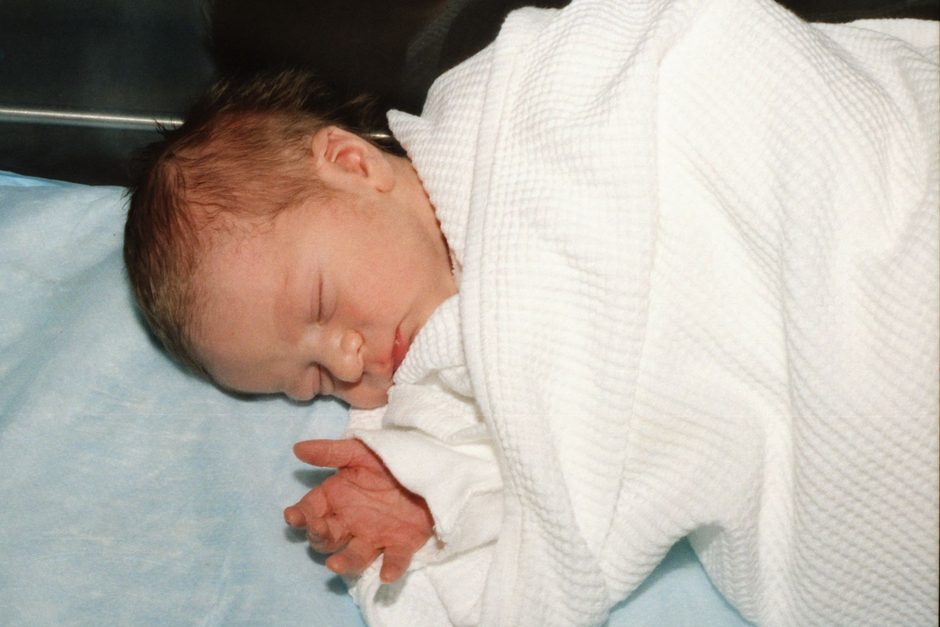
| Sleep | A vest or sleepsuit plus a baby sleeping bag suited to the season, or a thin, light blanket |
| Outdoors | Several thin layers, hat, mittens and socks; a pushchair cover against the wind |
| Car | Take off the thick coat in the car seat; after buckling up, lay a blanket over the harness |
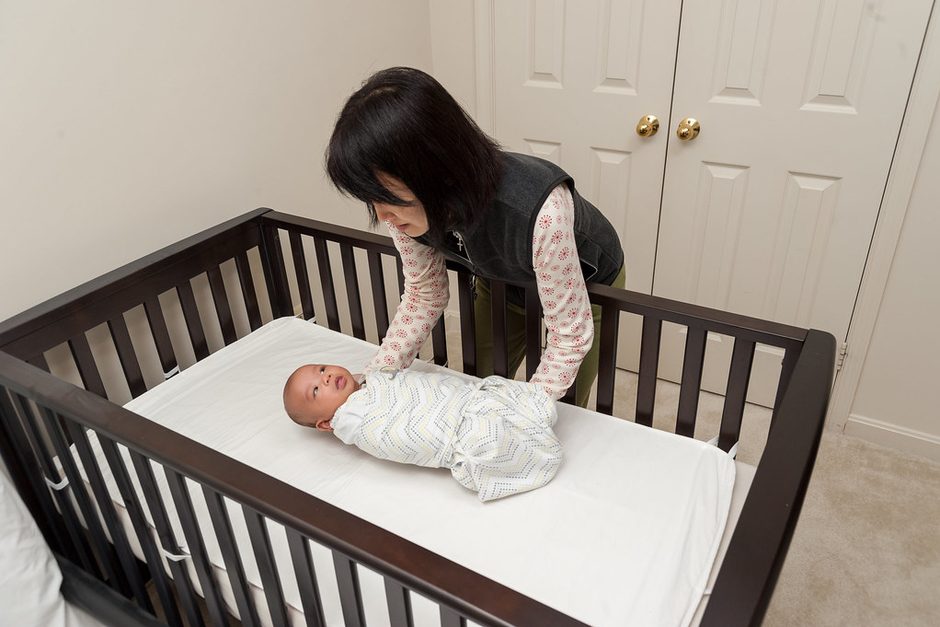
If a blanket is used, place the baby with their feet touching the foot of the cot and tuck the blanket in no higher than the shoulders. In the car, a thick coat stops the harness from fitting the body; see our article on car seat safety for details.
How to check your baby's temperature
A baby's hands and feet are often cool; this is normal and does not mean the baby is cold. The right check is to feel the back of the neck or the chest:
- Warm and dry: The clothing is right.
- Sweaty, flushed, damp hair: Remove a layer and air the room. Heat rash is also common in overheated babies.
- Cool and pale: Add a layer.
Safe sleep rules apply in winter too
- The baby sleeps on their back on a bare, firm mattress; no pillows, duvets, thick blankets, cot bumpers or soft toys in the cot.
- No hat or head covering during sleep indoors; take off hats and extra layers when coming indoors or getting into the car.
- The cot is not placed next to a stove, radiator or heater; no hot water bottles or electric blankets.
- In homes with stoves or gas water heaters, take precautions against carbon monoxide poisoning: put the stove out before going to sleep and air rooms regularly.
A baby with a fever is different
Dressing a feverish baby warmly "to sweat the fever out" traps the heat. A baby with a fever should be dressed lightly; details are in our article on how to bring down a baby's fever.
Can a baby be taken outside in winter?
A healthy baby dressed for the weather can go for short walks in winter too. On very cold, windy days or when air pollution is high, keep outings short. In the first months, crowded indoor places such as shopping centres and busy family visits increase the risk of catching respiratory infections. When you come home, take off hats and thick clothing straight away.
When should you see a doctor?
- A temperature of 38 °C or higher despite dressing the baby lightly; in a baby under three months, a fever should always be assessed the same day
- Very cold, pale skin, difficulty waking the baby or a marked drop in feeding
- Fast or laboured breathing
Temperature control is more delicate in babies born prematurely or with a low birth weight; you can get advice tailored to your baby during newborn follow-up visits. You can book an appointment at Özel Düztepe Yaşam Hospital in Şahinbey.
Frequently Asked Questions
The UK National Health Service (NHS) recommends keeping a sleeping baby's room at about 16-20 °C and checking it with a room thermometer. The American Academy of Pediatrics (AAP), rather than giving a specific figure, stresses dressing the baby for the environment and avoiding overheating. The guide is a room in which a lightly dressed adult feels comfortable, neither hot nor cold.
Cool hands and feet are normal and are not a sign of being cold on their own. Feel the back of your baby's neck or chest: if it is warm and dry, the temperature is right; if it is sweaty and very warm, remove a layer; if it is cool, add one.
Sweating during sleep usually means the baby is overdressed or the room is too warm. Remove a layer of clothing or bedding and air the room. If sweating comes with fever, reduced feeding or breathing difficulty, the baby should be seen by a doctor.
No. Babies lose excess heat largely through the head and face. The NHS advises removing hats and extra clothing as soon as you come indoors or get into a car, even if this wakes the baby. Head coverings should not be used during sleep indoors.
A healthy baby dressed for the weather can be taken out for short periods. In very cold, windy weather keep outings short, and in the first months avoid crowded indoor places as much as possible. For premature babies or those with a chronic illness, ask your doctor.
📅 Book an appointment for your child's health
Book an online appointment with Specialist Dr. Hasan Keleş in Gaziantep — instant confirmation.
Book an Appointment Online