 Uzm. Dr. Hasan Keleş
- October 17, 2026
- 3 min read
- Safety and First Aid
- — reads
As the weather turns cold, stoves are lit and gas water heaters and boilers run for longer. The stove poisonings we see in the news every winter are a largely preventable danger. The gas responsible is carbon monoxide (CO): it is produced when fuels such as coal, wood, natural gas or bottled gas do not burn completely; it is colourless and odourless and builds up without warning.
Why are children more vulnerable?
According to the US Centers for Disease Control and Prevention (CDC), carbon monoxide is dangerous for everyone, but infants, older people and those with heart disease, anaemia or breathing problems are affected more easily. Children breathe faster relative to their body size. In addition, a large share of poisonings at home happen during sleep, and a sleeping person cannot notice the symptoms.
Where does carbon monoxide come from?
- Coal and wood stoves with a blocked chimney or poor draught
- Gas water heaters in poorly ventilated bathrooms
- Poorly maintained combi boilers and gas appliances
- Charcoal grills, coal and bottled-gas heaters used indoors
- Vehicles and generators left running in a closed garage
Signs of stove poisoning
The early signs are easily mistaken for flu or a stomach upset:
- Headache and dizziness
- Nausea, vomiting
- Weakness, drowsiness, restlessness
- In babies, unexplained crying and refusing feeds
- Chest pain, shortness of breath, confusion
- In severe cases, fainting, seizures and loss of consciousness
An important clue: several people in the home having similar complaints at the same time and feeling better after leaving the house. A headache that starts in the morning and eases when outdoors during the day is also a warning sign (see headache in children).
The often-mentioned "cherry-red skin" is a rare and late finding; normal-looking skin does not rule out poisoning.
First aid: what to do
- Get into fresh air immediately. Take the child and everyone in the home outside; open doors and windows if possible. Do not linger inside to switch off appliances.
- Call 112, even if the symptoms seem mild.
- Place an unconscious child who is breathing on their side; if they are not breathing, start basic life support (see first aid for children).
- Do not go back into the home or restart the stove or appliance until it has been checked by the authorities.
In hospital, the mainstay of treatment is high-flow oxygen; in some severe cases hyperbaric oxygen treatment may be needed. A child whose symptoms have passed should still be assessed, because delayed effects such as headache and problems with attention and memory can appear days or weeks after poisoning. For advice, Turkey's National Poison Information Centre can also be reached on 114. For other poisonings, such as medicines and cleaning products, see our article on poisoning in children.
Prevention: a pre-winter checklist
- Have the chimney swept and checked before every winter by a qualified person; the joints of the flue pipes must not leak.
- Put the stove out before going to bed and do not add fuel just before sleep; do not try to keep it burning through the night by closing down the air supply.
- On days with strong winds, especially the southerly lodos, flue gases can blow back; take extra care on these days.
- Bathrooms with gas water heaters need adequate ventilation, and the appliance's flue and connections should be checked by an authorised service. If dizziness or headache starts in the bathroom, leave straight away.
- Have combi boilers and gas appliances serviced every year by an authorised service.
- Do not use charcoal grills, coal or bottled-gas heaters to heat closed spaces.
- Fit a carbon monoxide detector that also runs on batteries near the bedrooms, and check its batteries regularly.
- Do not leave a car running in a closed garage.
- Keep the room where your baby sleeps at a suitable temperature rather than overheating it with the stove: see baby room temperature.
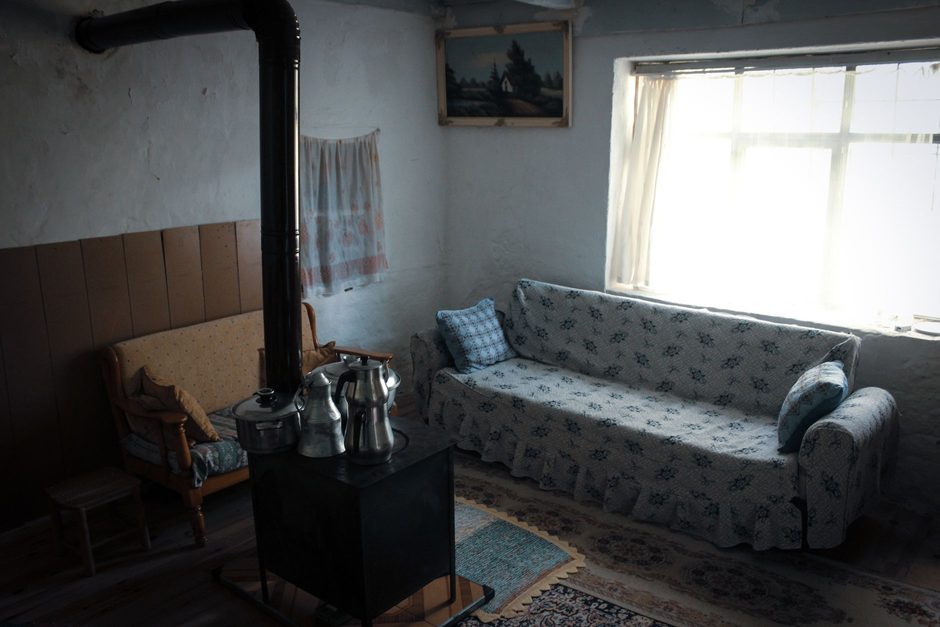
- Keep children away from the stove and the teapot on top of it; for burns, read our article on first aid for burns in children.
If your child has unexplained complaints in winter such as recurring headaches and tiredness, you can book an appointment at Özel Düztepe Yaşam Hospital in Şahinbey. In an emergency, call 112.
Frequently Asked Questions
Headache, dizziness, nausea, vomiting, weakness and drowsiness are the most common early signs and resemble flu or a stomach upset. Several people in the home having similar complaints at the same time, and feeling better after leaving the house, should raise suspicion of carbon monoxide.
Get the child and everyone in the home into fresh air immediately, open doors and windows if possible, do not linger inside to switch off the appliance, and call 112. Place an unconscious child who is breathing on their side; if they are not breathing, start basic life support. Even if symptoms pass, the child should be assessed by a doctor.
No. Carbon monoxide is a colourless, odourless gas, so it builds up unnoticed. Not smelling the stove or coal does not mean the home is safe. This is why fitting a carbon monoxide detector near bedrooms is recommended.
In strong winds, especially southerly winds such as the lodos, the draught in the chimney can be disrupted and combustion gases can blow back into the room. Using the stove with extra care on windy days, having the chimney swept regularly and putting the stove out before sleep reduce the risk.
The often-described 'cherry-red' skin colour is rare and usually a late finding. Normal-coloured skin does not rule out poisoning; when it is suspected, the diagnosis is made by measuring carboxyhaemoglobin in the blood.
📅 Book an appointment for your child's health
Book an online appointment with Specialist Dr. Hasan Keleş in Gaziantep — instant confirmation.
Book an Appointment Online