 Uzm. Dr. Hasan Keleş
- August 13, 2026
- 7 min read
- Newborn
- — reads
A few days after birth, a few drops of blood are taken from your baby's heel, dropped onto a special filter paper, dried and sent to the laboratory. The procedure takes less than a minute. Yet for some babies this brief procedure can prevent lifelong intellectual disability, severe organ damage or early loss. The heel prick test — known in medicine as the "newborn screening test" and run as a national programme in many countries — is one of the most valuable preventive health practices we have.
So what exactly is this test looking for, why does it matter so much, and what should you do when a repeat sample is requested? Let's look at it step by step.
Why Is the Heel Prick Test Performed?
The logic of newborn screening can be summed up in a single sentence: catch it before symptoms appear.
The diseases screened for share one common feature — the baby looks completely healthy at birth. They feed, cry and sleep; there is nothing a parent could notice. Yet in some of these conditions the brain or other organs begin to be affected irreversibly within weeks. By the time symptoms appear, the damage has already been done.
In these treatable diseases, the difference between starting treatment in the first weeks and starting it a few months later is often the difference between normal development and permanent disability. The screening test exists precisely to gain that window of time.
Which Diseases Are Screened for With the Heel Prick Test in Türkiye?
Under the National Newborn Screening Programme run by the Ministry of Health in Türkiye, several diseases are screened from a single blood sample:
- Phenylketonuria (PKU): The body's inability to break down the amino acid phenylalanine. If it is not recognised early and a special diet is not started, it causes permanent brain damage and severe intellectual disability; with an early-started diet the child can develop normally. Because consanguineous marriage is relatively common in our country, PKU is more frequent here than in many Western countries.
- Congenital hypothyroidism: An inadequately functioning thyroid gland from birth. Thyroid hormone is essential for brain development; with a simple hormone tablet started early the child can develop completely normally, while a delay leads to permanent intellectual impairment.
- Biotinidase deficiency: The inability to use the vitamin biotin. If untreated, seizures, hearing loss, vision loss and developmental delay may occur; the treatment — a daily biotin supplement — is remarkably simple.
- Cystic fibrosis: An inherited disease affecting the lungs and digestive system. Early diagnosis, nutritional support and lung protection markedly improve both life expectancy and quality of life.
- Congenital adrenal hyperplasia (CAH): A disorder in the production of adrenal gland hormones. In some types a sudden salt-losing crisis can develop in the newborn period; this is life-threatening, and early diagnosis directly saves lives.
- Spinal muscular atrophy (SMA): A genetic disease affecting the nerve cells that supply the muscles. Because being able to start treatment before symptoms begin can fundamentally change the outcome, it was added to the screening programme.
Since the scope of the programme can widen over time, the best approach is to ask your pediatrician which diseases were being screened for at the time your baby was born.
When Is the Heel Prick Sample Taken?
Timing directly affects the reliability of the test.
- The baby must have been feeding for at least 48 hours after birth. In some diseases abnormal substances only accumulate in the blood once the baby has been fed; a sample taken too early may give a falsely "normal" result.
- In general, days 3-5 are the ideal window.
- In babies discharged early from hospital the sample may have been taken sooner; in that case the screening is repeated at the family health centre.
- In premature babies, low birth weight babies and babies in intensive care the sample is usually repeated at set intervals. We covered the other points to watch in the follow-up of babies born early in detail in our article on premature baby care.
- If the baby has received blood or a blood product, your doctor may ask for the screening to be repeated after a certain period.
In short: the point is not to relax because the heel prick sample has been taken, but to make sure it was taken at the right time and in sufficient quantity.
How Is the Test Done — Does the Baby Feel Pain?
A small puncture is made with a special lancet on the side of the baby's heel and a few drops of blood are absorbed into the circles on the filter paper. The card is dried at room temperature and sent to the laboratory.
The baby may cry during the procedure; this is normal and has no lasting effect. Several methods genuinely help to reduce the pain:
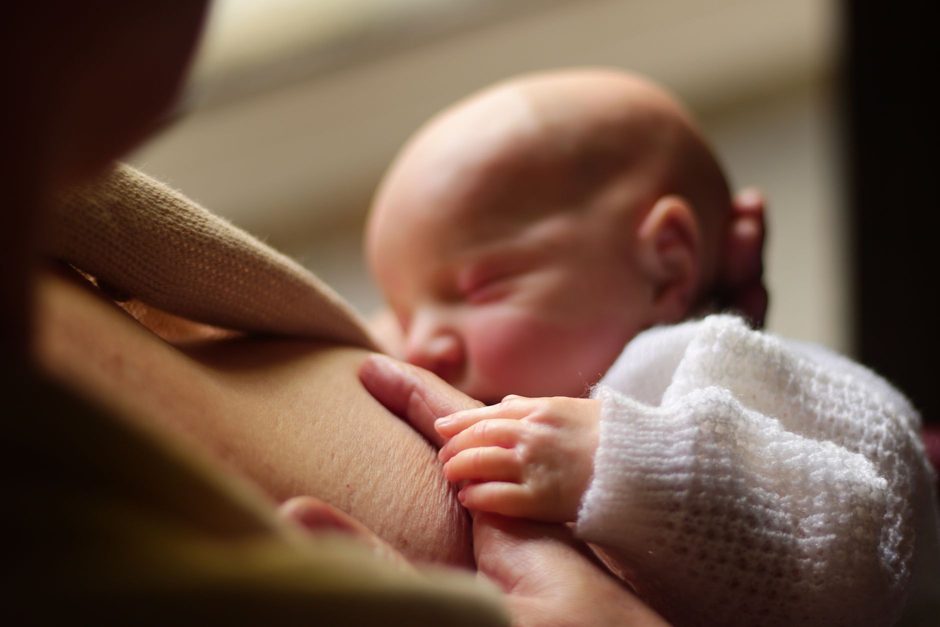
- Breastfeeding during or just before the procedure
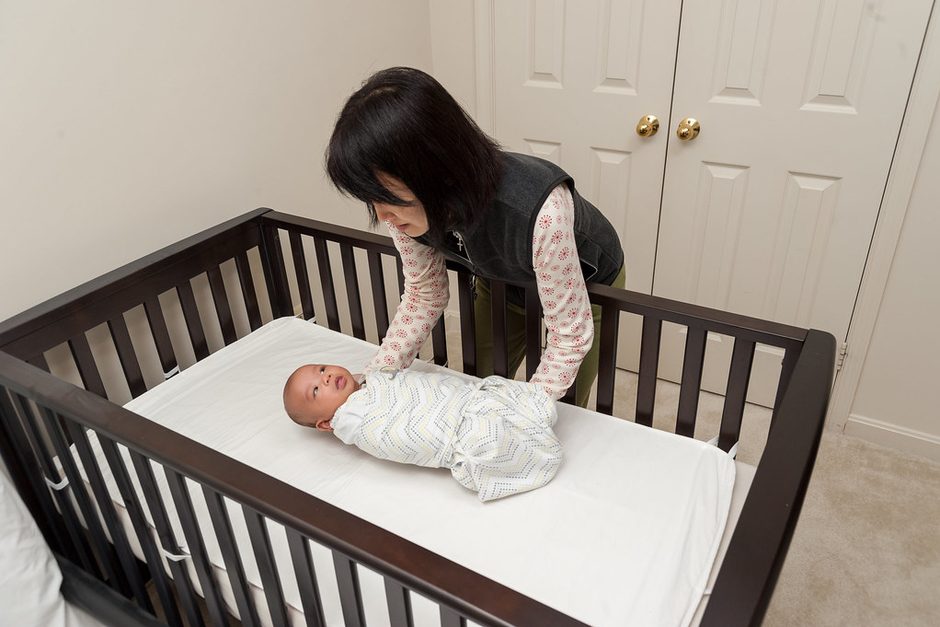
- Skin-to-skin contact, or holding the baby swaddled in your arms
- Keeping the heel warm beforehand (this eases blood flow and shortens the procedure)
Your presence as a mother is the most effective way to reduce the baby's stress response.
"A Repeat Heel Prick Test Was Requested" — Don't Panic, but Don't Postpone Either
The call from the family health centre saying "you need to come back" causes great anxiety in families. Yet the vast majority of recalls stem from technical reasons:
- An insufficient amount of blood, or the card not drying properly
- The sample being taken before 48 hours had passed
- A routine repeat required by protocol because of prematurity or intensive care
- The need to confirm a borderline value
The key concept to understand here is this: a screening test is not a diagnostic test. Screening answers the question, "does this baby need further investigation?" In most babies with a suspicious result, further tests find no disease.
But this is no reason to postpone the recall. The faster the repeat sample is given, the sooner the small number of babies who really are ill can start treatment. Try to go within the same week.
Another critical point: results are usually reported to the family only when there is a concern. That is why your registered phone number must be correct and you must not be unreachable in the weeks after birth.
Practical Questions Families Often Ask
"What if my baby was not born in hospital?" Screening is compulsory for babies born at home or outside hospital too; you must apply to the nearest family health centre and have the sample taken in the first days.
"My baby is receiving phototherapy for jaundice — can the sample be taken?" Yes. Phototherapy is not an obstacle to taking the heel prick sample; however, the team in the unit where the baby is staying will plan the timing according to their own protocol.
"My baby cannot have breast milk and is formula fed. Does that affect the result?" What matters is that the baby has been fed; both breast milk and formula are sufficient for screening. The critical point is that at least 48 hours of feeding has been completed before the sample is taken.
"Why is the information written on the card so important?" The date and time of birth, the time the sample was taken, birth weight, prematurity and any blood transfusion details are all needed for the laboratory to interpret the result correctly. Missing information is one of the most common causes of an unnecessary recall.
"Is it needed for my second baby too?" Yes. Most of these diseases are inherited recessively; the first child being healthy is no guarantee for the next sibling. Every baby must have their own screening.
Does the Heel Prick Test Screen for Everything?
No — and this is where families are most often mistaken. The heel prick test is not a "general check-up" covering all genetic or congenital diseases. It screens only for certain treatable conditions.
Other screenings that must also be carried out in the newborn period are:
- Hearing screening: Performed in the first days after birth. Early intervention in hearing loss detected early protects speech development.
- Developmental hip dysplasia screening: Performed by examination and, where needed, ultrasound.
- Vision and red reflex examination
- Jaundice follow-up: Jaundice occurs in most newborns, but its level and timing matter; you can find the details in our article on newborn jaundice.
All of these are part of a regular well-child follow-up programme. The heel prick test is only the first link in this chain; on its own it does not mean "everything is fine".
When Should You See a Doctor?
Whatever the heel prick test result, if any one of the following findings is present, see a doctor without losing time. These findings do not require waiting for the screening result:
- Fever of 38°C or above, or a low body temperature below 36°C (in a newborn both are emergencies)
- Refusing to feed, or a marked decrease in feeding
- Excessive sleepiness, difficulty waking the baby, floppiness like a rag doll
- Rapid, laboured or grunting breathing, pauses in breathing, bluish discolouration
- Repeated, projectile vomiting; abdominal swelling
- Seizure-like spasms, unusual eye deviations
- Jaundice starting in the first 24 hours, darkening rapidly, or spreading to the palms and soles
- Reduced urine output, failure to gain weight, excessive weight loss
- Ambiguous-looking external genitalia in a baby girl, or a picture of lethargy and vomiting suggesting salt loss
Some of these findings in the newborn period may also be a sign of serious infection; we covered the details in our article on newborn sepsis.
In Summary
- The heel prick test catches serious but treatable diseases in babies who look healthy, before symptoms appear.
- The ideal time is after the baby has fed for at least 48 hours, generally days 3-5.
- A repeat request is usually for a technical reason; but it must not be postponed.
- A screening test is not a diagnostic test; a suspicious result does not mean disease.
- The heel prick test does not screen for every disease; hearing, hip and regular child follow-up are also needed.
If you have a question about your baby's heel prick test result, or if you have received a recall, plan the correct timing and the next step together with your pediatrician.
In Gaziantep, you can book an appointment for the evaluation of your baby's newborn screening results and for regular well-child follow-up; you can reach our clinic and contact details here.
Frequently Asked Questions
The baby must have been feeding for at least 48 hours after birth; the ideal time is generally days 3-5. In babies discharged early from hospital the sample may have been taken too soon, in which case the family health centre repeats the screening sample.
No, a repeat request is most often due to a technical reason: an insufficient amount of blood, the card not drying properly, the sample being taken too early, or the baby being premature. A screening test is not a diagnostic test; it only shows whether further investigation is needed. Even so, never postpone a recall.
Under the Ministry of Health's national programme in Türkiye, phenylketonuria, congenital hypothyroidism, biotinidase deficiency, cystic fibrosis, congenital adrenal hyperplasia and spinal muscular atrophy (SMA) are screened. Since the programme can be expanded over time, you can ask your doctor about its current scope.
No. A few drops of blood are taken from the side of the heel; there is no lasting harm. Breastfeeding the baby during the procedure, holding them skin to skin, or holding them swaddled in your arms noticeably reduces the perception of pain.
Usually the family is contacted only when a result is suspicious; no separate notification may be given for normal results. That is why it is very important that your registered phone number is correct and reachable. If you are curious, you can ask your family health centre for the result.
📅 Book an appointment for your child's health
Book an online appointment with Specialist Dr. Hasan Keleş in Gaziantep — instant confirmation.
Book an Appointment Online