 Uzm. Dr. Hasan Keleş
- July 15, 2026
- 2 min read
- Newborn
- — reads
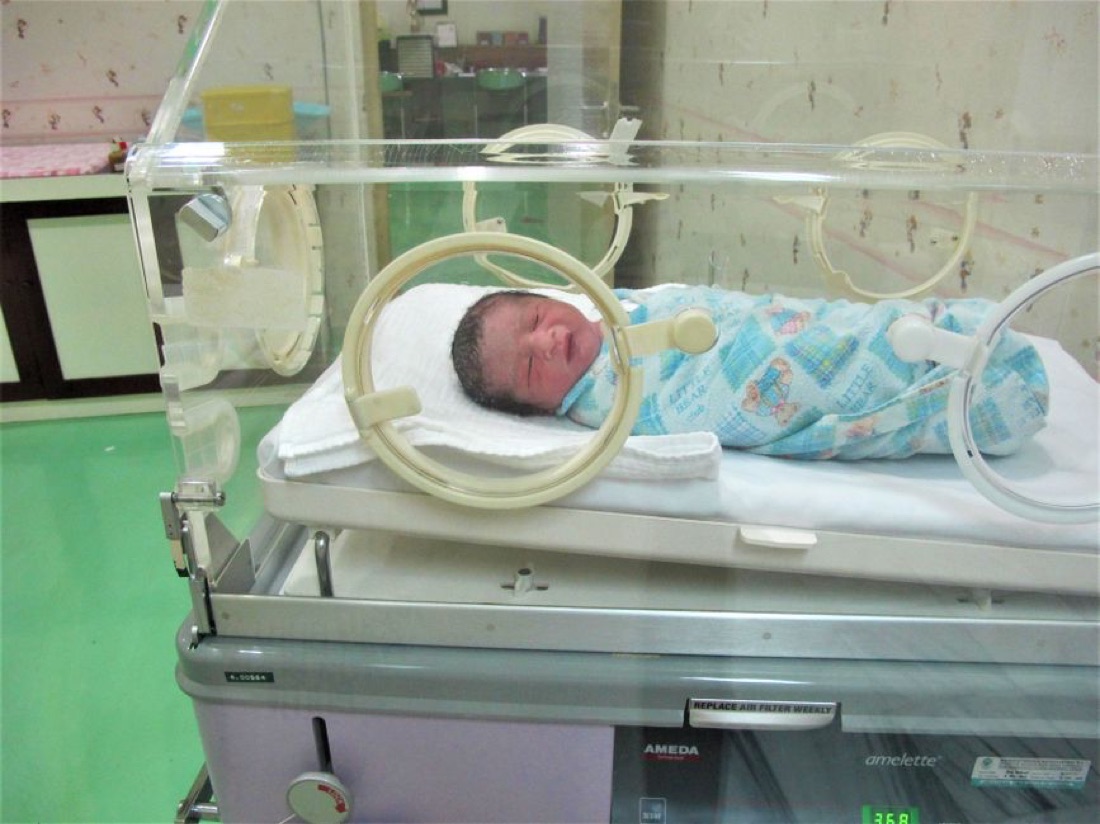
Babies born before the 37th week of pregnancy are called premature. With advances in neonatal intensive care, the chances of survival and healthy development for premature babies have increased significantly. Proper care at home after discharge, along with regular follow-up, is the most critical link in this process.
Basic Principles After Coming Home
- Keeping warm: Premature babies are prone to heat loss; the room temperature should be balanced (around 22–24°C), and the baby should be dressed in one extra layer but not overly bundled
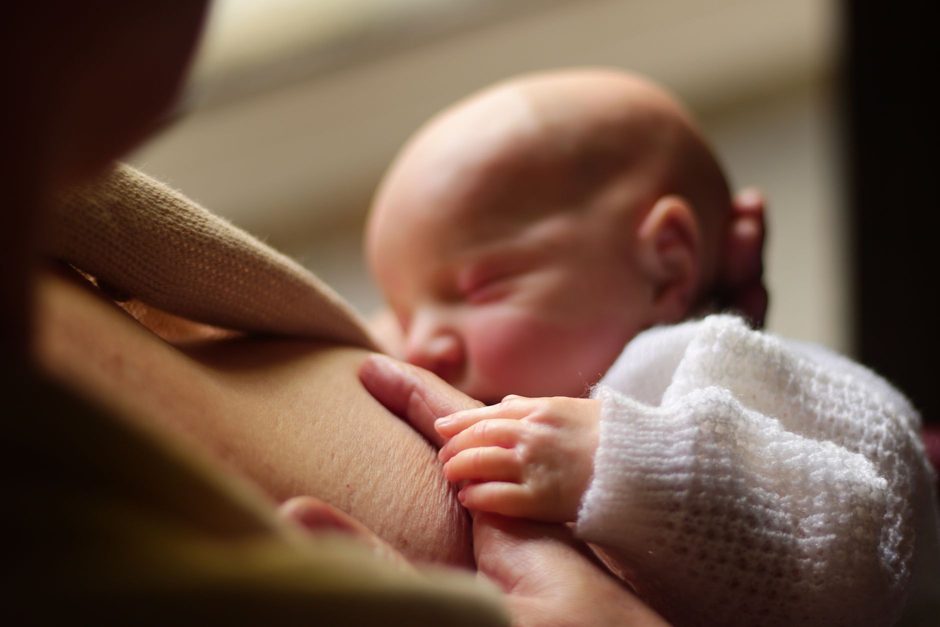
- Feeding: Breast milk is the most valuable food for a premature baby; with the doctor's recommendation, fortifiers or special formulas may be added. Small, frequent feedings are important
- Protection from infection: Because their immunity is weak, they should be kept away from crowded, enclosed, and smoky environments; visitors should be limited and careful hand hygiene observed
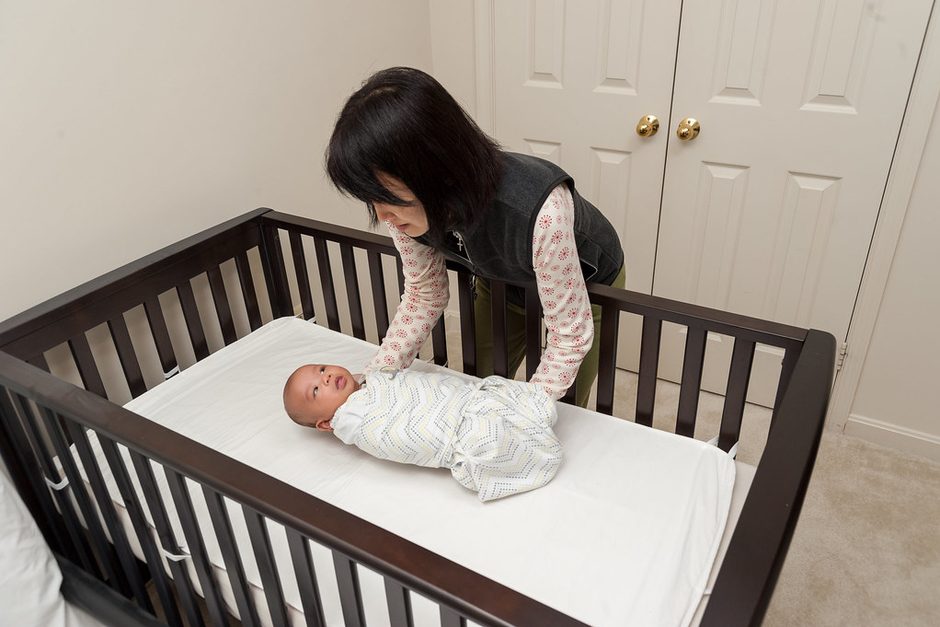
- Sleep: Always on the back, on a flat and firm mattress
What Is Corrected Age?
A premature baby's development is assessed according to its corrected age: the number of weeks the baby was born early is subtracted from its chronological age. For example, a 4-month-old baby born 2 months early is assessed developmentally as if it were 2 months old. This gap usually closes by around 2 years of age; families should base their expectations on corrected age without falling into the worry that the baby is "falling behind."
What to Watch for During Follow-up?
Growth monitoring, eye examination (screening for retinopathy of prematurity), hearing screening, timely administration of vaccines according to chronological age, iron and vitamin D supplementation, and developmental assessment. A protection plan against respiratory infections such as RSV is important.
When to Seek Emergency Care?
Refusing to feed, a drop or rise in body temperature, rapid or labored breathing, bluish discoloration, seizure-like movements, excessive sleepiness, and increasing yellowing should be evaluated without delay.
📅 Online appointment for your child: Uzm. Dr. Hasan Keleş — appointment page
Related articles: Neonatal jaundice · Month-by-month development · Newborn follow-up service
This article is for general information purposes only; it does not replace diagnosis and treatment. For any concerns about your child's health, be sure to consult a pediatric health and diseases specialist.
Uzm. Dr. Hasan Keleş — Specialist in Pediatric Health and Diseases, Gaziantep
Frequently Asked Questions
Most babies catch up with their peers when corrected age is taken into account. Regular follow-up is important to catch any possible delays early.
📅 Book an appointment for your child's health
Book an online appointment with Specialist Dr. Hasan Keleş in Gaziantep — instant confirmation.
Book an Appointment Online