




 Uzm. Dr. Hasan Keleş
- July 16, 2026
- 2 min read
- Newborn
- — reads
Jaundice, seen in more than half of all newborns, is most often a physiological and temporary condition related to the liver's maturation process. However, in a small number of babies high bilirubin can be dangerous — which is why monitoring is essential.
Physiological or Pathological?
| Physiological | Pathological (evaluation required) | |
|---|---|---|
| Onset | 2nd-3rd day | First 24 hours |
| Spread | Face-trunk | Descending to palms and soles |
| Duration | 1-2 weeks | Longer than 2 weeks (in a term baby) |
| Accompanying signs | None | Poor feeding, drowsiness, vomiting, pale/white stool, dark urine |
How Is Monitoring Done?
A check-up within the first 2-3 days after discharge is critical. Skin (transcutaneous) measurement or blood bilirubin is assessed on a risk curve according to the baby's age in hours. If there is a mother-baby blood group incompatibility, monitoring is intensified.
Treatment
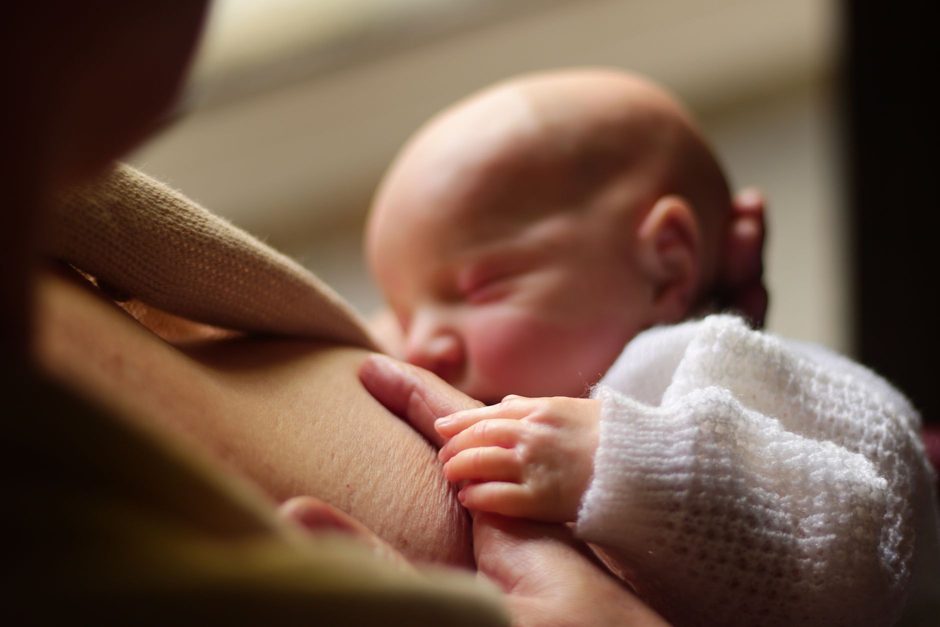
- Effective feeding is the first step: frequent breastfeeding (8-12 times a day) speeds up the elimination of bilirubin through the stool.
- Phototherapy: Special blue light makes bilirubin water-soluble. It is safe and effective.
- At very high levels, an exchange transfusion is rarely needed.
- ❌ Giving sugar water, ❌ sunbathing behind glass, ❌ "not dressing the baby in yellow" and similar traditional practices have no place.
Breast Milk Jaundice
This is a pattern that persists after the 3rd week but in which the baby is gaining weight and has yellow stool; breastfeeding is not stopped, only monitored.
For complete monitoring throughout the newborn period: our Newborn Follow-up service
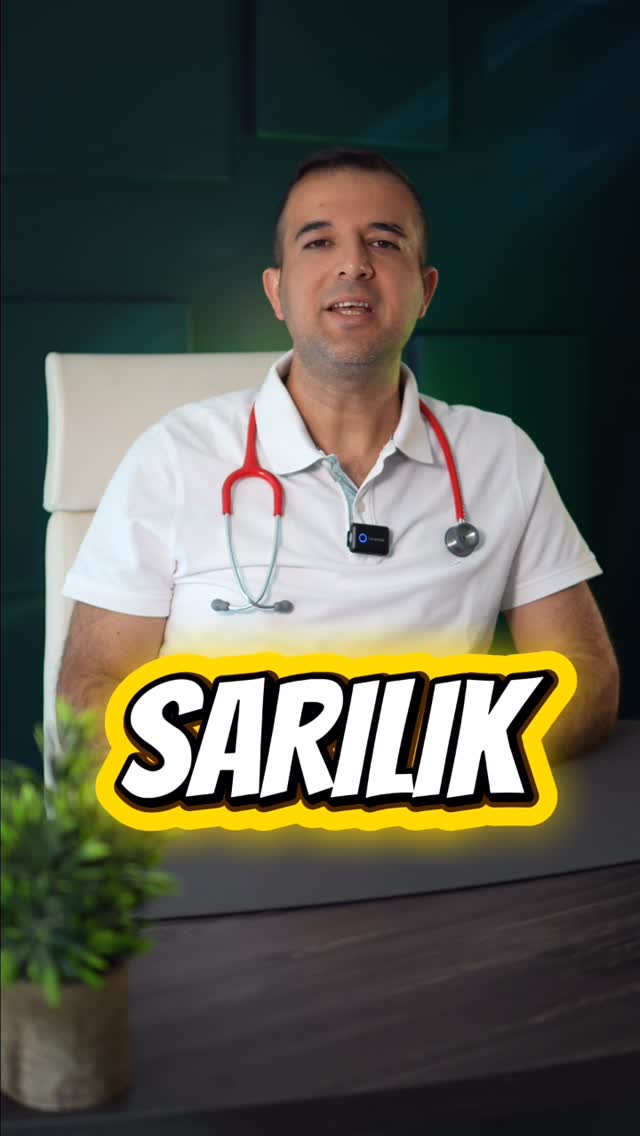
📺 Related Video
Newborn Jaundice
Instagram video by Specialist Dr. Hasan Keleş. Click to play.
Watch on Instagram →Frequently Asked Questions
Physiological jaundice begins on the 2nd-3rd day and fades within 1-2 weeks; breast milk jaundice can last up to 3-12 weeks and is usually harmless.
No; sunbathing behind glass is both ineffective and carries a risk of burns and heat stress. If treatment is needed, controlled phototherapy is used.
Jaundice that begins within the first 24 hours is always pathological (usually blood-group incompatibility) and requires urgent evaluation.
📅 Book an appointment for your child's health
Book an online appointment with Specialist Dr. Hasan Keleş in Gaziantep — instant confirmation.
Book an Appointment Online