 Uzm. Dr. Hasan Keleş
- April 25, 2026
- 2 min read
- Fever and Infections
- — reads
Fever is not the illness itself; it is a sign that the body is fighting an infection. Even so, a high fever makes your baby uncomfortable and, in some cases, requires urgent evaluation. In this guide you will find every step, from correct measurement to medication use and what to do and what not to do at home.
How Is Fever Measured Correctly?
- 0-3 months: The most reliable method is a rectal measurement.
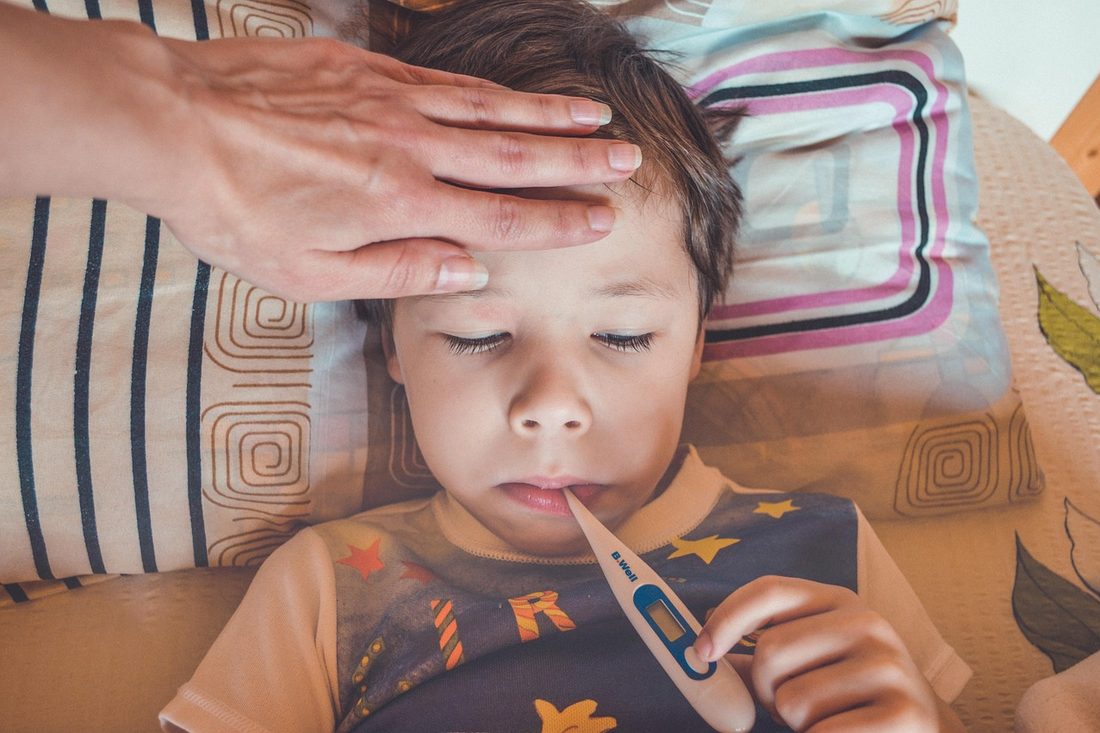
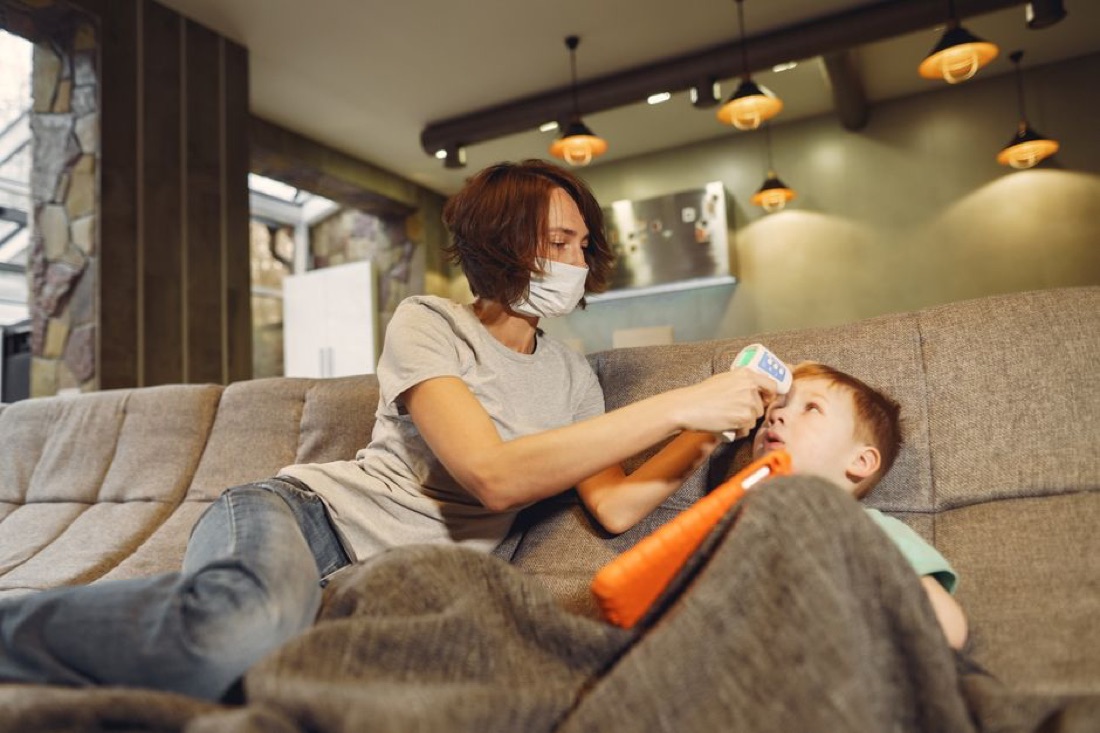
- 3 months - 4 years: An underarm digital thermometer is practical and safe.
- Ear measurement can be misleading in babies younger than 6 months.
Threshold values: An underarm reading ≥ 37.5°C and a rectal reading ≥ 38°C are considered a fever.
Reducing Fever at Home: The Right Steps
- Dress your baby in fewer layers. Thick clothing and blankets trap the fever; a single layer of cotton clothing is enough.
- Keep the room temperature at 22-24°C.
- Offer plenty of fluids. In breastfed babies, increase the frequency of feeds; dehydration raises the fever.
- Apply lukewarm sponging. You can wipe the underarms, groin, and forehead with a cloth dampened in lukewarm water at 29-32°C. Cold water and vinegar/alcohol water must never be used — they can be absorbed through the skin and cause poisoning.
- Use the fever reducer correctly. Paracetamol can be used at any age, and ibuprofen in babies older than 6 months. The dose is calculated by weight; do not alternate the two medications at random, and consult your doctor.
⚠️ Aspirin must never be used in children (risk of Reye's syndrome).
Situations Where You Must See a Doctor Immediately
- If the baby is younger than 3 months and has a fever above 38°C
- If the fever exceeds 40°C or lasts longer than 72 hours
- If the baby has a seizure (febrile convulsion)
- If there is a rash on the skin that does not fade when pressed
- If the baby refuses to feed, has reduced urine output, is excessively sleepy, or unresponsive
- If breathing is rapid, grunting, or labored
Common Mistakes
- ❌ Wrapping the baby up so they "don't catch a chill"
- ❌ Cold showers, ice, vinegar water
- ❌ Saying "they have a fever" by hand, without a thermometer
- ❌ Giving syrup without calculating the dose
Expert Support for Your Child's Fever in Gaziantep
An examination is essential to find the underlying cause of a recurring or persistent fever. Book an online appointment and let's evaluate it together.
Related articles: When Is a High Fever in Children Dangerous? • Febrile Seizure • Sixth Disease (Roseola)
This content is for informational purposes; please consult your doctor for diagnosis and treatment. — Dr. Hasan Keleş, Specialist in Pediatric Health and Diseases, Gaziantep
📺 Related Video
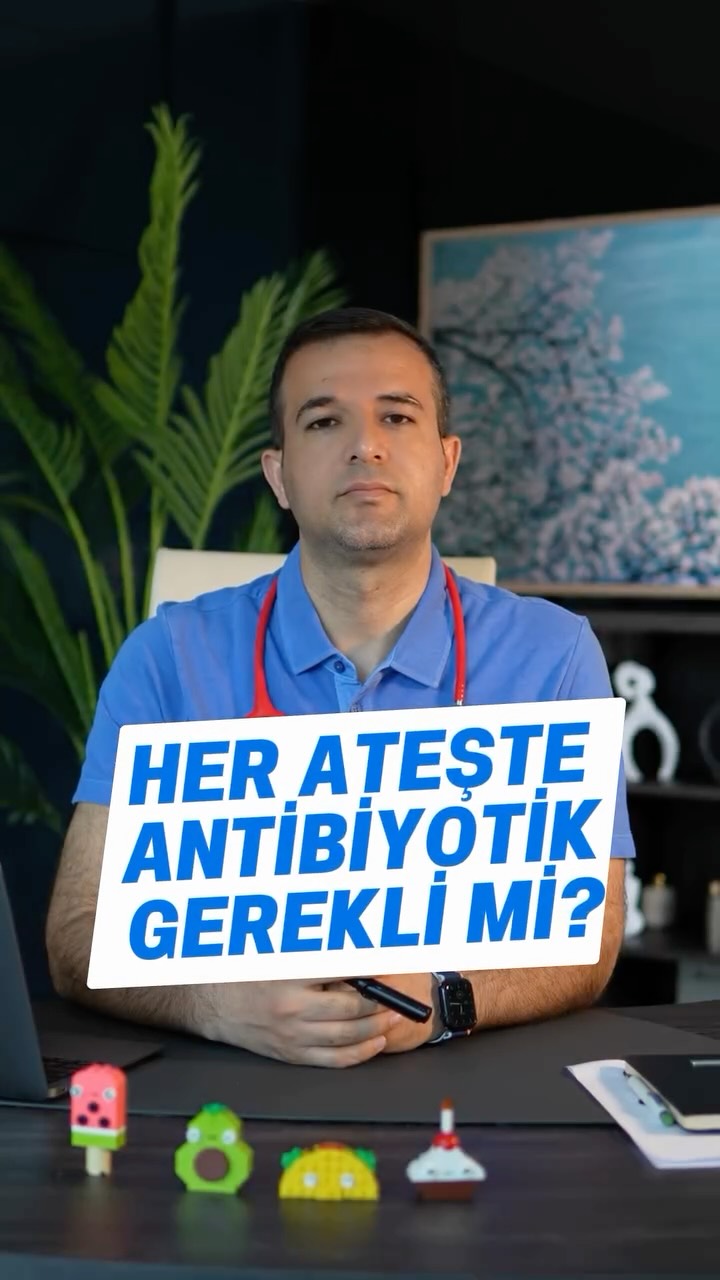
Not Every Fever in Children Is Caused by Bacteria
Instagram video by Specialist Dr. Hasan Keleş. Click to play.
Watch on Instagram →Frequently Asked Questions
An underarm reading of 37.5°C and above, or a rectal reading of 38°C and above, is considered a fever.
No. Cold water can cause shivering, which can raise the fever even higher. Lukewarm (close to room temperature) sponging should be preferred.
Yes. In a baby younger than 3 months, a fever of 38°C and above is an emergency that requires seeing a doctor without delay.
Paracetamol can be given every 4-6 hours, and ibuprofen (in babies older than 6 months) every 6-8 hours. The dose must always be adjusted by weight on a doctor's advice.
📅 Book an appointment for your child's health
Book an online appointment with Specialist Dr. Hasan Keleş in Gaziantep — instant confirmation.
Book an Appointment Online