 Uzm. Dr. Hasan Keleş
- September 24, 2026
- 3 min read
- Fever and Infections
- — reads
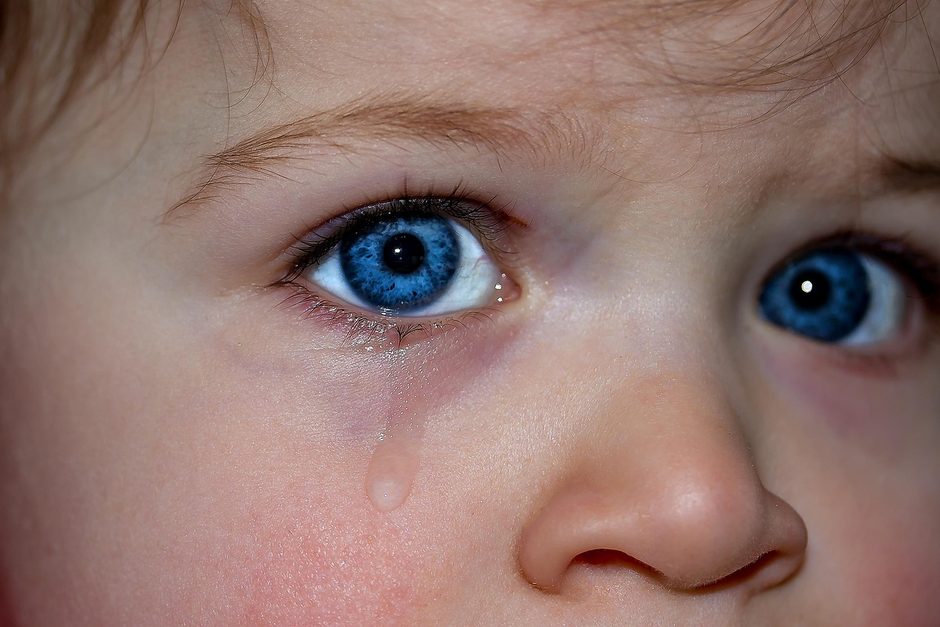
A child who wakes up with eyelashes stuck together and a bright red eye... Conjunctivitis, often called pink eye, is one of the most common problems during the school and nursery season. Medically, conjunctivitis is inflammation of the thin membrane (the conjunctiva) that covers the white of the eye and the inside of the eyelids. It is usually harmless and clears on its own, but some signs point to a different problem that threatens the eye and needs an examination.
How do you recognise conjunctivitis?
- Pink-red colour in the white of the eye
- Watering, burning, stinging or a feeling of "sand in the eye"
- Itching and frequent eye rubbing
- Yellow-green discharge sticking to the lashes, especially in the morning
- Mild swelling of the eyelids
Both eyes are often affected; sometimes one eye follows the other a few days later.
Three main types: viral, bacterial and allergic
| Type | Typical clues | Contagious? |
|---|---|---|
| Viral | Watery discharge and redness; often with a cold, sore throat or fever | Yes, very |
| Bacterial | Thick, yellow-green discharge that sticks the lashes together | Yes |
| Allergic | Marked itching, watering, sneezing and runny nose; recurs with the seasons | No |
Viruses are the most common cause in children. Eye redness that comes with a common cold or pharyngitis usually belongs to this group. Allergic conjunctivitis generally goes hand in hand with allergic rhinitis. Telling the types apart is not always easy; the distinction is made by the doctor during the examination.
How long does it last?
According to the US Centers for Disease Control and Prevention (CDC), viral conjunctivitis usually clears on its own in 7-14 days and can sometimes take 2-3 weeks. Mild bacterial conjunctivitis often begins to improve within 2-5 days; full recovery can take up to 2 weeks. In the allergic type, symptoms ease once the child is away from the trigger.
Antibiotic eye drops do not work against viruses. So not every red eye needs drops; whether drops are needed is decided by the doctor after the examination.
Does conjunctivitis cause a fever?
Conjunctivitis itself does not usually cause a fever. When it is part of a viral infection, however, fever, sore throat and red eyes can occur together. If ear pain accompanies bacterial conjunctivitis, a middle ear infection may also be present. If fever is added to increasing swelling and redness of the eyelid, this suggests an infection of the tissue around the eye and needs an examination the same day.
What can be done at home?
- Wipe the eyelids from the inner corner outwards with clean cotton wool moistened with cooled boiled water; use a separate piece for each eye.
- For itching and burning, placing a cool, clean cloth on the eyelids for a few minutes can be soothing.
- Wash your child's hands often and remind them not to rub their eyes.
- Do not share towels, pillowcases or face cloths in the family; wash them in hot water.
- Teenagers who wear contact lenses should not wear them until the eye has fully healed.
- Unless a doctor recommends it, do not use old eye drops left at home, someone else's medicine or steroid drops.
When can the child go back to school?
The UK National Health Service (NHS) says children do not need to stay off school because of conjunctivitis unless they feel very unwell. In Turkey, school and nursery practices may differ. In practice, resting at home during the first days when discharge is heavy, or when there is fever or tiredness, is better both for the child and for classmates. Decide on the return date together with your doctor.
When should an examination not be delayed?
The following signs point to something beyond simple conjunctivitis:
- A red, sticky eye in a baby in the first month of life
- Marked pain in the eye and being unable to look at light
- Blurred vision that does not clear after the discharge is wiped away
- Increasing swelling and redness of the eyelid and surrounding area with fever
- Redness after a chemical has got into the eye or after a blow
- A picture that does not improve within a week or keeps getting worse
If you have ongoing concerns about vision, you may also want to read our article on lazy eye. For itchy eye complaints that recur with the seasons, a paediatric allergy assessment can help. If your child's symptoms do not settle, you can book an appointment at Özel Düztepe Yaşam Hospital in Şahinbey.
Frequently Asked Questions
Conjunctivitis caused by viruses and bacteria is contagious; it spreads easily when eye discharge gets onto hands, towels and pillows. Allergic conjunctivitis is not contagious. The most effective ways to reduce spread are frequent handwashing and keeping towels and pillowcases separate.
Viral conjunctivitis usually clears on its own within 7-14 days, sometimes taking 2-3 weeks. Mild bacterial conjunctivitis often starts to improve within 2-5 days, though full recovery can take up to 2 weeks. If there is no improvement within a week, or symptoms are getting worse, the child needs to be examined.
Most children without fever who are generally well may not need time off school, but school and nursery rules differ. Resting at home during the first days when discharge is heavy, or if there is a fever, and following your doctor's advice on returning is the best approach.
There is no reliable evidence that putting breast milk, tea or chamomile in the eye cures conjunctivitis, and it risks carrying germs into the eye. The eyelids can be wiped with clean cotton wool moistened with cooled boiled water; medicated eye drops should only be used on a doctor's advice.
In a newborn, eye discharge can come from a blocked tear duct as well as from infection. A red, sticky eye in a baby in the first month of life should not be taken lightly; the baby should be seen by a doctor the same day.
📅 Book an appointment for your child's health
Book an online appointment with Specialist Dr. Hasan Keleş in Gaziantep — instant confirmation.
Book an Appointment Online