 Uzm. Dr. Hasan Keleş
- September 3, 2026
- 2 min read
- Vaccines
- — reads
Whooping cough (pertussis) is a contagious illness marked by a long-lasting cough that comes in bouts. Older children get through it with a tiring cough, but it can run a severe course in small babies. That is why the protection strategy is not limited to the baby alone.
How the schedule works
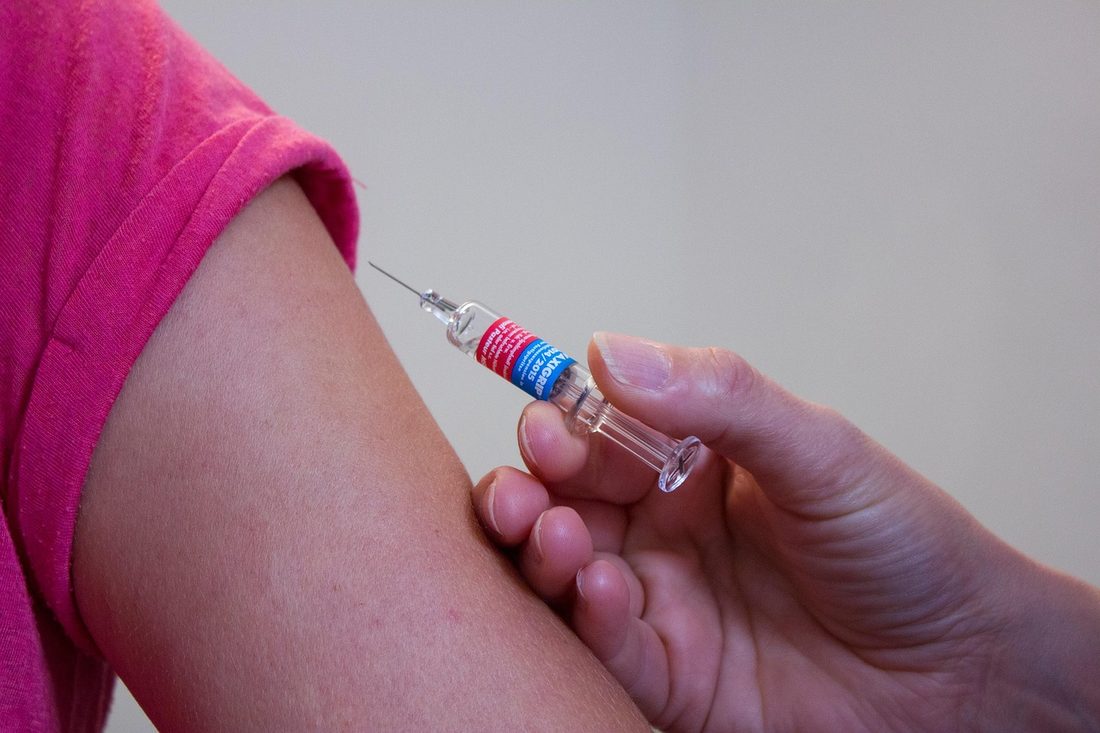
The whooping cough vaccine is not given on its own; it comes inside combination vaccines:
| Timing | What is given |
|---|---|
| 2, 4 and 6 months | 6-in-1 (hexavalent) vaccine (whooping cough included) |
| 18 months | Booster dose |
| 48 months (4 years) | Repeat with DTaP-IPV |
For the full list, see the 2026 vaccination schedule page.
Why does protection fade?
Unlike some vaccines such as measles, the immunity left by the whooping cough vaccine does not last a lifetime. It weakens over the years. Because of this:
- Whooping cough occurs in adolescents and adults, and is usually experienced as "a cough that will not go away".
- In a vaccinated person the illness is usually mild, but that person can still be a carrier.
- The greatest risk is an adult with this mild picture passing it to a newborn at home.
The most critical window: the first two months
A baby starts their own vaccination schedule at 2 months. The stretch from birth until that day is the most vulnerable period for whooping cough. This gap is closed in two ways:
1. Vaccination in pregnancy. The dose given to the mother during pregnancy protects the baby through the first weeks with antibodies that cross the placenta. The timing is planned by the doctor following the pregnancy.
2. The cocoon strategy. Keeping the vaccinations of the mother, father, siblings and carers up to date forms a protective ring around the baby. In infant cases of whooping cough, the source is most often an adult in the household.
What does a whooping cough sound like?
The classic picture has three stages: first a few days resembling a common cold, then bouts of coughing one after another, and at the end of each bout a deep, whistling breath. Vomiting after coughing is common. The bouts worsen at night in particular and can last for weeks.
⚠️ In small babies this classic picture may not appear. Instead there may be blue discolouration while feeding, pauses in breathing (apnoea) rather than coughing, and listlessness. In a baby under two months, coughing in bouts or a pause in breathing should be assessed without delay.
Side effects
The most common responses to combination vaccines are redness, swelling and tenderness at the injection site, along with a mild fever and irritability lasting a day. These are expected signs of the immune response. For detail, see the fever and side effects after vaccination article.
In summary
The whooping cough vaccine starts at 2, 4 and 6 months and is boosted at 18 months and at 4 years. Because protection fades over time, the illness can occur in adolescents and adults. The most effective way to protect a newborn is vaccination in pregnancy together with up-to-date vaccinations among the adults around them.
Frequently Asked Questions
In the national schedule it is given inside the 6-in-1 (hexavalent) vaccine at 2, 4 and 6 months, boosted at 18 months, and repeated with DTaP-IPV at 48 months (4 years).
Yes, it is possible. Protection from the whooping cough vaccine does not last a lifetime; it wanes over the years. When a vaccinated person does fall ill, the illness is usually far milder and the risk of passing it to a baby is lower.
A baby's own vaccinations start at 2 months; until then the baby is unprotected. The dose given to the mother in pregnancy passes antibodies across the placenta and protects the baby through those first weeks. That is precisely the riskiest period.
It means keeping the vaccinations of the mother, father, siblings and carers who will be in close contact with the newborn up to date, forming a protective ring around the baby. Infection in babies most often comes from an adult in the household.
Typically it comes in back-to-back bouts, with a deep, whistling breath in between, and vomiting after coughing is common. In small babies this classic picture may be absent; pauses in breathing may appear instead.
📅 Book an appointment for your child's health
Book an online appointment with Specialist Dr. Hasan Keleş in Gaziantep — instant confirmation.
Book an Appointment Online