 Uzm. Dr. Hasan Keleş
- July 28, 2026
- 3 min read
- Digestive System
- — reads
In the summer heat, food spoils quickly; chicken left out for hours at a picnic, a milky dessert left outside the refrigerator, or a poorly washed piece of fruit can cause vomiting and diarrhea in your child within a few hours. It is understandable for you to feel alarmed when your child suddenly becomes ill. The good news is this: the vast majority of cases recover at home within a few days with the right fluid support. In this article, I explain the symptoms, what you can do at home, and in which situations you should see a doctor without delay.
What Is Food Poisoning?
Food poisoning occurs from consuming food or water contaminated with bacteria (Salmonella, Staphylococcus, E. coli, Campylobacter), the toxins these bacteria produce, or viruses. During the summer months, high temperatures make it easier for these microbes to multiply rapidly, so cases increase noticeably. Symptoms usually begin a few hours to 1-2 days after the spoiled food is eaten; with foods that already contain toxins, vomiting can appear much sooner.
Symptoms
- Nausea and repeated vomiting
- Watery diarrhea (sometimes with mucus or blood)
- Abdominal pain and cramps
- Fever, fatigue, loss of appetite
- With certain toxins, sudden and severe vomiting starting within a few hours is the main feature
In most children, the illness eases on its own within 1-3 days. Because the symptoms largely resemble those of a gastrointestinal infection, if you would like more detailed information you can also read my article on gastrointestinal infection (gastroenteritis).
What to Do at Home
- Put fluids first: The greatest risk is dehydration. After every episode of vomiting or diarrhea, give ORS (oral rehydration solution) in an amount appropriate for age and weight, in small sips at frequent intervals.
- Continue breastfeeding: In breastfed babies, breastfeeding is not stopped; on the contrary, it is offered more frequently.
- If there is vomiting, give small amounts: Giving a lot of fluid at once triggers vomiting. A few sips every 5-10 minutes is more effective.
- Start feeding early: Leaving the child hungry for a long time is wrong. Once the vomiting settles, move on to plain foods such as rice porridge, potatoes, bananas, yogurt, boiled chicken, and bread.
- Avoid the following: Cola, soda, packaged fruit juices, and very sugary drinks increase diarrhea; water alone does not meet the salt-sugar balance.
- Be careful with medication: Do not give anti-diarrheal medicines to your child on your own. For fever, use a fever reducer only at the dose recommended by your doctor.
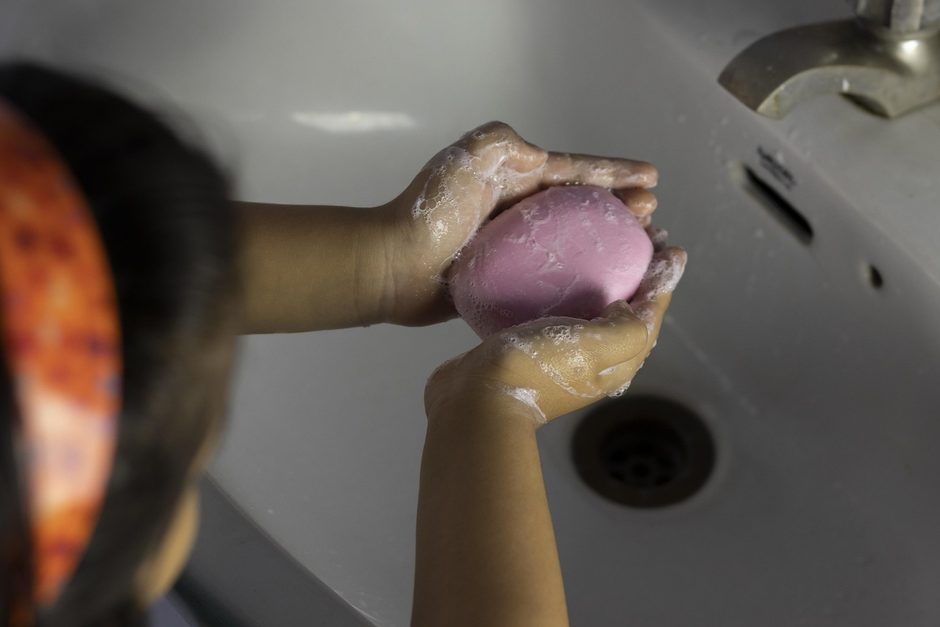
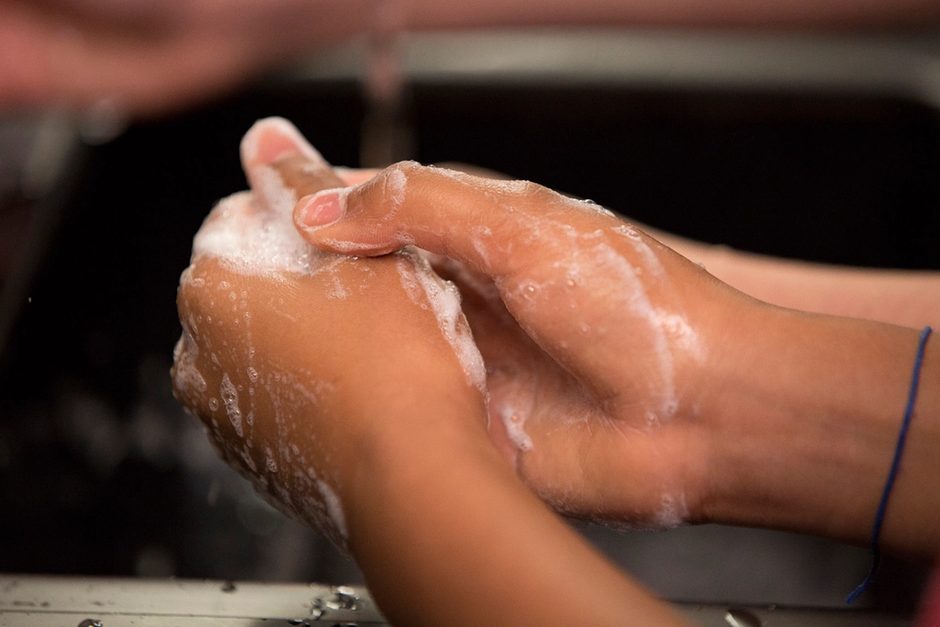
- Prevent transmission: Wash hands thoroughly after using the toilet and changing diapers; the illness spreads easily within the family.
For more detailed advice on managing diarrhea and vomiting in babies, you can look at my article on diarrhea and vomiting in babies.
When to See a Doctor / Go to the ER
If any of the following red flags are present, see a pediatrician or go to the ER without delay:
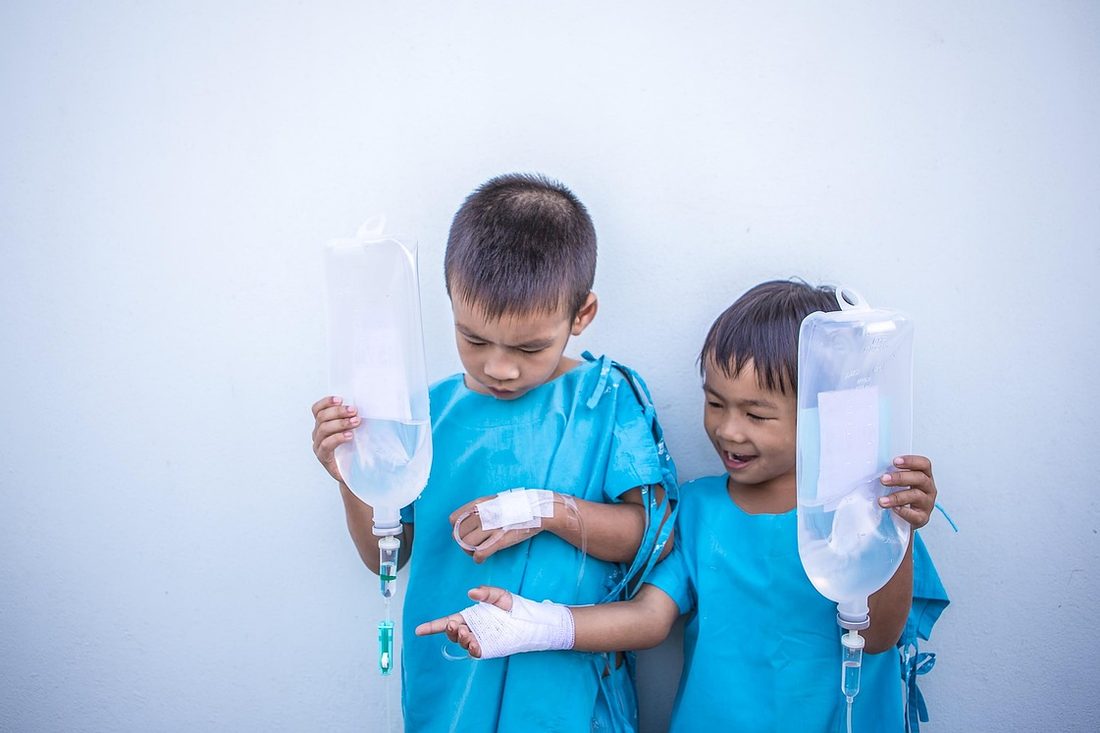
- Signs of dehydration: a marked decrease in the number of urinations, no tears when crying, dry mouth and tongue, sunken eyes, a sunken fontanelle in a baby
- Extreme fatigue, difficulty waking, constant drowsiness
- Being unable to take any fluids by mouth due to unstoppable vomiting
- Blood in the stool or a dark, tar-like color
- High fever; especially any fever in a baby younger than 3 months
- Severe and progressively increasing abdominal pain
- Vomiting or diarrhea in a baby younger than 3 months
- Symptoms lasting longer than 3 days or steadily worsening
If there is bloody diarrhea, it is important to distinguish the cause; the picture can sometimes be confused with viral causes such as rotavirus. You can find the features of viral diarrhea in my article on rotavirus diarrhea.
Preventing Spoiled Food in Summer
- Do not leave perishable foods (meat, chicken, dairy products, salads with mayonnaise, cream-filled desserts) out for more than 2 hours; if it is very hot (above 32°C), no more than 1 hour.
- Use ice packs to maintain the cold chain during picnics and travel.
- Cook meat and chicken thoroughly; keep raw and cooked foods separate.
- Wash fruits and vegetables with plenty of water; avoid foods sold in the open that flies have landed on.
- In places where tap water is not safe, choose sealed bottled water.
- Teach your child the habit of washing hands before eating and after using the toilet.
📅 Online appointment for your child: Specialist Dr. Hasan Keleş — appointment page
Related articles: Gastroenteritis · Rotavirus diarrhea · Diarrhea and vomiting
This article is for general information purposes only; it does not replace diagnosis and treatment. For any concerns about your child's health, be sure to consult a pediatric health and diseases specialist.
Uzm. Dr. Hasan Keleş — Specialist in Pediatric Health and Diseases, Gaziantep
Frequently Asked Questions
Most cases of food poisoning are self-limiting and do not require antibiotics; the cornerstone of treatment is fluids. In situations such as diarrhea with fever and blood, if the doctor deems it necessary, an appropriate antibiotic may be started after a stool examination.
No. Anti-diarrheal medicines can cause the microbes to remain in the intestine and lead to serious side effects in children; therefore they are not recommended. Fluid therapy is the safest approach.
Once the vomiting settles for a few hours, plain foods can be started in small portions. Leaving the child hungry for a long time delays recovery; early and balanced nutrition helps the intestine repair itself.
Depending on the causative microbe, it can pass to family members via the fecal-oral route. Hand hygiene is the most effective way to reduce transmission.
📅 Book an appointment for your child's health
Book an online appointment with Specialist Dr. Hasan Keleş in Gaziantep — instant confirmation.
Book an Appointment Online