 Uzm. Dr. Hasan Keleş
- April 30, 2026
- 2 min read
- Nutrition
- — reads
The most common cause of diarrhea and vomiting in children is viral gastroenteritis (primarily rotavirus). The illness itself is usually not dangerous; the real danger is becoming dehydrated. All management focuses on this.
Signs of Dehydration — Memorize These
| Mild-moderate | Severe (EMERGENCY) |
|---|---|
| Dry mouth | No urine at all for 8+ hours |
| Fewer wet diapers | Crying without tears, sunken eyes |
| Mild lethargy | Sunken fontanelle |
| Increased thirst | Excessive sleepiness, unresponsiveness |
| Decreased skin turgor |
The 4 Rules of Home Management
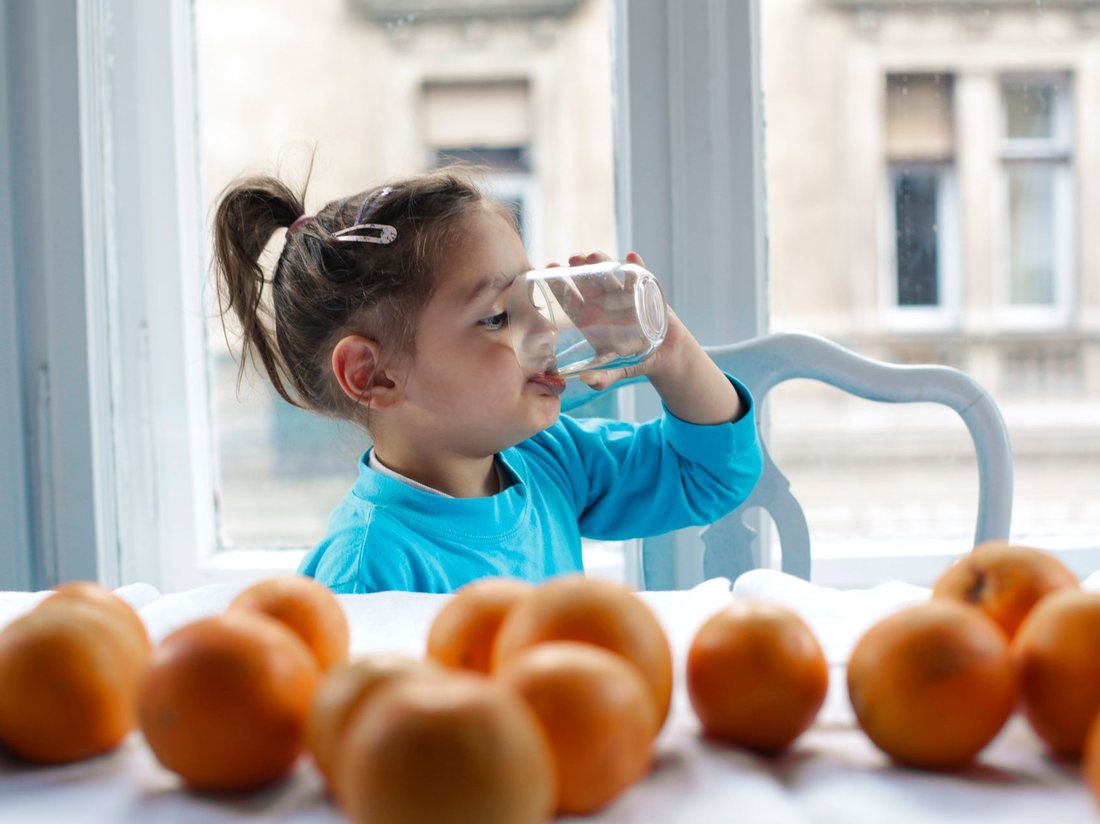
- Give ORS (oral rehydration solution). Ready-made packets from the pharmacy; 50-100 ml after each diarrheal stool, depending on age. Give it in small amounts and often.
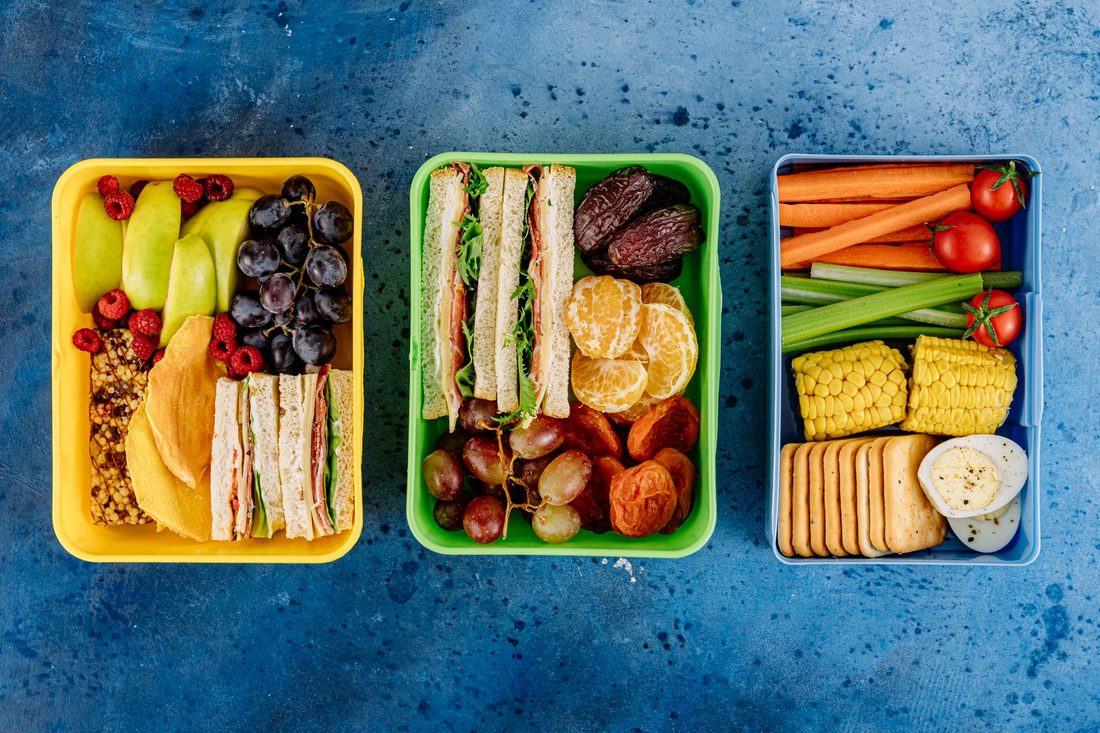
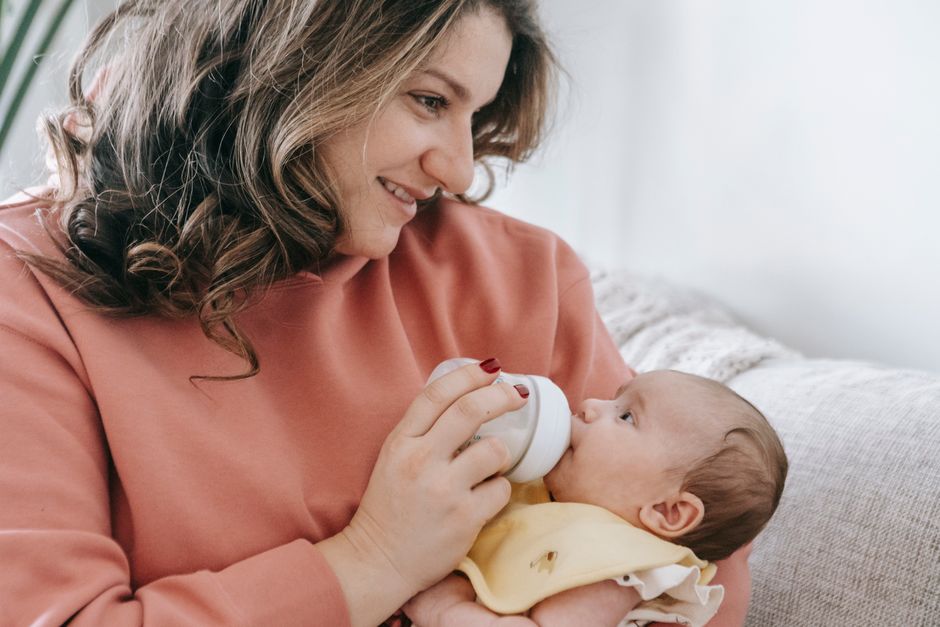
- Do not stop feeding. Continue breastfeeding exactly as before; in older children, keep up tolerated foods such as yogurt, soup, potatoes, and bread. Acidic/sugary drinks (packaged fruit juice, soda) make diarrhea worse.
- For vomiting, wait and start small: 30 minutes after the last vomit, start with a teaspoon and increase gradually.
- Zinc and probiotics: With your doctor's recommendation, these can shorten the duration of diarrhea.
❌ Anti-diarrheal medications are not used in children — they can cause toxins to build up in the intestine. ❌ Antibiotics are unnecessary for most diarrhea; in bloody, feverish diarrhea, the doctor decides.
Go to the ER
Bloody diarrhea • bilious (green) vomiting • severe signs of dehydration • feverish diarrhea in a baby younger than 3 months • severe abdominal pain • inability to keep down any fluid for more than 12 hours
Prevention: Hand hygiene + the rotavirus vaccine largely protects babies from severe diarrhea.

📺 Related Video
What Your Baby's Poop Says About Their Health
Instagram video by Specialist Dr. Hasan Keleş. Click to play.
Watch on Instagram →Frequently Asked Questions
Absolutely yes. Breast milk is a source of both fluids and protective antibodies; breastfeeding frequency should be increased during diarrhea.
Strict restrictive diets are no longer recommended; the child should continue with the normal foods they tolerate, while avoiding fatty and sugary foods.
Little and often: 1-2 teaspoons of ORS/fluid every 5-10 minutes. Giving a large amount at once triggers vomiting.
📅 Book an appointment for your child's health
Book an online appointment with Specialist Dr. Hasan Keleş in Gaziantep — instant confirmation.
Book an Appointment Online