 Uzm. Dr. Hasan Keleş
- May 12, 2026
- 2 min read
- Skin Health
- — reads
Dry, itchy, red skin... Atopic dermatitis affects about 15-20% of babies. The root of the problem is a weak skin barrier: moisture escapes, irritants and allergens get in, and the itch-redness cycle begins.
Appearance by Age
- Infancy: cheeks, scalp, outer surfaces of the arms and legs
- Childhood: inner elbows, behind the knees, neck, wrists and ankles
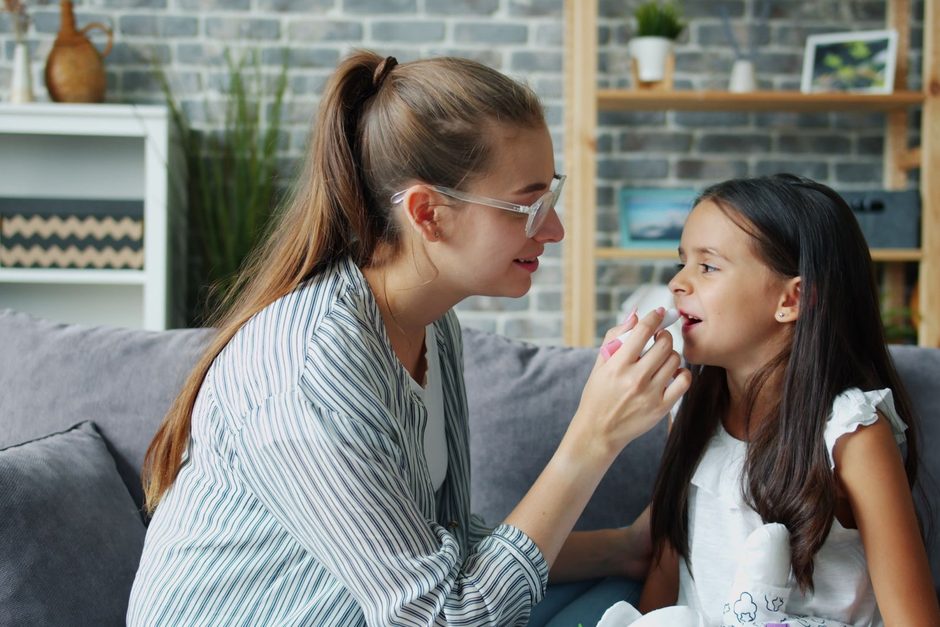
In winter, the lips and the skin around the mouth also often dry out; for lip care, see our article on chapped lips in children.
80% of Treatment: Daily Skin Care
- Moisturizing — at least twice a day, generously. Choose fragrance-free, rich cream/ointment formulas. This is the backbone of eczema care.
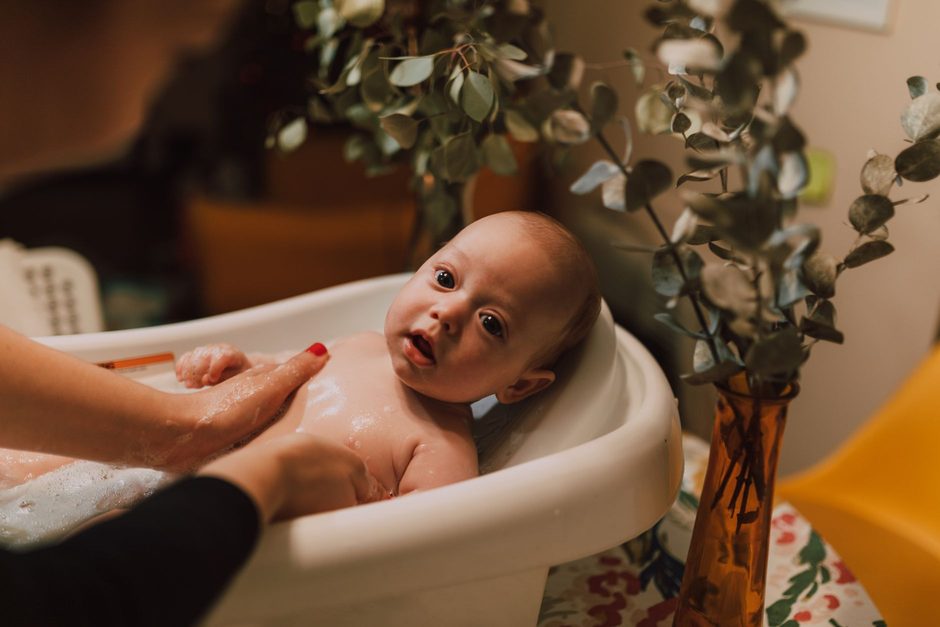
- "Soak and seal": a 5-10 min lukewarm bath (not hot!), a cleanser suited to the skin's pH instead of soap, patting dry with a towel, moisturizer within 3 minutes.
- Reduce triggers: cotton instead of wool/synthetic clothing; avoiding scented detergents and fabric softeners; excessive heat and sweating; keeping nails short.
During a Flare-Up
A corticosteroid cream of the appropriate strength recommended by your doctor, used short-term and correctly, changes the rules of the game. Eczema left untreated because of "steroid phobia" disrupts both the child's sleep and quality of life and sets the stage for infection.
If Eczema Comes With These Findings, an Allergy Evaluation Is Needed
- Widespread, persistent eczema that doesn't respond to moisturizing
- Worsening with feeding, bloody stools, vomiting
- A strong family history of allergy Children with eczema are also monitored for asthma and allergic rhinitis (the "atopic march").
📅 Book an appointment for an eczema management plan — Our Pediatric Allergy service
This content is for informational purposes only; please consult your doctor for diagnosis and treatment. — Uzm. Dr. Hasan Keleş
Frequently Asked Questions
In a significant proportion of children, eczema eases or disappears as they approach school age; with regular skin care, the period in between can be managed comfortably.
Yes, a short (5-10 min) lukewarm bath plus moisturizing within 3 minutes of getting out ('soak and seal') is the recommended approach.
Used under a doctor's supervision at the appropriate strength and for the appropriate duration, corticosteroid creams are safe and effective; the harm from untreated eczema is greater.
📅 Book an appointment for your child's health
Book an online appointment with Specialist Dr. Hasan Keleş in Gaziantep — instant confirmation.
Book an Appointment Online