 Uzm. Dr. Hasan Keleş
- June 6, 2026
- 2 min read
- Muscles and Bones
- — reads
Growing pains are a benign and common form of leg pain seen in children between the ages of 3 and 12. They occur in roughly one third of children. Despite the name, there is no proven direct link to bone growth; daytime activity is thought to play a role. The diagnosis is made by demonstrating the absence of any other illness.
Typical Features
- Appears in the evening and at night, often waking the child from sleep
- Completely gone by morning; the child plays as if nothing happened
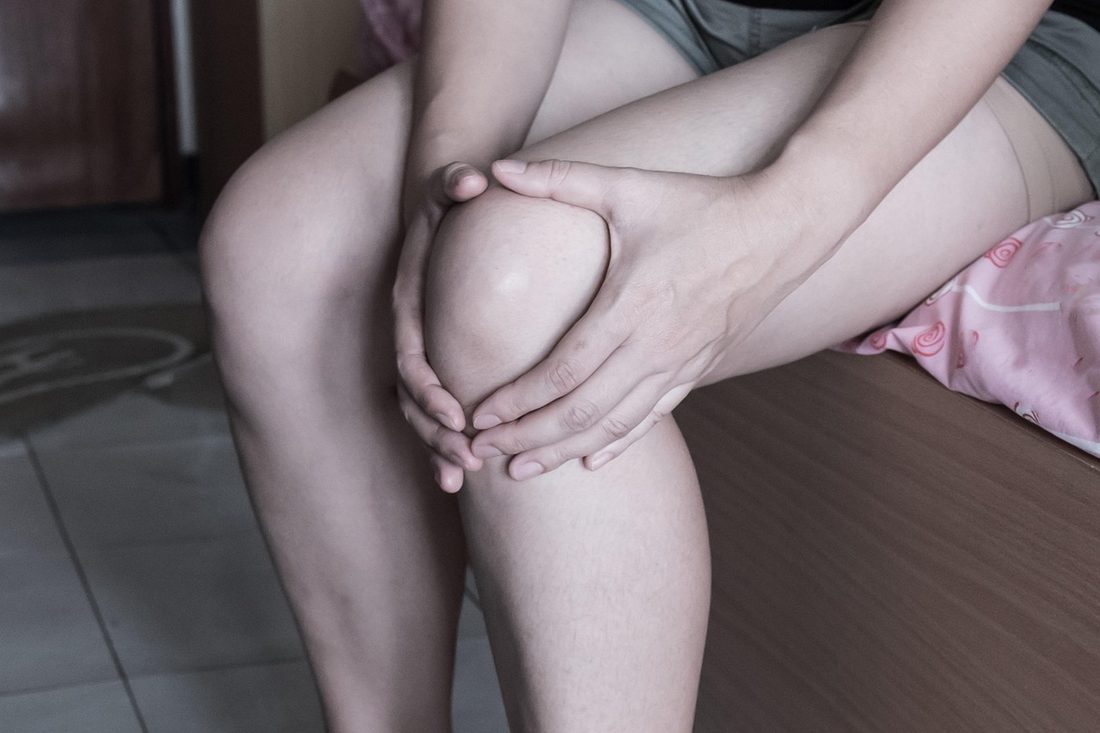
- Usually bilateral: the calves, back of the calves, behind the knees, and the front of the thighs
- Felt in the muscles, not in the joint
- There is no swelling, redness, increased warmth, or limping in the painful area
Home Care
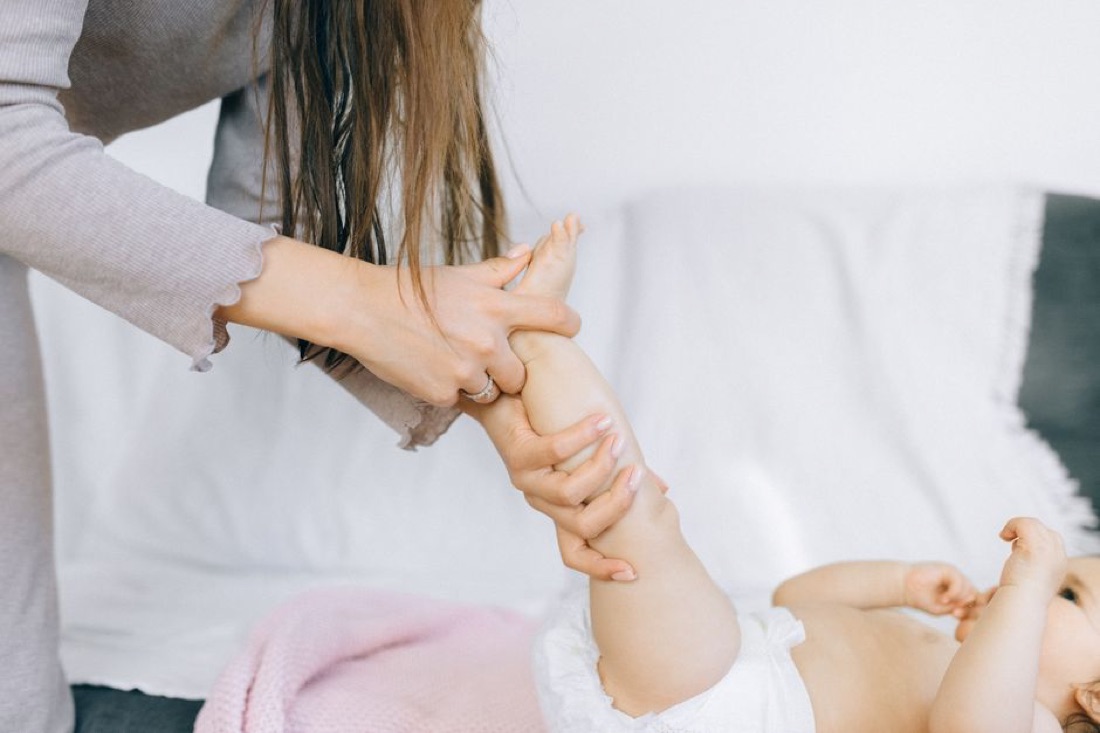
Gentle massage of the aching leg, a warm application, and loving attention often bring relief; when needed, an appropriate dose of pain reliever may be given on a doctor's advice. Plenty of physical activity during the day and adequate fluids are helpful.
Which Signs Are NOT Growing Pains? (See a Doctor)
- One-sided pain that is always in the same spot
- Swelling, redness, or increased warmth in a joint
- Pain that persists into the morning, limping, refusing to walk
- Fever, weight loss, fatigue, paleness
- A palpable lump in the painful area
- Night sweats
These situations require evaluation for infection, rheumatologic disease, or blood disorders.
📅 Book an online appointment for your child: Uzm. Dr. Hasan Keleş — appointment page
Related articles: Muscle and joint pain · Iron deficiency
This article is for general informational purposes only; it is not a substitute for diagnosis and treatment. For any concerns about your child's health, be sure to consult a pediatric specialist.
Uzm. Dr. Hasan Keleş — Pediatrician (Specialist in Pediatric Health and Diseases), Gaziantep

📺 Related Video
Growing Pains in Children
Instagram video by Specialist Dr. Hasan Keleş. Click to play.
Watch on Instagram →Frequently Asked Questions
No; they do no harm to growth or development and leave no lasting effect.
They usually disappear on their own with adolescence.
📅 Book an appointment for your child's health
Book an online appointment with Specialist Dr. Hasan Keleş in Gaziantep — instant confirmation.
Book an Appointment Online