




 Uzm. Dr. Hasan Keleş
- August 4, 2026
- 6 min read
- Muscles and Bones
- — reads
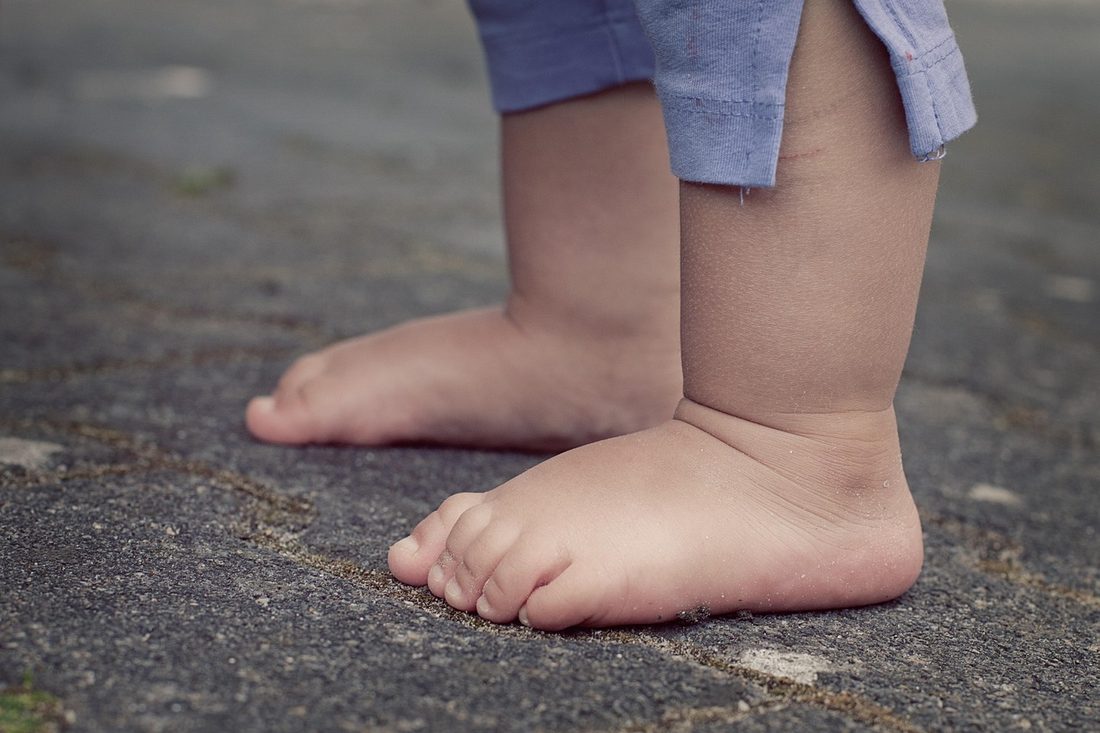
If you have noticed that the sole of your child's foot touches the ground completely when they walk barefoot, the first question that comes to mind is probably: "Are these flat feet, and do they need treatment?" The good news is this: in children, flat feet are, in the vast majority of cases, not a disease but a natural stage of development. For this reason, the great majority of children brought to the clinic for this reason need no treatment at all.
Even so, not every flat foot is the same. Whether the foot is flexible or rigid, whether there is pain, and whether it is one-sided or two-sided completely change the picture. In this article I explain how we distinguish the two, the current scientific approach to insoles, and in which situations you should see a doctor without delay.
What Are Flat Feet?
Along the inner edge of the foot, running between the heel and the pads under the toes, there is an inner longitudinal arch. This arch spreads the load created during walking and gives the step its spring. When the arch is flattened — that is, when the inner edge of the foot approaches or fully touches the ground while standing — this is called flat feet (pes planus).
An important detail: almost all babies have flat feet. There are three reasons for this:
- Fat pad: Young children have a prominent pad of fatty tissue along the inner edge of the foot that hides the arch.
- Ligament laxity: In children, joint ligaments are more flexible than in adults; the foot flattens under load.
- Muscle development: The muscles that support the arch strengthen along with the experience of walking.
In most children the foot arch begins to appear after age 3 and matures between ages 6 and 10. For this reason, a 2-year-old's foot looking flat is not a problem in itself.
The Difference Between Flexible and Rigid Flat Feet
This is the distinction we care about most during an examination.
The arch disappears when the child is standing, but the arch returns when they rise onto their toes or sit down.
It is usually two-sided and symmetrical.
There is no pain and no restriction of movement.
It is seen in the great majority of children and does not require treatment.
The arch does not appear in any position.
Movements of the ankle and hindfoot are restricted.
Pain frequently accompanies it; the child may limp.
Being one-sided also requires extra attention.
Behind rigid flat feet there may be structural conditions such as tarsal coalition (a bony/cartilaginous bridge between foot bones that should not be there), congenital vertical talus, or an accessory navicular. These conditions are uncommon, but they require a genuine treatment plan; for this reason, it is not right to say "it will pass anyway" and wait.
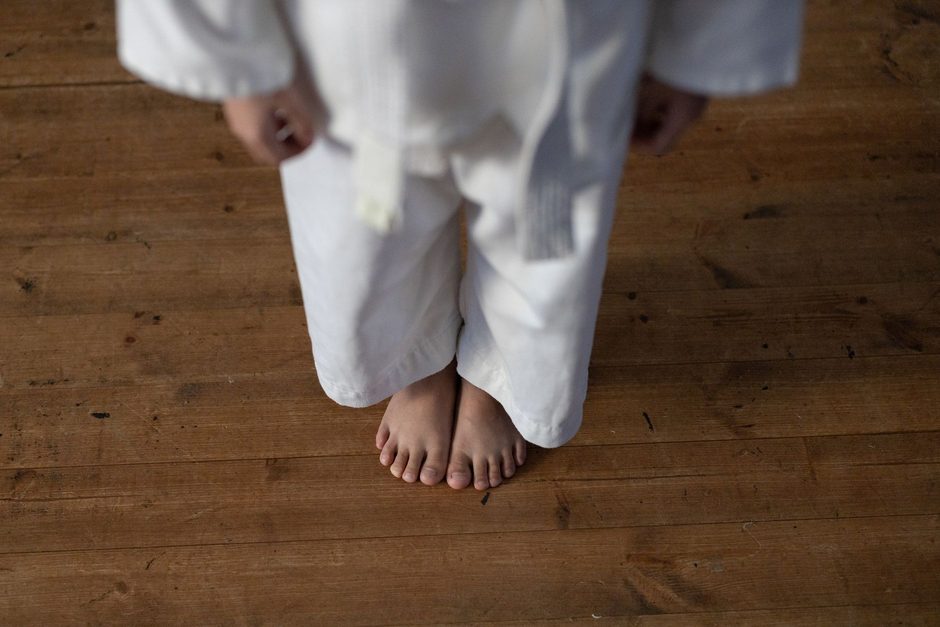
A simple observation you can do at home: Ask your child to rise onto their toes. If an arch appears on the inside of the foot during this and the heel turns slightly inward, the foot is most likely flexible. If no arch forms at all, it needs to be examined.
What Do We Look At by Age?
When evaluating flat feet, the child's age directly changes the meaning of the findings:
- 0–2 years: The foot arch is not yet present, nor is it expected to be. During this period the fat pad completely hides the arch. It is normal for a child who has just started walking to have a flat-looking foot; no insoles or special shoes are needed at this age.
- 2–5 years: The arch slowly begins to appear. The foot may still look flat; what matters is that the foot is flexible and that the child walks comfortably and without pain.
- 6–10 years: The arch becomes established in most children. If there is pain, easy fatigue, or marked asymmetry at these ages, an evaluation should be done.
- Adolescence: Newly starting, progressively increasing foot pain and a stiffening foot are warning signs for conditions such as tarsal coalition. Complaints that appear at this age should not be put off with "it will pass as they grow."
Factors That Set the Stage for Flat Feet
Flexible flat feet are mostly related to a person's individual foot structure; however, some conditions can make the picture more pronounced:
- Familial predisposition: If the mother or father has flat feet, the likelihood of it appearing in the child increases.
- General ligament laxity (hypermobility): In children whose joints are unusually flexible, the foot flattens more under load.
- Excess weight: It increases the load on the foot arch and makes complaints of pain and easy fatigue more pronounced.
- Achilles tendon tightness: It makes it harder for the heel to rest fully on the ground and contributes to the hindfoot rolling inward.
- Neurological conditions affecting muscle tone: These are rarer; they are usually seen together with other findings in motor development.
The presence of these factors does not by itself mean treatment is required; but it does lead us to follow up a little more closely.
Do Flat Feet Cause Symptoms?
Most children with flexible flat feet feel nothing at all. In some, the following complaints may be seen:
- Pain in the sole of the foot, the ankle, or the calf after long walks or play
- Easy fatigue, insisting on "being picked up"
- Marked wear on the inner edge of the shoe
- Frequent ankle sprains
Here I want to touch on an important point: flat feet are not the most common cause of leg pain in children. Leg pains that appear in the evening and at night, ease with massage, and are absent in the morning are discussed in detail in our article on nighttime leg pains and growing pains. For pain accompanied by joint swelling, morning stiffness, or fever, a separate evaluation is needed; I have explained these too in our article on muscle and joint pain in children.
Do Orthotic Insoles Really Work?
This is the topic parents wonder about most and around which the most misinformation circulates.
According to the current approach in pediatrics and pediatric orthopedics: in flexible flat feet without symptoms, insoles do not permanently create the foot arch. Follow-up studies have not shown a meaningful difference in arch development over the long term between children who used insoles and those who did not. The arch forms not with insoles, but with the child's growth.
So are insoles never used? They are used — but their purpose is different:
- To reduce complaints by distributing the load in flexible flat feet that are painful
- As support in special situations such as excessive ligament laxity or neuromuscular disease
- When pressure distribution inside the shoe needs to be adjusted
In other words, an insole is not a "corrective device" but a tool for comfort and support in selected children. I do not recommend buying insoles without a prescription or examination, simply because "the foot looks flat."
What Helps at Home?
Natural activities that exercise the foot muscles are good for every child:
- Walking barefoot on a safe surface (indoors, grass, sand)
- Games of walking on tiptoe and on the heels
- A game of picking up a towel or marbles with the toes
- Free movement such as climbing, jumping rope, and running
- Maintaining a healthy weight — excess weight markedly increases the load on the foot arch
There is no need to overdo shoe selection. The right shoe for a child is one that is lightweight, has a flexible sole, a wide toe box, and the correct size. Stiff, heavy shoes sold with an "orthopedic" claim provide no added benefit to a healthy foot.
When Should You See a Doctor?
In the following situations, be sure to have your child seen by a physician:
- If there is pain — especially recurring pain in the sole of the foot, the ankle, or the calf
- Limping or a marked deterioration in gait
- One-sided flat feet (if one foot looks different from the other)
- If no arch forms when rising onto the toes (suspected rigid flat foot)
- Restriction in ankle movements, difficulty turning the foot inward and outward
- The child avoiding play or sports because of pain, needing frequent rest
- Frequently recurring ankle sprains
- Accompanying muscle weakness, imbalance, frequent falls, or delay in motor development
- Swelling, redness, increased warmth in a joint, or morning stiffness
- Newly starting and progressively increasing foot pain in adolescence
If none of these findings are present, flat feet usually require only observation. During regular well-child follow-up visits, foot development, gait pattern, leg alignment, and motor skills are already routinely assessed — so most of the time there is no need to worry about a separate "flat foot examination."
What Happens During the Examination?
The evaluation is largely based on the clinical examination:
- The child is observed standing, sitting, and walking
- The flexibility of the foot is assessed with the tiptoe test
- Hindfoot (heel) alignment and Achilles tendon tightness are checked
- Ligament laxity, muscle strength, and joint range of motion are examined
- The wear pattern of the shoe is inspected
Imaging is not needed in every child. If there is pain, stiffness, one-sidedness, or a history of trauma, a weight-bearing foot X-ray may be requested; in suspicious cases, advanced imaging is used. Routine X-rays are not needed in flexible flat feet without symptoms.
In Summary
- Flat feet in children are usually normal and resolve on their own with growth.
- The foot arch becomes defined after age 3 and matures between ages 6 and 10.
- If flexible flat feet are painless, they need no treatment; rigid flat feet must always be evaluated.
- Insoles do not create the arch; they are considered only as support in children who have symptoms.
- Pain, limping, one-sidedness, and restriction of movement are the most important warning signs.
If your child's foot structure, gait, or recurring leg pains worry you, you can make an appointment in Gaziantep for an evaluation; for detailed information about the examination, follow-up, and referral process when needed, you can visit our Gaziantep pediatrician page.
This content is for informational purposes only; it does not replace a physician's examination. For decisions concerning your child, please consult your own doctor.
Frequently Asked Questions
The inner arch of the foot begins to become more defined in most children after age 3 and takes its final shape between ages 6 and 10. For this reason, flexible flat feet seen at a young age are usually a normal stage of development. If it persists after age 10 together with pain or a gait disturbance, it should be evaluated.
No. In flexible flat feet without symptoms, there is not enough scientific evidence that insoles permanently change the foot arch. Insoles are considered mainly to reduce pain and easy fatigue, that is, as support in children who have symptoms. The decision should be made by the physician who examines the child.
Foot structure and ligament laxity are largely familial traits; if the mother or father has flat feet, the likelihood of it appearing in the child increases. Familial flexible flat feet are mostly harmless. What matters is whether the foot is flexible or rigid.
In painless flexible flat feet, no sports restriction is needed; on the contrary, walking barefoot, climbing, and running strengthen the foot muscles. If pain, limping, or frequent sprains occur after prolonged activity, a pediatrician should be consulted.
Standard shoes do not create the foot arch. The right shoe for a child is one with a flexible sole, a wide toe box, that is lightweight and the correct size. Shoes claimed to be stiff, heavy, or 'supportive' offer no advantage for a developing foot.
📅 Book an appointment for your child's health
Book an online appointment with Specialist Dr. Hasan Keleş in Gaziantep — instant confirmation.
Book an Appointment Online