





 Uzm. Dr. Hasan Keleş
- August 3, 2026
- 6 min read
- Kidney and Urinary Tract
- — reads
One of the most frequently requested, cheapest, and most informative tests in pediatrics is the urine test. From a single cup of urine, clues about kidney filtering function, whether there is a urinary tract infection, sugar metabolism, fluid balance, and sometimes liver-related issues can all be obtained at once. However, lines on the result sheet such as "leukocytes +", "nitrite negative", or "specific gravity 1.030" are like a puzzle for most parents. In this article, I explain step by step what each line in your child's complete urinalysis result means, which values are truly important, and in which situations you should see a doctor immediately.
What Does a Complete Urinalysis Include?
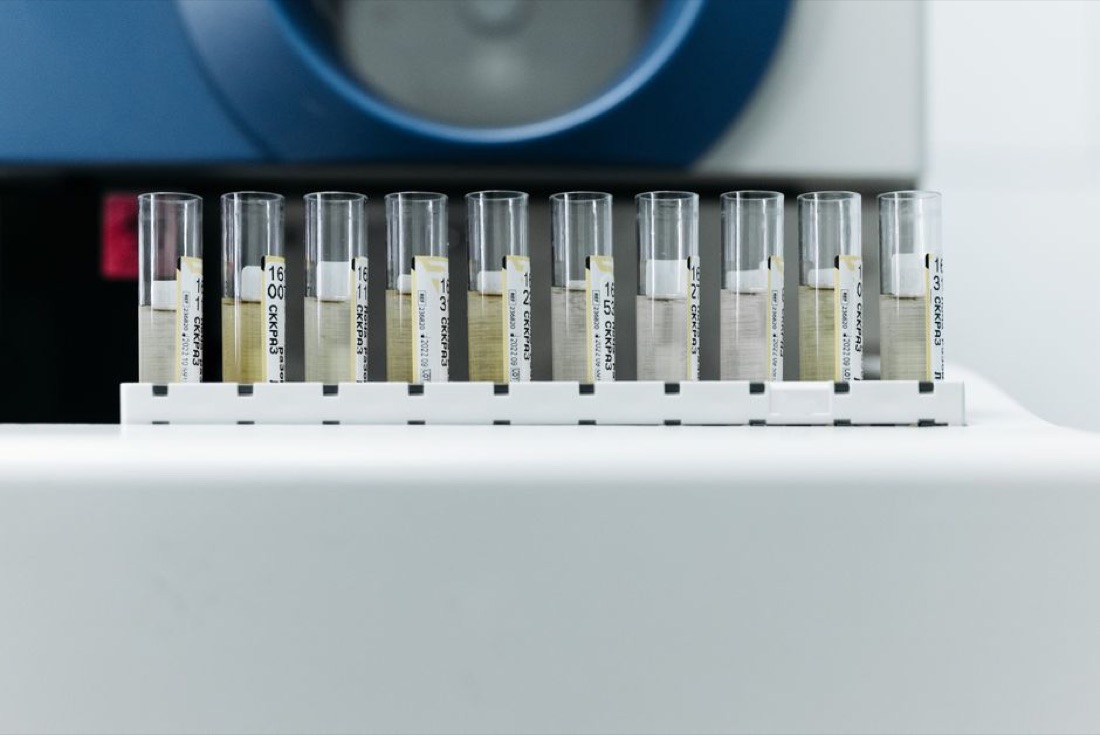
The complete urinalysis, abbreviated as "UA" in the laboratory, has three stages:
- Physical examination: Color, appearance (clear/cloudy), and specific gravity (density).
- Chemical examination (strip/dipstick): pH, protein, glucose, ketone, blood, leukocyte esterase, nitrite, bilirubin, urobilinogen.
- Microscopic examination (sediment): Leukocytes, erythrocytes, epithelial cells, bacteria, casts, crystals, yeast.
These three sections are interpreted together. A single "+" sign on one line does not establish a diagnosis on its own; the physician evaluates the result together with the child's age, complaints, and examination findings.
The Key to an Accurate Result: Collecting the Sample Correctly
Most erroneous results in urine testing arise not from the laboratory but from the sample collection stage.
- In toilet-trained children: Hands are washed, the genital area is cleaned front to back, the first part of the urine is passed into the toilet, and then the midstream urine is collected in a sterile container.
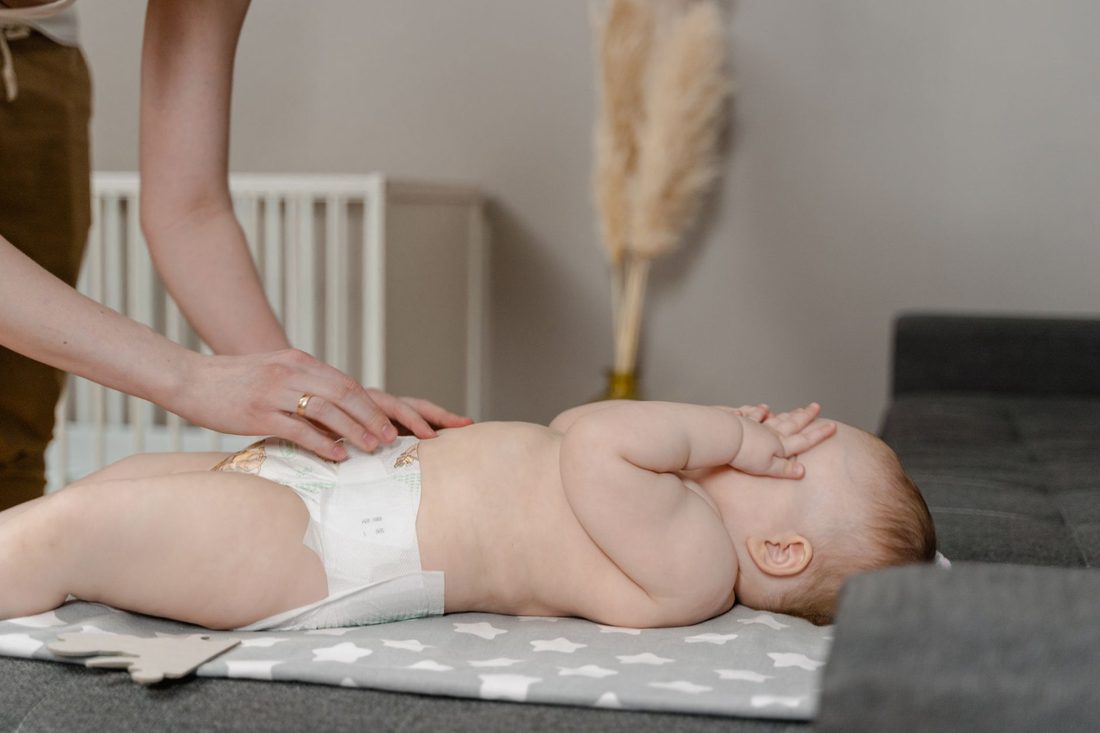
- In infants: The urine collection bag method attached to the genital area is practical but is easily contaminated by skin flora. A "clean" bag sample is reassuring; a contaminated one is not sufficient for diagnosing infection. If a urinary tract infection is suspected in a febrile infant, a catheter sample may be needed for culture.
- Timing: The sample should reach the laboratory within 1-2 hours at the latest; if there will be a delay, it should be stored in the refrigerator. In urine that sits too long, bacteria multiply, cells break down, and the result becomes misleading.
- The first morning urine is the most concentrated urine and is therefore the most valuable sample for evaluating protein and sediment.
Physical Findings: Color and Specific Gravity
Color: Normal urine is pale yellow to straw-colored. Very pale urine suggests excessive fluid intake, while dark yellow suggests inadequate fluid intake or a febrile illness. Pink-red urine may indicate blood, but can also be caused by beets, blackberries, certain food dyes, and certain medications. Tea-colored or cola-colored urine is a typical sign of bleeding originating from the kidney filter and must always be evaluated.
Cloudiness: On its own, it is not a sign of disease; crystals, phosphate salts, or standing time can also cause cloudiness.
Specific gravity (density): The normal range is approximately 1.003-1.030. Persistently low specific gravity suggests problems with the kidney's ability to concentrate urine, while very high specific gravity suggests dehydration.
Chemical Findings: What Do the Strip Results Show?
Leukocyte esterase and nitrite
These two lines are the main clues for a urinary tract infection.
- Positive leukocyte esterase indicates the presence of inflammatory cells in the urine. Its sensitivity is high but its specificity is low: fever, constipation, vulvovaginitis, kidney stones, and a contaminated sample can also cause a positive result.
- Positive nitrite is much stronger evidence of the presence of bacteria. However, since urine needs to remain in the bladder for at least a few hours, nitrite may come back negative even if infection is present in infants who urinate frequently.
If both are positive, the likelihood of infection is high; still, a definite diagnosis is made with a urine culture, and the antibiotic decision is reviewed based on the culture. We covered the symptoms, treatment, and ways to prevent recurrence of urinary tract infections in detail in our article on cystitis in children (bladder infection).
Protein
On the strip, protein is reported as "trace, +, ++, +++". A single instance of mild protein is usually temporary: fever, intense exercise, cold, stress, dehydration, or standing for a long time (orthostatic proteinuria) can cause it. What matters is persistence: protein excretion that recurs on different days requires kidney evaluation. You can find details on this topic, when further testing is needed, and the symptoms of nephrotic syndrome in our article on protein in children's urine (proteinuria).
Blood (erythrocytes)
When the strip shows "blood +", this does not always mean visible bleeding. Microscopic blood can be seen in febrile illness, intense exercise, kidney stones, urinary tract infection, inflammation of the kidney filter (glomerulonephritis), or familial bleeding tendencies. If visible blood is accompanied by swelling around the eyes and high blood pressure, kidney inflammation should be considered; we discussed this picture in our article on kidney inflammation in children (nephritis and pyelonephritis).
Glucose and ketones
Glucose is not normally found in urine. Detecting sugar in the urine suggests high blood sugar (diabetes) and must always be confirmed with a blood test. Positive ketones, on the other hand, are commonly seen with fasting, vomiting, diarrhea, or a prolonged inability to eat; if blood sugar is also high, urgent evaluation is needed.
pH
Normal urine pH is approximately between 4.5 and 8 and is affected by diet. Persistently very high or very low pH can give a clue about the type of stone in children with a history of recurrent kidney stones.
Bilirubin and urobilinogen
Bilirubin is not normally found in urine; a positive result requires liver or bile duct evaluation. If jaundice is accompanied by dark urine and pale-colored stool, a doctor should be consulted without delay.
Microscopic Examination: What Does the Sediment Show?
- Leukocytes (white blood cells): Generally, more than 5 per high-power field is considered significant and indicates an inflammatory process.
- Erythrocytes (red blood cells): Again, more than 5/HPF is significant. If the cells are misshapen (dysmorphic), the source is thought to be the kidney.
- Bacteria: Heavy bacteria in a fresh sample is significant; in a sample that has been left standing, it is misleading.
- Epithelial cells: A large number of squamous epithelial cells indicates that the sample, for example, was contaminated by skin flora; such a result generally should be repeated.
- Casts: These are structures that form in the kidney tubules. Hyaline casts can be harmless; red cell or white cell casts point to a problem originating from kidney tissue.
- Crystals: Crystals such as calcium oxalate or uric acid can also be seen in healthy children. However, if accompanied by flank/abdominal pain or blood, evaluation for stones is needed; we explained the details in our article on kidney stones in children.
Urine Culture and What Tests May Be Needed Afterward?
A urine test is a test that "raises suspicion"; the urine culture is the definitive proof of infection. The culture identifies which bacteria is growing and which antibiotic it is sensitive to (antibiogram). Therefore, if antibiotics are going to be started, the culture sample must be taken before the antibiotic; a sample taken afterward may come back misleadingly clean. Culture results are usually finalized within 48-72 hours.
Depending on the findings in the test, your doctor may request the following steps:
- Repeating the test: Especially in cases of suspected mild protein, a single instance of blood, or a contaminated sample, the most accurate step is to repeat it on a different day with morning urine.
- Protein/creatinine or calcium/creatinine ratio in morning urine: Used to clarify the source of the protein or blood.
- Blood tests: Kidney function (urea, creatinine), infection markers, and blood sugar if needed.
- Urinary system ultrasound: Shows the structure of the kidneys and bladder in young children who have had a febrile urinary tract infection, in cases of suspected stones, and in recurrent infections. It does not involve radiation and is painless.
- Blood pressure measurement and growth monitoring: Quite valuable for catching the silent signs of kidney-related problems.
Common Mistakes When Interpreting the Result
- Panicking over a single "+" sign. A urine test is a snapshot; it only becomes meaningful when combined with the clinical picture.
- Starting antibiotics without waiting for the culture result, or stopping them early. Unnecessary antibiotics create resistance; incomplete treatment leads to recurrence of infection.
- Mistaking a contaminated sample for "infection". Abundant epithelial cells and growth of many different bacteria is generally a sign of contamination.
- Evaluating a recurrent urinary tract infection on its own. Especially under the age of two, recurrent infections may be a sign of a structural problem in the urinary tract; ultrasound and, if necessary, further testing is needed.
- Overlooking constipation and toilet habits. Constipation and holding urine for a long time set the stage for both infection and daytime-nighttime bedwetting problems.
When Should You See a Doctor?
In the following situations, see a doctor without wasting time, whether or not you are still waiting for the urine test result:
- Fever of 38°C or higher in an infant under 3 months (a urine test is essential for any fever without an identifiable source).
- Visibly bloody, tea-colored, or cola-colored urine.
- Flank/back pain, chills, or vomiting along with fever — may indicate an infection that has spread to the kidney.
- Swelling around the eyes in the morning, swelling in the legs, sudden weight gain.
- A marked decrease in urine output or no urination for 8-12 hours.
- Severe burning while urinating, frequent small-volume urination, groin pain.
- Renewed daytime wetting in a child who has completed toilet training.
- Excessive thirst and excessive urination together with weight loss — urgent if sugar is detected in the urine.
- Recurrent urinary tract infection (especially under the age of two).
- Recurrent protein or blood detected on urine tests.
Regardless of the result, rather than comparing the test sheet with generic tables found online, it is best to show it to the physician examining your child. These tests become far more meaningful within regular follow-up; that is why urine and kidney health evaluation is a natural part of the well-child follow-up program.
You can book an appointment in Gaziantep for the evaluation of your child's urine test results, investigation of recurrent urinary tract infections, and kidney health follow-up; you can find examination and working hours on the Gaziantep pediatrician page.
Frequently Asked Questions
In toilet-trained children, the genital area is cleaned front to back, the first part of the urine stream is passed into the toilet, and a midstream urine sample is collected in a sterile container. In infants, samples collected with a collection bag are frequently contaminated; if infection is suspected, a catheter sample may be needed for culture. The sample should reach the laboratory within 1-2 hours at the latest.
No. Although elevated leukocytes are the most common sign of a urinary tract infection, febrile illnesses, constipation, vulvovaginitis, kidney stones, intense exercise, and a contaminated sample can also show leukocytes. A urine culture is required for a definite diagnosis; the decision to use antibiotics is made together with the culture result and the child's symptoms.
Nitrite forms when certain bacteria break down nitrate in the urine, and a positive result is quite significant for a bacterial urinary tract infection. However, if the urine has not remained in the bladder long enough, nitrite may come back negative even if infection is present; therefore a negative result does not rule out infection.
A single mild protein finding is usually temporary, caused by fever, exercise, dehydration, or prolonged standing. Persistent protein excretion, however, requires kidney evaluation. It is appropriate to repeat the test and, if needed, check the protein/creatinine ratio in the first morning urine.
Routine screening urine tests are not recommended in most guidelines for healthy children without complaints. However, when the cause of fever cannot be found, or when there are urinary complaints, abdominal/back pain, bedwetting, swelling, high blood pressure, or growth delay, a urine test is one of the first-line investigations.
📅 Book an appointment for your child's health
Book an online appointment with Specialist Dr. Hasan Keleş in Gaziantep — instant confirmation.
Book an Appointment Online