 Uzm. Dr. Hasan Keleş
- May 8, 2026
- 2 min read
- Kidney and Urinary Tract
- — reads
Kidney stones are not an adults-only condition; their frequency in children has been rising in recent years. Our country lies in a region where childhood stone disease is relatively common; familial predisposition and metabolic causes linked to consanguineous (close-relative) marriages are important factors.
Symptoms
- Flank or abdominal pain (in young children, restlessness without being able to describe where it hurts)
- Blood in the urine (visible to the eye or detected on testing)
- Nausea and vomiting
- Recurrent urinary tract infections
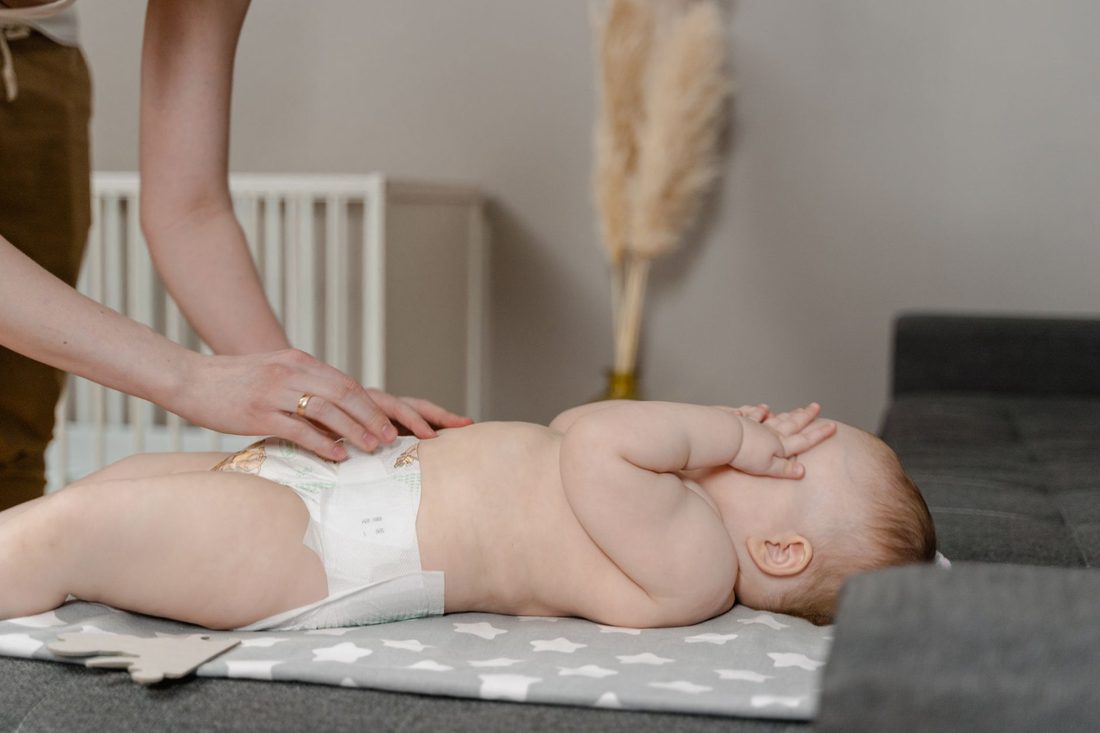
- In infants, sometimes the only sign: pink-red sand-like stains in the diaper
Some stones cause no symptoms at all and are found incidentally on ultrasound.
What Does Crystal Excretion in the Urine Mean?
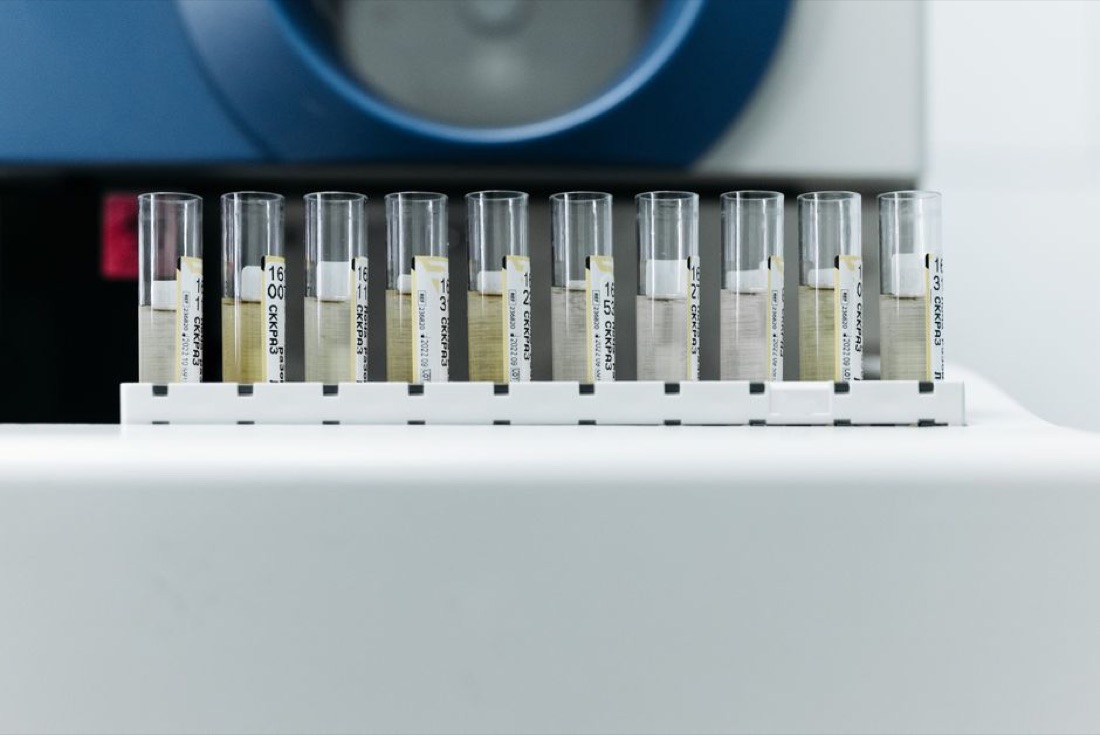
Seeing crystals on a urine test does not always mean there is a stone; it can be temporary due to concentrated urine and diet. However, if there is recurrent heavy crystal excretion plus a family history of stones, a metabolic evaluation is performed (measuring calcium, uric acid and citrate in the urine).
Why Do They Form and How Can They Be Prevented?
The most important correctable factor is drinking too little water. The basics of prevention:
- Plenty of water appropriate for the child's age (urine should be pale yellow and clear)
- Reducing salt (chips, processed food, pickles, brined foods)
- Avoiding excessive animal protein and cola consumption
- Not restricting calcium — dairy products should be consumed normally; restricting calcium can increase the risk of stones
Treatment
Small stones can pass with plenty of fluids and pain control; for large or obstructing stones, lithotripsy (stone-breaking) or surgical options are planned together with pediatric urology. In every child who passes a stone, an investigation into the cause should be carried out, because the risk of recurrence is high.
📅 Online appointment for your child: Uzm. Dr. Hasan Keleş — appointment page
Related articles: UTI · Kidney diseases
This article is for general information purposes only and is not a substitute for diagnosis and treatment. For any concerns about your child's health, be sure to consult a pediatric (child health and diseases) specialist.
Uzm. Dr. Hasan Keleş — Specialist in Pediatrics (Child Health and Diseases), Gaziantep
Frequently Asked Questions
Lower water intake, more processed food and salt, less physical activity and certain metabolic tendencies are the main reasons. A family history of stones also raises the risk.
A large share of small stones can pass with generous fluid intake. Size, position and whether the stone blocks urine flow decide the approach.
No. Crystals alone do not mean a stone; they indicate a tendency. Fluid intake and diet are adjusted and the child is followed.
Severe flank pain, blood in the urine, pain with fever, vomiting or inability to pass urine all need assessment without delay.
📅 Book an appointment for your child's health
Book an online appointment with Specialist Dr. Hasan Keleş in Gaziantep — instant confirmation.
Book an Appointment Online