 Uzm. Dr. Hasan Keleş
- May 7, 2026
- 2 min read
- Kidney and Urinary Tract
- — reads
Childhood kidney diseases can progress silently; that is why knowing the warning signs and never skipping routine check-ups is the key to early diagnosis.
Warning Signs
- Changes in urine color: tea-colored, pink-red, persistently foamy urine
- Swelling of the eyelids, face and legs (edema)
- A marked decrease or increase in urine output; frequent nighttime urination
- Recurrent urinary tract infections and unexplained fevers
- Growth retardation, paleness, fatigue
- High blood pressure in a child (blood pressure should be measured at every well-child check from the age of 3)
Congenital Anomalies of the Kidney and Urinary Tract
The leading cause of chronic kidney disease in children is congenital structural problems: failure of the kidney to develop, narrowing of the urinary channels, and vesicoureteral reflux (backflow of urine from the bladder to the kidney). Most are detected on prenatal ultrasounds or while investigating recurrent UTIs. Prolapse of the bladder is rare in children and is usually evaluated together with an underlying structural or neurological problem.
What Should Be Done for Early Diagnosis?
- Kidney findings detected during pregnancy must definitely be followed up after birth
- Imaging should be performed in cases of recurrent UTIs
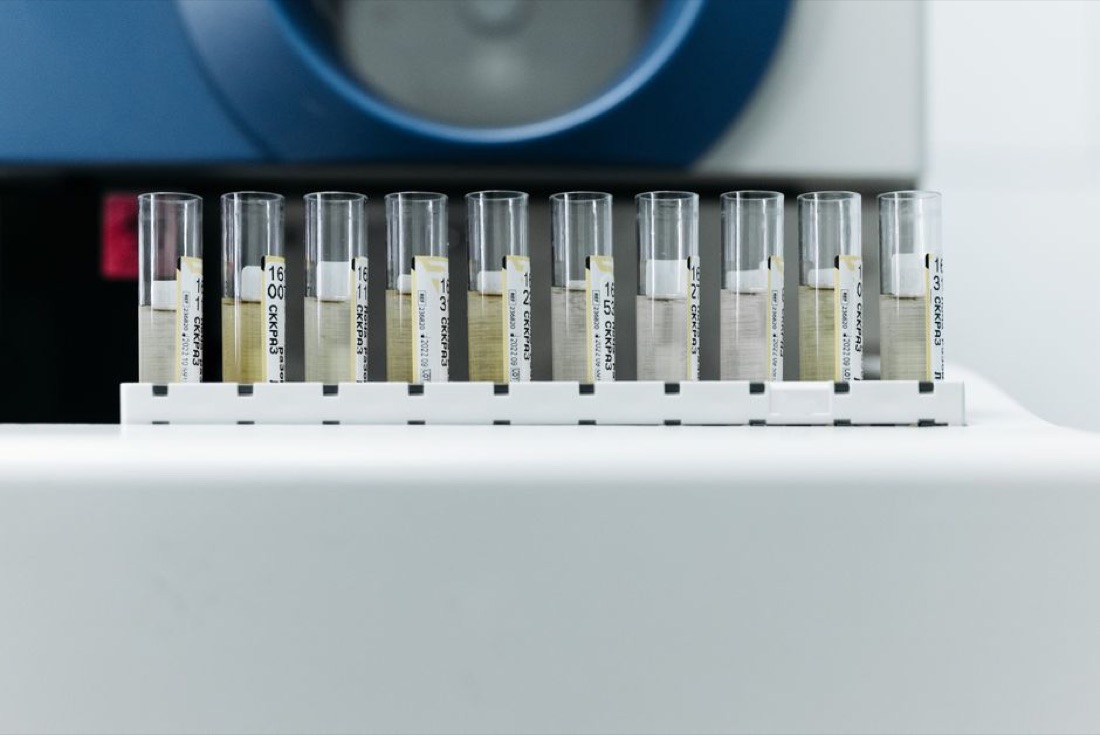
- Urinalysis and blood pressure should not be neglected at routine well-child check-ups
- The habit of drinking plenty of water and going to the toilet regularly should be taught
📅 Online appointment for your child: Specialist Dr. Hasan Keleş — appointment page
Related articles: Kidney inflammation · Kidney stones · Protein in urine
This article is for general information purposes only; it does not replace diagnosis and treatment. For any concerns about your child's health, be sure to consult a pediatric health and diseases specialist.
Uzm. Dr. Hasan Keleş — Specialist in Pediatric Health and Diseases, Gaziantep
Frequently Asked Questions
Yes; a healthy single kidney is usually sufficient, but regular monitoring and kidney-protective lifestyle habits are important.
Some types are inherited within families (cystic diseases, predisposition to stones); a family history of kidney disease must always be mentioned during the examination.
📅 Book an appointment for your child's health
Book an online appointment with Specialist Dr. Hasan Keleş in Gaziantep — instant confirmation.
Book an Appointment Online