 Uzm. Dr. Hasan Keleş
- May 10, 2026
- 2 min read
- Kidney and Urinary Tract
- — reads
A healthy kidney filters the proteins in the blood and keeps them in the body; only a trace amount of protein passes into the urine. Finding protein on a test understandably worries parents — yet in children, the most common causes of protein in the urine are temporary and harmless.
Harmless (Temporary) Causes
- A period of febrile illness
- Intense exercise
- Dehydration, exposure to cold
- Orthostatic proteinuria: Common during adolescence; protein leaks while standing and disappears when lying down. If the first morning urine is clean, this is most likely the diagnosis, and it is benign.
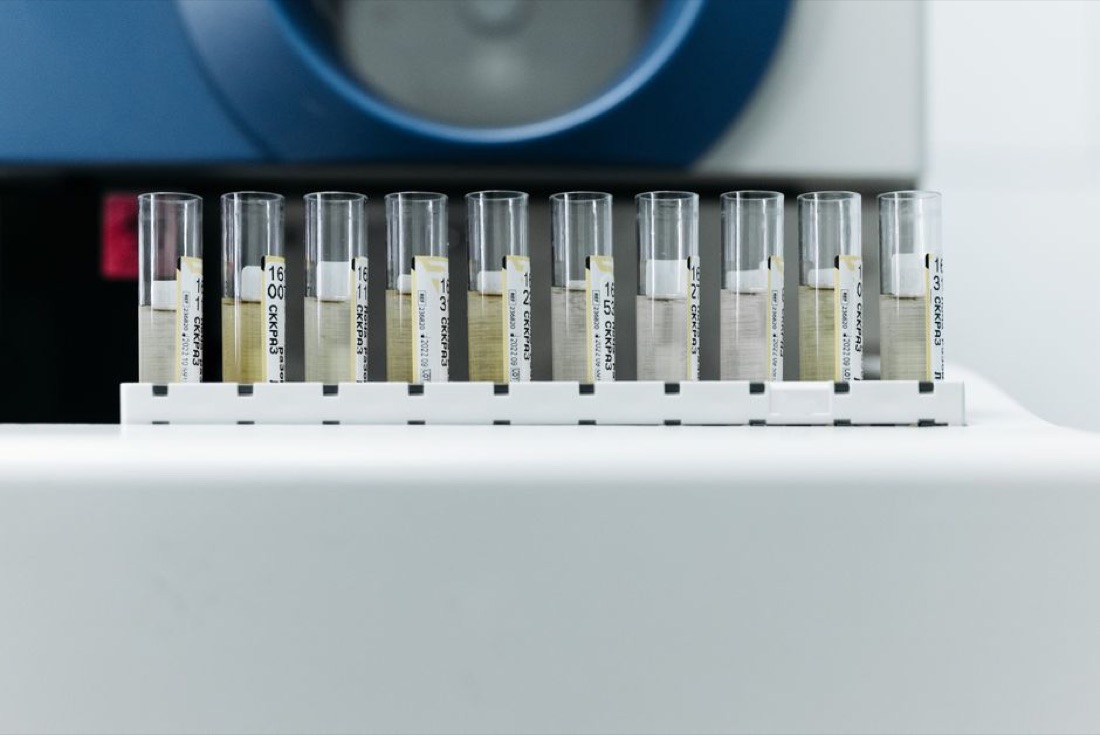
For this reason, a diagnosis is never made from a single positive result; the test is repeated during a healthy period, using the first morning urine.
Significant Causes
Persistent and marked proteinuria can be a sign of kidney disease. The best known of these in children is nephrotic syndrome:
- Swelling (edema) of the eyelids in the morning and of the legs during the day
- Foamy urine
- Weight gain (fluid accumulation), abdominal swelling
These findings should be evaluated without delay; nephrotic syndrome generally responds well to treatment in children but requires regular follow-up. Glomerulonephritis and diabetes are among the other causes.
How Is Follow-Up Done?
If positivity recurs, the urine protein/creatinine ratio, blood tests, and blood pressure measurement are used for evaluation; if necessary, the child is referred to pediatric nephrology.
📅 Online appointment for your child: Dr. Hasan Keleş, MD — appointment page
Related articles: Kidney inflammation · Kidney diseases
This article is for general information purposes only; it does not replace diagnosis and treatment. For any concerns about your child's health, always consult a pediatric health and diseases specialist.
Uzm. Dr. Hasan Keleş — Specialist in Pediatric Health and Diseases, Gaziantep
Frequently Asked Questions
No; dietary protein does not leak into the urine in a healthy kidney.
Mostly no; a follow-up test during a healthy period is sufficient.
📅 Book an appointment for your child's health
Book an online appointment with Specialist Dr. Hasan Keleş in Gaziantep — instant confirmation.
Book an Appointment Online