 Uzm. Dr. Hasan Keleş
- May 9, 2026
- 2 min read
- Kidney and Urinary Tract
- — reads
Nighttime bedwetting occurs in about 15% of 5-year-old children, and each year a significant portion of these children become dry on their own. In other words, nighttime wetting is considered normal up to age 5; if it continues at a frequency of 2 or more times per month after age 5, evaluation is recommended.
Causes
- Familial predisposition (the risk increases markedly if a parent has a history of it)
- The combination of deep sleep and a full-bladder signal that fails to wake the child
- Delayed maturation of the hormone that reduces nighttime urine production
- Small bladder capacity
- Constipation — the most commonly overlooked correctable cause
- Urinary tract infection; this must always be investigated if there is daytime wetting as well
- Stress factors and, rarely, diabetes in wetting that restarts after a dry period
Golden Rules for Families
Never punish or shame your child — bedwetting is not done on purpose, and blaming delays treatment. Praise dry nights without overdoing it. Reduce fluids in the last 1–2 hours of the evening, and send the child to the toilet before bed; cut out caffeinated drinks (cola, tea).
Treatment
If there is constipation, that is corrected first. From age 6–7 onward, the most effective method is alarm therapy (a bedwetting alarm; it requires patience but has a high lasting success rate). In selected cases, medication that reduces nighttime urine is used under a doctor's supervision (it is also practical for occasions such as camp or a school trip).

📺 Related Video
Potty Training in Children
Instagram video by Specialist Dr. Hasan Keleş. Click to play.
Watch on Instagram →Frequently Asked Questions
It can be practical in the preschool period; because it may reduce motivation during the treatment process, the decision should be made together with the doctor in older children.
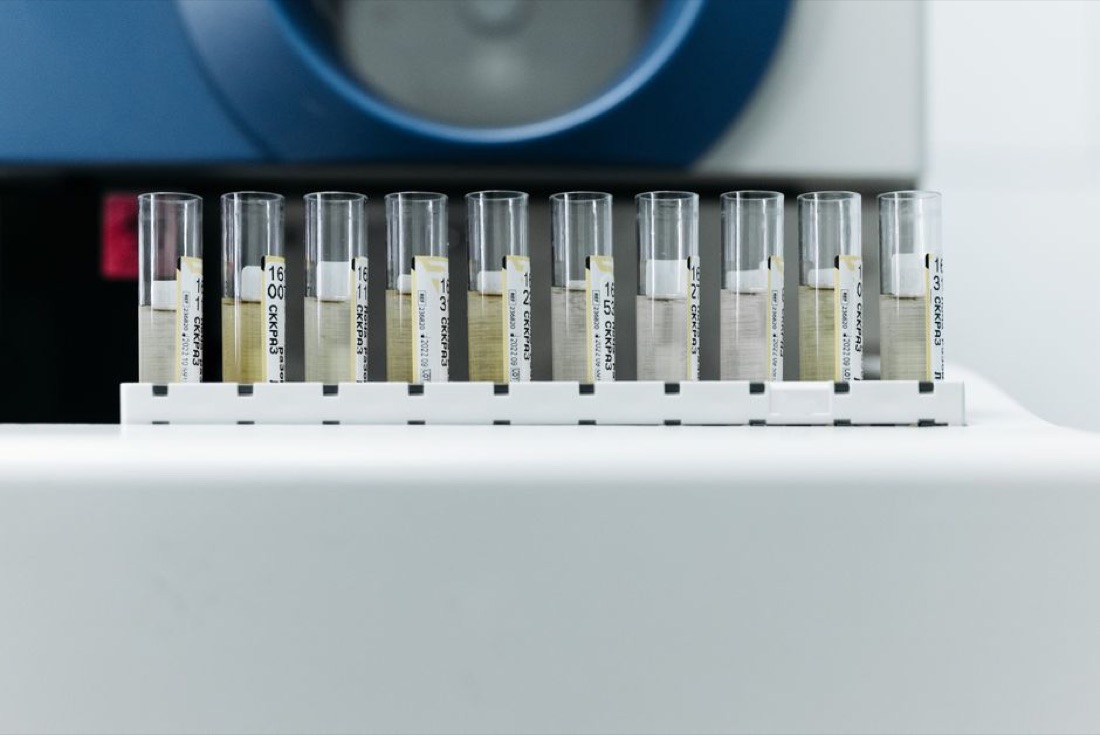
A simple urine test is enough for most children; if there are daytime symptoms, further investigation is planned.
📅 Book an appointment for your child's health
Book an online appointment with Specialist Dr. Hasan Keleş in Gaziantep — instant confirmation.
Book an Appointment Online