 Uzm. Dr. Hasan Keleş
- August 2, 2026
- 6 min read
- Rash Diseases
- — reads
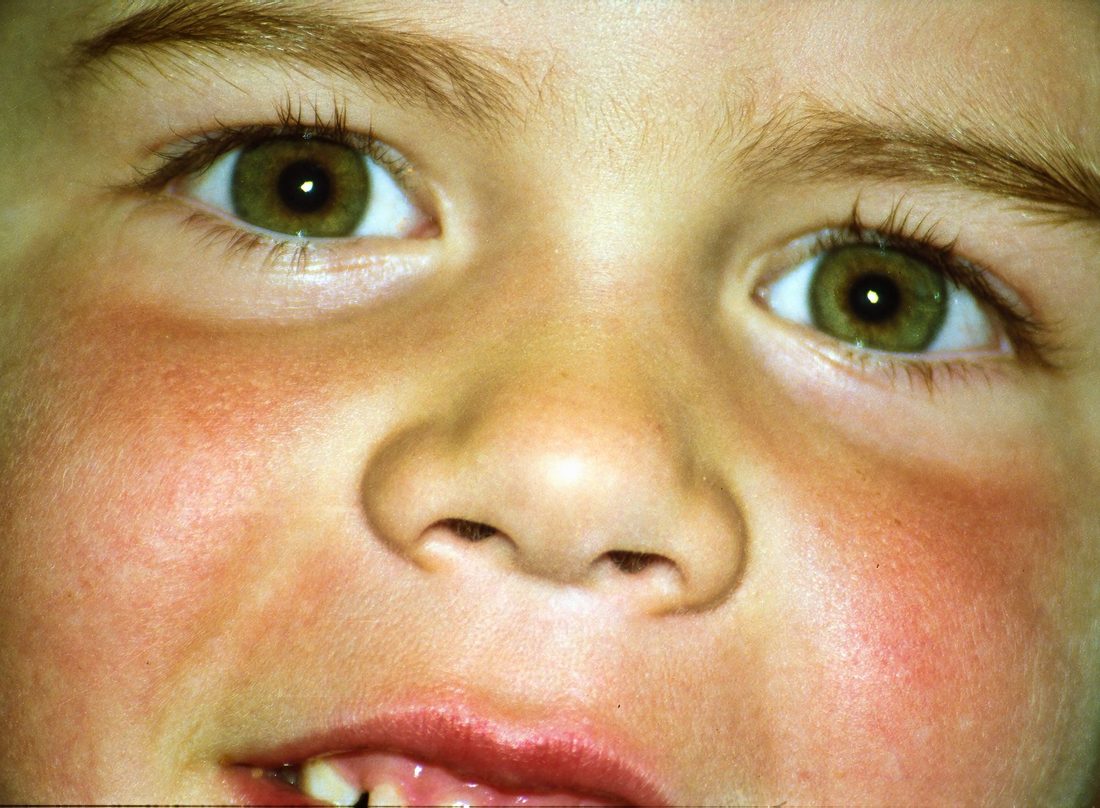
If your child wakes up with both cheeks bright red as if slapped, yet has no fever and is happily playing on, one of the first conditions that should come to mind is fifth disease. Known medically as erythema infectiosum, this illness is caused by a virus called parvovirus B19 and is a contagious infection that runs a mild course in most children.
Where does the name "fifth" come from? In the past, the childhood rash-causing illnesses were numbered in sequence: measles, scarlet fever, rubella, "fourth disease," and fifth on the list, erythema infectiosum. Odd as the name sounds, the picture is familiar: it causes small outbreaks especially among preschool and primary-school children, in nurseries and classrooms, in late winter and spring.
How Is Fifth Disease Spread?
Parvovirus B19 spreads mainly through the respiratory route: coughing, sneezing, and saliva droplets. Shared cups, cutlery, and hand contact also play a role. The virus can also spread through blood and from mother to baby during pregnancy.
The most critical point is this: a child is most contagious before the rash even appears. The incubation period is usually 4-14 days (occasionally up to 21 days). During this time there's a picture resembling an ordinary upper respiratory infection — mild fever, headache, runny nose, tiredness. No one thinks "this is fifth disease"; the virus spreads exactly during those days.
By the time the cheeks turn red, the damage — so to speak — is already done, but the good news is that at this stage contagiousness has largely ended. So there's no need to keep a child with a normal temperature and good general condition home from school.
Symptoms: A Rash in Three Stages
Fifth disease is quite distinctive in the course of its rash.
1. Prodrome (early) stage: Mild fever (usually around 38°C or none at all), headache, mild sore throat, runny nose, muscle aches. Lasts a few days.
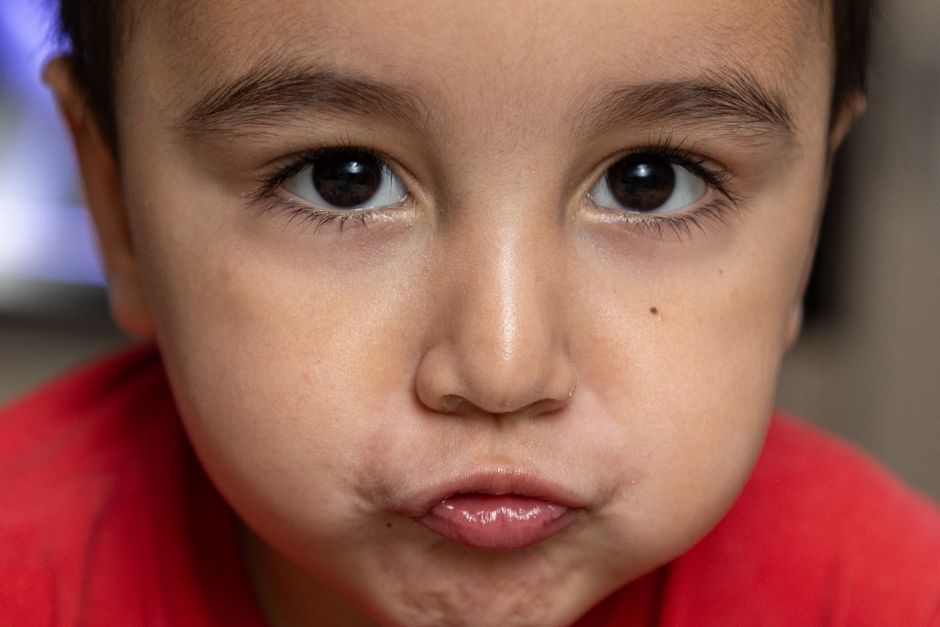
2. Slapped-cheek appearance: A few days after the prodrome, bright, sharply defined redness appears on both cheeks, sparing the area around the mouth (which stays pale). The cheeks may feel warm and slightly swollen. This fades within 2-4 days.
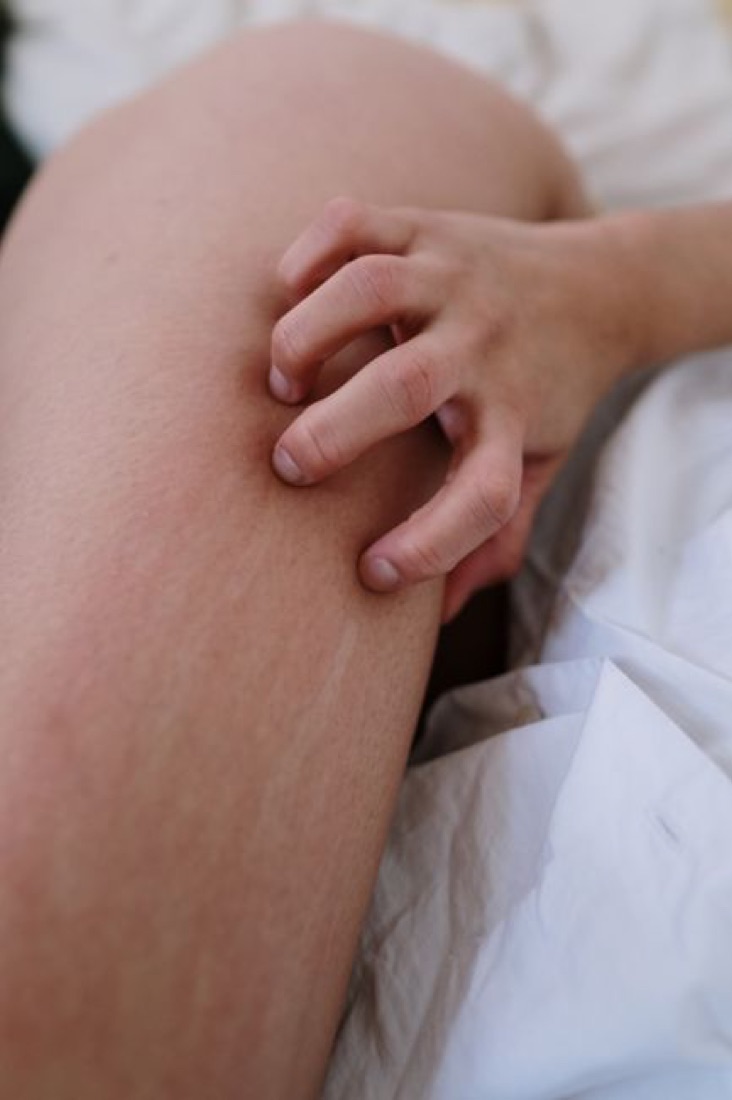
3. Lace-like (reticular) rash: As the cheek redness fades, a pinkish rash with a lace- or fishnet-like pattern, clearing in the center, appears on the trunk, arms, buttocks, and legs. It may be mildly itchy. It lasts 1-3 weeks and can reappear repeatedly for weeks with a hot bath, sun exposure, exercise, excitement, or warm weather. These recurrences do not mean the illness has come back and are not contagious.
In teenagers and adults the picture is somewhat different: the rash may be faint, while joint pain and swelling in the wrists, fingers, knees, and ankles can be more prominent. This usually resolves within a few weeks without lasting damage.
Which Illnesses Can It Be Confused With?
The most critical step in examining a child with a rash is the differential diagnosis:
- Measles: High fever, dry cough, red eyes, and a spreading dark-red rash, with a clearly sick-looking child. We covered the details in our article on measles in children.
- Rubella: A fainter pink rash and swollen lymph nodes behind the ears and neck stand out; you can take a look at our article on rubella.
- Scarlet fever: A sandpaper-like rash concentrated on the neck and groin, strawberry tongue, and a throat infection picture.
- Roseola (sixth disease): A trunk-predominant rash that appears after a high fever lasting 3-5 days breaks.
- Hives (urticaria): Raised, itchy, migrating welts. Our article on hives in children can help tell them apart.
- Heat rash and sunburn: Common and harmless causes of cheek redness in summer.
If you're curious about how viruses generally behave and why antibiotics don't work for most rash-causing illnesses, our guide to viral infections in children covers this topic in detail.
A Lesser-Known Presentation: Glove-and-Sock Pattern
Parvovirus B19 doesn't always present with the classic cheek redness. Especially in older children and teenagers, a pattern with sharply defined redness resembling gloves and socks on the hands and feet, along with swelling, itching, and burning (papular-purpuric gloves-and-socks syndrome) can occur. Small sores in the mouth may accompany it. It usually resolves on its own within 1-3 weeks; however, if purple spots that don't fade with pressure appear on the hands and feet, a doctor's evaluation is essential, as this presentation can also be confused with other, more serious illnesses.
Can a Child Catch It Again After Having It Once?
A child who has had fifth disease usually develops lifelong immunity; getting sick a second time with the same virus is not expected. A significant portion of adults have had this virus in childhood without even realizing it. So the rash reappearing weeks later is not "catching it again" but a temporary skin reaction to heat and sun. That said, keep in mind that other similarly-appearing rash illnesses can each be caught separately; not every case of cheek redness is fifth disease.
How Is It Diagnosed?
In a healthy child, the diagnosis is usually made on examination alone: the typical cheek appearance, followed by the lace-like rash, along with the child's otherwise good general condition, are enough. Routine blood tests are not needed.
A blood test (parvovirus B19 IgM/IgG antibodies or PCR) is considered in these specific situations:
- If pregnancy is involved and there's suspected exposure,
- If the child has an inherited anemia (sickle cell disease, thalassemia, hereditary spherocytosis),
- In children with a suppressed immune system (chemotherapy, long-term steroid use, immune deficiency),
- If the presentation is atypical or joint complaints are prolonged.
Treatment: Supportive Care Is Enough
There is no specific antiviral drug or protective vaccine effective against parvovirus B19. In healthy children, the illness resolves on its own. What to do at home:
- Give plenty of fluids — water, ayran (yogurt drink), freshly squeezed fruit juice.
- If there is fever or pain, use the fever reducer at the dose recommended by your doctor. Aspirin should not be given to children.
- If the rash itches, a lukewarm (not hot) shower, loose cotton clothing, and, if needed, a moisturizer recommended by your doctor. Hot water makes the rash more prominent.
- Avoid the sun during peak hours, as it can flare up the rash.
- Antibiotics are useless — the illness is viral, not bacterial.
The redness on the cheeks and the lace-like pattern on the body can come and go for weeks. This does not mean recovery is delayed; it reflects the skin's ongoing vascular reaction.
Who Might Be at Risk?
Fifth disease is harmless in most children. However, parvovirus B19's ability to temporarily suppress red blood cell production in the bone marrow becomes important in certain groups:
- Children with inherited anemia: Sudden and severe anemia (aplastic crisis) can develop in sickle cell disease, thalassemia, or spherocytosis. In these children, paleness, extreme fatigue, and shortness of breath require urgent evaluation.
- Children with suppressed immunity: The virus may not be cleared and can lead to prolonged anemia.
- Pregnant women: In non-immune pregnant women, especially in the first 20 weeks, there is a risk of fetal anemia, hydrops fetalis, and rarely pregnancy loss. The overall risk is low, and the virus has not been shown to cause congenital anomalies; still, a pregnant woman with a history of exposure should consult her own physician.
If there's a sibling at home with an inherited blood disorder, or if the mother is pregnant, it's a good idea to inform your pediatrician when fifth disease is reported in the classroom. Following up on such special situations is also part of regular well-child follow-up.
When Should You See a Doctor?
See your pediatrician without delay in the following situations:
- Noticeable paleness, pale lips or nail beds
- Extreme fatigue, drowsiness, stopping play, refusing to feed
- Rapid or labored breathing
- Fever lasting more than 3 days or rising above 39°C
- Joint swelling or difficulty walking together with the rash
- Purple-red spots on the skin that don't fade with pressure (petechiae/purpura)
- Neck stiffness, severe headache, vomiting
- Any rash if the child has a known blood disorder, immune deficiency, or history of cancer treatment
- If there is a pregnant person at home and exposure is suspected
- Any fever or rash in infants under 3 months
What Can Be Done to Prevent It?
Since there is no vaccine, prevention relies on basic hygiene habits:
- Frequent and proper handwashing (at least 20 seconds, with soap)
- Teaching children to cough or sneeze into the elbow
- Not sharing cups, straws, or utensils
- Cleaning toys and frequently touched surfaces used by a sick child
- Being mindful of contact with children who have inherited anemia or suppressed immunity during outbreak periods
Remember that most other rash-causing illnesses can be prevented with vaccines; keeping up with the schedule matters for illnesses like measles, rubella, and chickenpox. For details on the vaccination schedule, see our vaccination services page.
In Summary
Fifth disease has a frightening name but is usually a calm childhood infection. The telltale clue is the slapped-cheek appearance that follows a few feverish days, and the lace-like rash that follows it. Once the rash appears, the child is no longer contagious and can return to school. The groups that truly need attention are children with inherited anemia, children with suppressed immunity, and non-immune pregnant women.
When you notice cheek redness or a spreading rash, the right step is to have it examined rather than try to interpret it at home. The type of rash, its distribution, and accompanying findings are decisive in distinguishing similar-looking illnesses.
You can book an appointment for your child's rash evaluation and differential diagnosis in Gaziantep; you can find office and directions on our Gaziantep pediatrician page.
This content is for informational purposes only and does not replace a doctor's examination.
Frequently Asked Questions
The most contagious period of fifth disease is during the flu-like days before the rash appears. By the time the redness on the cheeks shows up, contagiousness has largely ended. So a child without fever who is generally doing well does not need to be kept home from nursery or school.
The bright redness on the cheeks usually fades within 2-4 days. The lace-like rash that then appears on the trunk and arms can last 1-3 weeks. It's normal for it to reappear for weeks after a hot bath, sun exposure, exercise, or excitement, and this does not mean the illness has come back.
There is no vaccine developed against parvovirus B19, nor a specific antiviral medicine. Treatment in healthy children is supportive: plenty of fluids, rest, and, if needed, a fever reducer recommended by the doctor for fever and pain. Antibiotics have no effect on the virus.
Most pregnant women have had this virus in childhood and have developed immunity. In non-immune pregnant women, especially in the first 20 weeks, there is a small but real risk of fetal anemia and hydrops. A pregnant woman whose child or classroom has a case of fifth disease should, without panicking, consult her own physician and get a blood test if needed.
Yes, it can. Measles involves high fever, cough, red eyes, and a spreading dark-red rash, with a clearly sick-looking child. In fifth disease, when the rash appears, the child is mostly doing well, and the picture is dominated by sharp redness on both cheeks. A doctor's examination clarifies the distinction.
📅 Book an appointment for your child's health
Book an online appointment with Specialist Dr. Hasan Keleş in Gaziantep — instant confirmation.
Book an Appointment Online