 Uzm. Dr. Hasan Keleş
- May 22, 2026
- 2 min read
- Rash Diseases
- — reads
Rubella, also commonly known as "three-day measles," is a viral rash illness that usually follows a mild course in children. Its main significance is that, when contracted during pregnancy, it can cause severe congenital anomalies in the baby (congenital rubella syndrome: hearing loss, cataract, heart defects). Vaccinating children also protects pregnant women in the community.
Symptoms
- Mild fever, fatigue
- Marked swelling of the lymph nodes behind the ears and at the back of the neck (a typical finding)
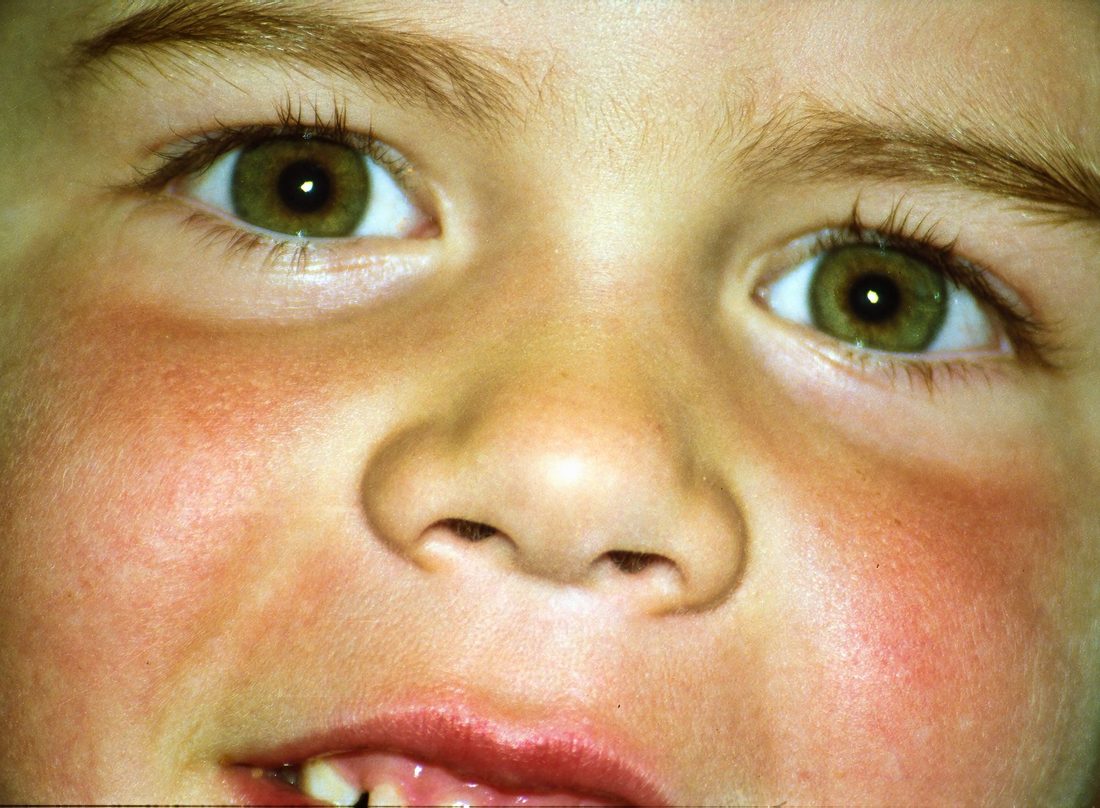
- A pink-red, fine rash that starts on the face and spreads to the body; it usually fades within 3 days
- Joint pain may accompany it in older children
Nearly half of cases pass without symptoms or very mildly.
How It Differs from Measles
In measles the fever is high, the child is unwell, and cough and red eyes are prominent, with the rash lasting 5–6 days. In rubella the picture is mild, lymph node swelling is at the forefront, and the rash clears quickly.
Treatment and Prevention
No specific treatment is required; rest and, if needed, a fever reducer are sufficient. Prevention is provided by the MMR vaccine (extra dose at 9 months, then at 12 and 48 months). A child with rubella should be kept away from pregnant women for 7 days from the onset of the rash.
📅 Online appointment for your child: Uzm. Dr. Hasan Keleş — appointment page
Related articles: Measles · Sixth disease · Vaccination schedule
This article is for general informational purposes only and is not a substitute for diagnosis and treatment. For concerns about your child's health, always consult a pediatric health and diseases specialist.
Uzm. Dr. Hasan Keleş — Specialist in Pediatric Health and Diseases, Gaziantep
Frequently Asked Questions
Immunity after the illness or after two doses of vaccine is generally lifelong.
In case of contact, the pregnant woman's immune status should be assessed with a blood test; inform her obstetrician.
📅 Book an appointment for your child's health
Book an online appointment with Specialist Dr. Hasan Keleş in Gaziantep — instant confirmation.
Book an Appointment Online