 Uzm. Dr. Hasan Keleş
- May 21, 2026
- 2 min read
- Rash Diseases
- — reads
Measles is one of the most contagious diseases known: a person with no immunity who shares the same environment with a measles patient has up to a 90% chance of becoming infected. When vaccination rates fall, outbreaks reappear around the world; for this reason, timely administration of the MMR (measles-mumps-rubella) vaccine is critically important.
Symptoms
- Onset phase (2–4 days): High fever, dry cough, runny nose, redness and watering of the eyes (the 3 C's: cough, coryza, conjunctivitis). Koplik spots resembling grains of salt may be seen on the inside of the cheeks.
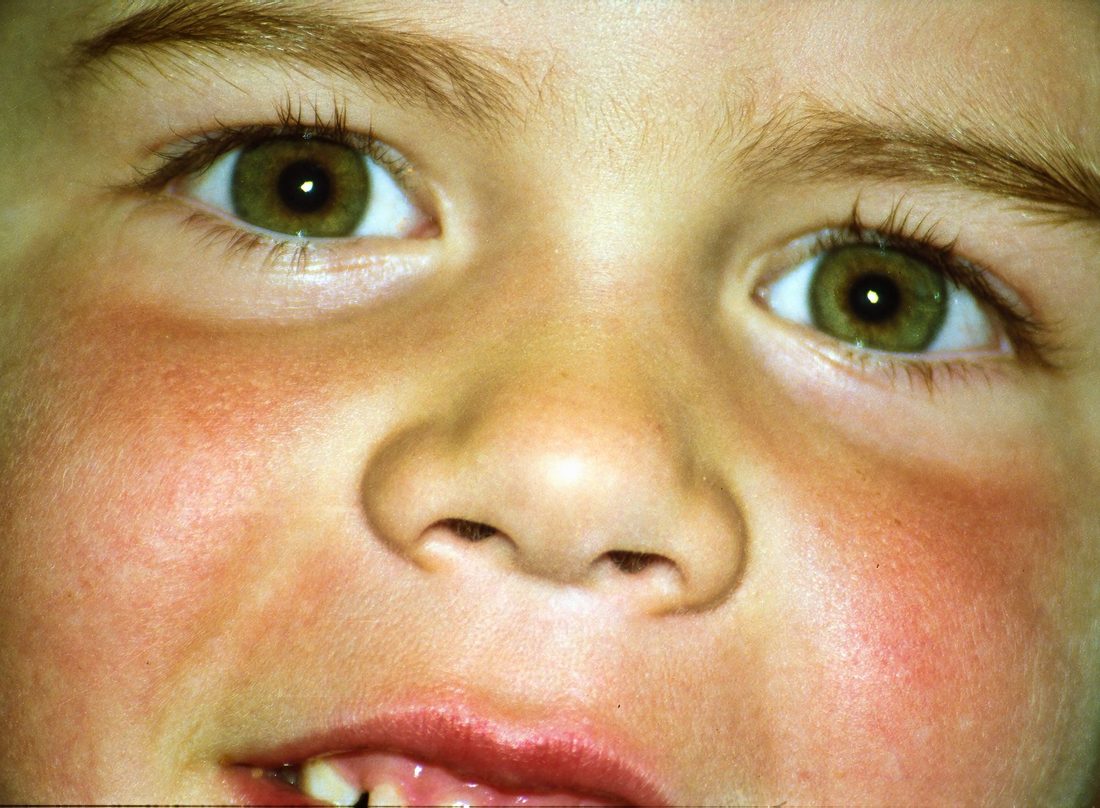
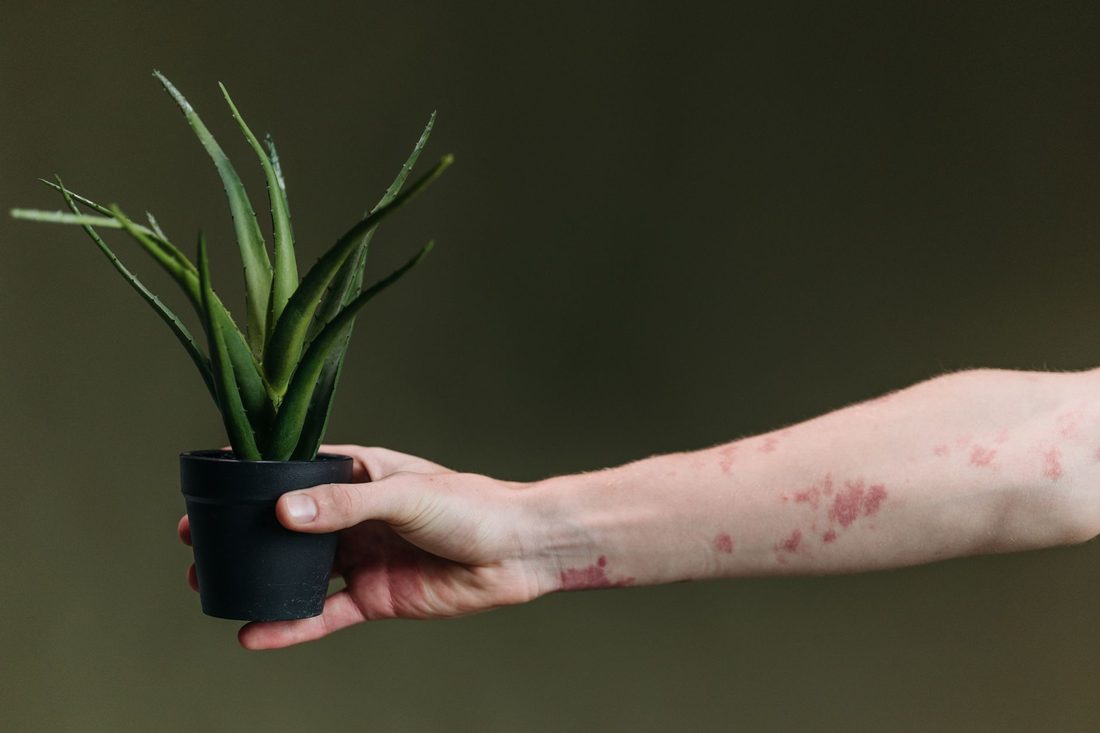
- Rash phase: While the fever is still high, a red rash starting behind the ears and along the hairline spreads to the face, trunk, arms and legs; over 5–6 days it fades, leaving a brownish mark, and the rash clears in the same order in which it appeared.
Why Is It Dangerous?
Measles is not a simple rash illness; it can lead to serious complications such as middle ear infection, diarrhea, pneumonia and brain inflammation (encephalitis). The most feared outcome is a progressive brain disease called SSPE, which can emerge years later.
Treatment and Care
There is no specific treatment; supportive care is provided and complications are closely monitored. A child with measles is given vitamin A supplementation on the advice of a doctor.
Prevention
The MMR vaccine is given in the national schedule as an extra dose at 9 months, then at 12 months and at 48 months (4 years). The vaccine is safe; large-scale studies have conclusively shown that it has no link to autism.
📅 Online appointment for your child: Uzm. Dr. Hasan Keleş — appointment page
Related articles: Vaccination schedule · Rubella · Mumps
This article is for general informational purposes only; it does not replace diagnosis and treatment. For any concerns about your child's health, always consult a specialist in pediatric health and diseases.
Uzm. Dr. Hasan Keleş — Specialist in Pediatric Health and Diseases, Gaziantep
Frequently Asked Questions
A vaccine given within the first 72 hours, or protective antibody administration within the first 6 days, can prevent or lessen the disease — see a doctor immediately.
📅 Book an appointment for your child's health
Book an online appointment with Specialist Dr. Hasan Keleş in Gaziantep — instant confirmation.
Book an Appointment Online