 Uzm. Dr. Hasan Keleş
- August 24, 2026
- 2 min read
- Rash Diseases
- — reads
Scarlet fever is an illness caused by group A beta-hemolytic streptococcus bacteria, in which a rash appears together with a throat infection. It is common at school age and is treated with antibiotics.
Symptoms
- Fever and sore throat of sudden onset
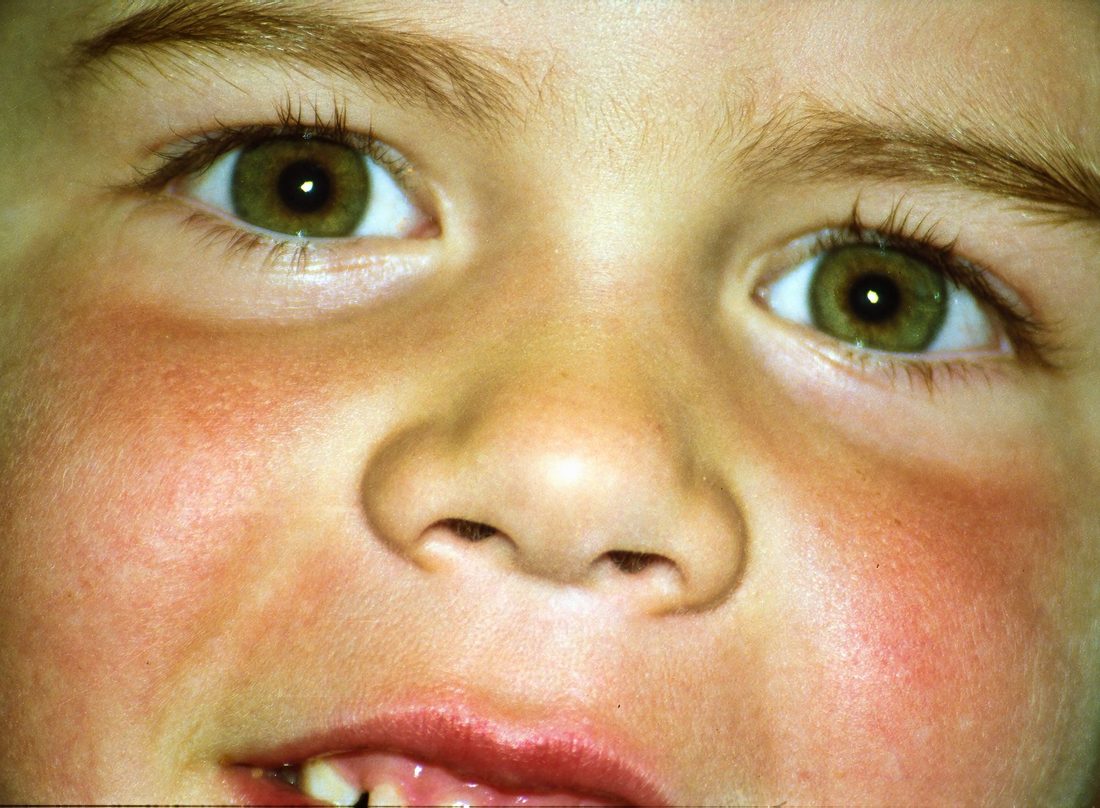
- A fine red rash that begins within 1–2 days and feels like sandpaper
- The rash becoming more pronounced in the armpits, the groin and the folds of the neck
- The area around the mouth staying pale
- A white coating on the tongue at first, followed by a "strawberry tongue" appearance
- Peeling of the hands and feet as the rash resolves
How it spreads
It spreads by droplets, through coughing and sneezing. Spread is common in crowded settings and among people living in the same home.
Diagnosis and treatment
The diagnosis is made by examination together with a throat culture or a rapid test. Treatment is carried out with an antibiotic prescribed by a doctor.
⚠ The antibiotic should not be stopped before its full course is completed. Treatment stopped early can increase the risk of late complications such as acute rheumatic fever.
Returning to school
Once a suitable antibiotic has been started, contagiousness decreases rapidly. The time to return to school is stated by the doctor.
Situations that require seeing a doctor
Persisting high fever, inability to take fluids, swelling in the neck, joint pain and swelling, darkening of the urine, shortness of breath.
Frequently Asked Questions
Because there are different toxin types, it can recur; most often it is had once.
No. Measles is caused by a virus; scarlet fever is bacterial and is treated with antibiotics.
Medication is not started on one's own for a sibling who has no symptoms; the decision belongs to the doctor.
📅 Book an appointment for your child's health
Book an online appointment with Specialist Dr. Hasan Keleş in Gaziantep — instant confirmation.
Book an Appointment Online