 Uzm. Dr. Hasan Keleş
- August 25, 2026
- 2 min read
- Muscles and Bones
- — reads
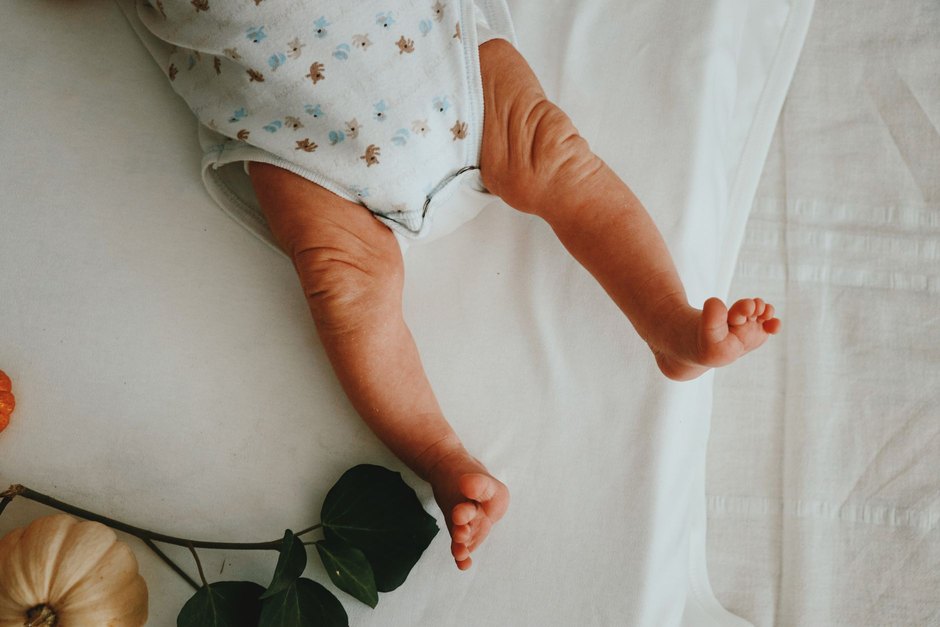
Curvature of the legs is, in most cases, an expected stage of a child's development. In infancy there is a gap between the knees (bow legs); once the child starts walking and grows, this appearance turns into knock knees and straightens out towards school age.
What to expect at each age
| Period | Expected appearance |
|---|---|
| Infancy – first steps | Mild bow legs |
| Early childhood | Bowing decreases, shifts towards knock knees |
| Preschool – school age | Knock-knee appearance decreases on its own |
These transitions happen at a different pace in every child; two children of the same age are not expected to look alike.
Situations that call for assessment
- Curvature that is one-sided
- Increasing with age, or not straightening at all
- Marked and progressively increasing asymmetry
- Pain, limping, frequent falls
- Short stature accompanying it
- A similar, unresolved history in the family
What the doctor assesses
During the examination, leg alignment, the way the child walks and the growth curve are reviewed together. If considered necessary, an X-ray and tests related to vitamin D may be requested. The aim is to distinguish the expected developmental change from one that has an underlying cause.
Common misconceptions
Correcting the curvature with a baby walker, leg binding, tight swaddling or special shoes is not a demonstrated approach. Baby walkers are also not recommended because of the risk of accidents.
Frequently Asked Questions
There is no finding to support this.
They are not needed routinely; the decision belongs to the doctor.
A marked vitamin D deficiency can affect bone development, so it is taken into account during the assessment.
📅 Book an appointment for your child's health
Book an online appointment with Specialist Dr. Hasan Keleş in Gaziantep — instant confirmation.
Book an Appointment Online