 Uzm. Dr. Hasan Keleş
- May 28, 2026
- 2 min read
- Growth and Development
- — reads
Nail biting is seen in more than one-third of school-age children and, most of the time, is a self-soothing habit rather than an illness. It persists when the hand reaches the mouth on its own during moments of distress, boredom, excitement or intense focus (while watching television or studying); the child is often not even aware of what they are doing.
Why Does It Matter?
Although it is usually harmless, it can cause: irritation of the nail bed and infections at the base of the nail, transmission of germs and parasites through the mouth, and dental and gum problems; in advanced cases the nail may undergo permanent deformity.
Methods That DON'T Work
Scolding, punishing, saying "get it out of your mouth!" every time you see the hand, and shaming — because these increase anxiety, they most often reinforce the habit.
An Approach That Works
- Identify the trigger: In which moments does it happen? (distress, screens, studying, a new sibling, changing schools…) Managing the trigger is easier than managing the habit.
- Build awareness: Without blame, agree on a private signal between you (such as a gentle tap on the shoulder).
- Give the hands an alternative: A stress ball, modeling dough; an object to keep the hands busy in front of a screen.
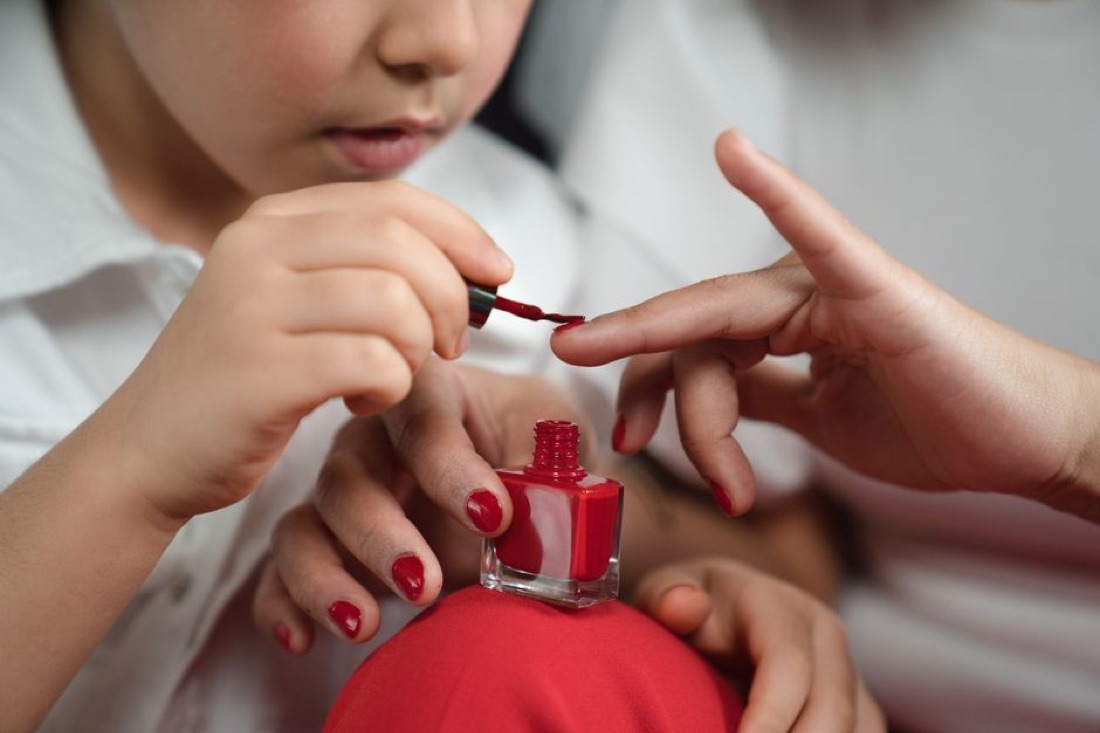
- Hand the care over to the child: Trimming the nails regularly and short, and for girls a light manicure, turns interest into "protecting" them.
- Praise small successes: The sentence "Today you didn't bite at all, I noticed" is a hundred times more effective than punishment.
- Bitter nail polishes can work as a reminder for some children; they should be used with the child's knowledge and consent.
When to Seek Professional Support?
If nail biting occurs together with intense anxiety signs such as sleep disturbance, withdrawal, school refusal, or pulling out the eyebrows or hair, or if the fingers are constantly bleeding or becoming infected, support should be sought to evaluate the underlying anxiety.

📺 Related Video
Nail Biting in Children
Instagram video by Specialist Dr. Hasan Keleş. Click to play.
Watch on Instagram →Frequently Asked Questions
No; it is a behavioral habit. However, if there is also brittleness or a change in the shape of the nails, this can be evaluated during an examination.
In most children it decreases and disappears with age; a supportive approach speeds up the process.
📅 Book an appointment for your child's health
Book an online appointment with Specialist Dr. Hasan Keleş in Gaziantep — instant confirmation.
Book an Appointment Online