 Uzm. Dr. Hasan Keleş
- June 21, 2026
- 2 min read
- Digestive System
- — reads
Vomiting is the forceful expulsion of stomach contents through strong contractions; it differs from the effortless spitting up/regurgitation seen in newborns (milk coming up from the corner of the mouth). Spitting up is physiological; vomiting, on the other hand, is a symptom whose cause needs to be investigated.
Common Causes
- Gastroenteritis (most common; usually accompanied by diarrhea)
- Feeding errors, overfeeding
- Reflux
- Other infections: UTI, otitis, URTI
- In a 2–8 week old baby, progressively increasing projectile vomiting after feeding: pyloric stenosis (requires surgical evaluation)
- Head trauma, ingestion of a drug or toxin
What Should You Give a Vomiting Child?
20–30 minutes after vomiting, fluids are started in small sips, at frequent intervals: breastfeeding is not stopped; in an older child, oral rehydration solution (ORS) is the most suitable option. Giving a full glass at once triggers vomiting. As it is tolerated, the amount is increased; once vomiting stops, light foods are introduced. Cola, soda, and packaged fruit juices are not suitable.
Situations Requiring Emergency Care
- Bilious (green) or bloody vomiting
- Severe headache, neck stiffness, or vomiting after head trauma
- Signs of dehydration: reduced urination, dry mouth, absence of tears, sunken fontanelle, listlessness
- Abdominal swelling and rigidity, severe abdominal pain
- Any persistent vomiting in a newborn
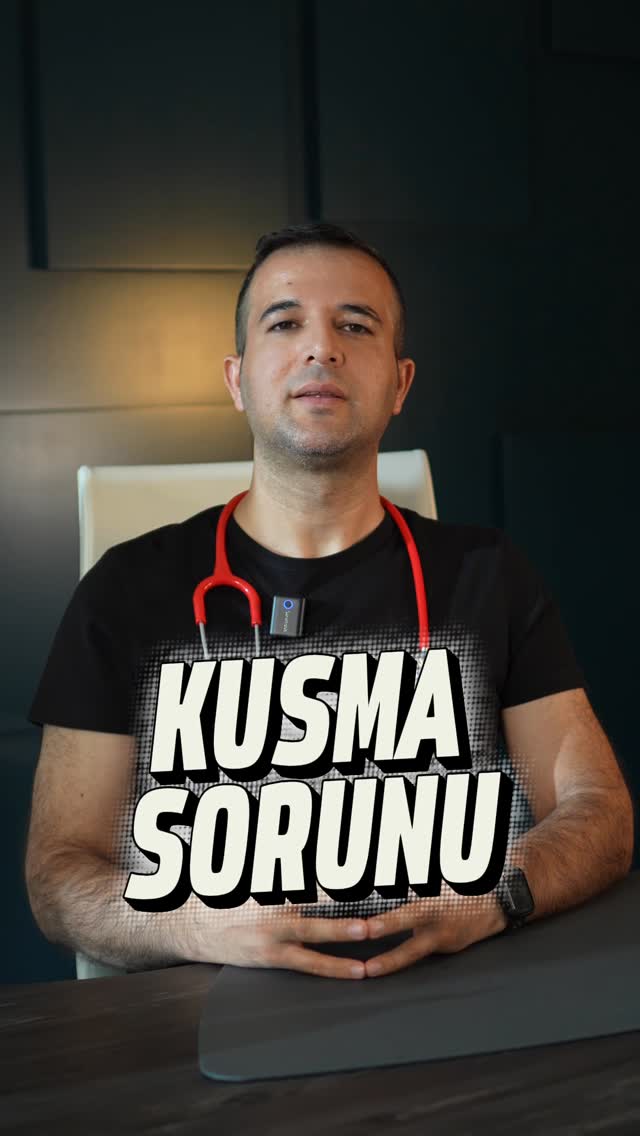
📺 Related Video
When Is Vomiting in Children Serious?
Instagram video by Specialist Dr. Hasan Keleş. Click to play.
Watch on Instagram →Frequently Asked Questions
In children, anti-emetics are used only on a doctor's decision; they can mask the underlying cause and may have side effects.
Yes; breast milk is both a source of nutrition and fluid, so short and frequent breastfeeding is continued.
📅 Book an appointment for your child's health
Book an online appointment with Specialist Dr. Hasan Keleş in Gaziantep — instant confirmation.
Book an Appointment Online